
Search results
Found 19 results matching “holocaust” in Primary
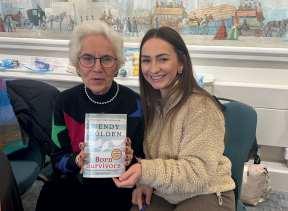
This article describes a CPD experience in Holocaust education with the Holocaust Educational Trust. It reflects the teacher’s own learning experience, considering the value of CPD, especially when considering how to approach teaching challenging historical events...
P
Primary Resource
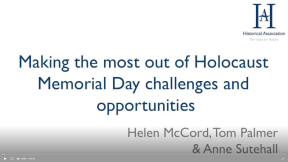
Since 2001 the UK has marked Holocaust Memorial Day on 27th January, the date of the 'liberation' of Auschwitz Birkenau by Soviet soldiers in 1945. History teachers and their colleagues are often asked to 'mark' HMD in their schools. In this webinar we will explore themes of commemoration and education...
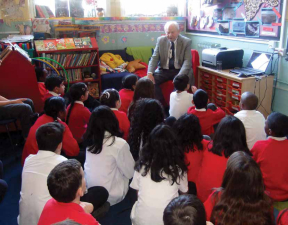
The Holocaust – the murder of approximately six million Jewish men, women and children by Nazi Germany and its collaborators during the Second World War – is possibly the most difficult event that any history teacher will ever have to teach. Most obviously, it can be deeply upsetting, for educators...
P
Primary Resource
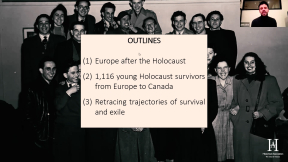
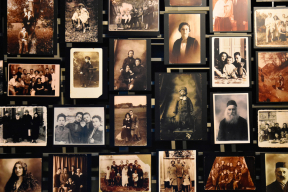
To choose to act, to have no choice to be who you are, to live an ordinary life in extraordinary times? These are all questions that the Holocaust raises. Millions of people became victims of the Nazis, millions more choose not to act to stop the events around them, felt...
M
Member Resource

This year's Holocaust Memorial Day the theme is 'One Day'. In this webinar with historian Paula Kitching, we will use the one day Wannsee Conference of January 1942 to help explore the actions of the perpetrators, the Holocaust victims and how decision making by people can lead to genocide. This...
M
Member Resource
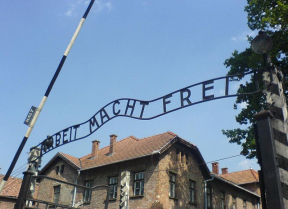
Editorial note: While this is a valuable paper, we must point out that the normal ethical procedures concerning such a sensitive, emotional subject must be followed in relation to pupils, their parents/carers and the wider community, i.e. the protocols for permission and clearance to teach such topics must be followed....
P
Primary Resource

Teaching the Holocaust at primary level can be incredibly rewarding and result in pupils broadening their historical understanding as well as encouraging them to consider other issues. The importance of challenging prejudice, ignorance and racism, the importance of not being a bystander and valuing life are just a few of...
P
Primary Resource
The TEACH report outlines the sort of good practice in teaching sensitive topics which is available for teachers to share, not least through the Historical Association's programme of subject-specific training. The Historical Association is disturbed to learn that false and misleading claims about the teaching of the Holocaust are being...

"Instead of a curriculum where race, gender and disability are mainly rooted in victim narratives, include positive representation. Go beyond teaching slavery and the Holocaust or gender narratives of victimhood…Actively use examples and narratives countering this dominance." Bennie Kara, (2021, p.59) The 2014 National Curriculum for history sets out that...
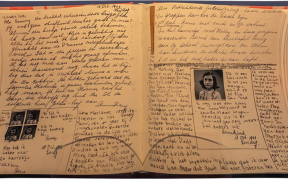
All too often Anne Frank becomes a symbol, used to show ‘the triumph of hope over evil’, even though she was killed during the Holocaust. Sometimes she is quoted utterly out of context to provide uplifting sentiments, or short phrases with redemptive messages. What this lesson sets out to do...
P
Primary Resource
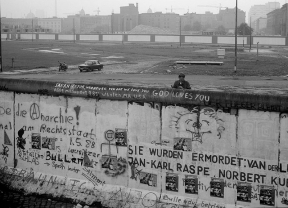
I remember being struck by the quote from Primo Levi when leaving Anne Frank’s house in Amsterdam. He stated that ‘One single Anne Frank moves us more than the countless others who suffered just as she did but whose faces have remained in the shadows’. While not trying to make...
P
Primary Resource
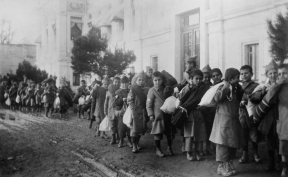
Why is the term 'Armenian Genocide' controversial, with many countries still not acknowledging a genocide at all? What do we know about the event of 1915 and the plight of the Armenian community in Turkey? How can we grapple with a history that many people want to forget? In this...
M
Member Resource
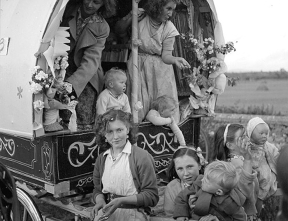
Gypsy, Roma and Traveller people are the largest minority ethnic group in some communities (and therefore in some schools) in the UK. Yet the past of Gypsy, Roma, Traveller people may rarely be part of history lessons. The result is that pupils of Gypsy, Roma and Traveller heritage may not...
There has been much emphasis on ensuring that we teach a balanced history curriculum which reflects diversity. Teachers often ask the Historical Association where they can get their ideas and find examples of good practice. From the start, the journal Primary History has addressed the many strands of a diverse...
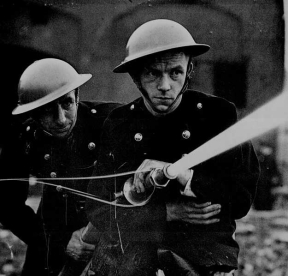
This resource is free to everyone. For access to hundreds of other high-quality resources by primary history experts along with free or discounted CPD and membership of a thriving community of teachers and subject leaders, join the Historical Association today Overview Post-1930s Britain has been transformed by a technological revolution...
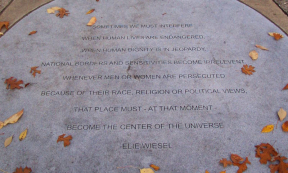
9 December 2023 was the 75th anniversary of the passing of the United Nations Convention on the Prevention and Punishment of the Crime of Genocide (known as the UN Convention on Genocide). The convention was a clear statement by the international community that crimes of that nature should never happen...
S
Secondary Resource
H
Historian Resource

Controversial History formed the focus of the Historical Association’s report, Teaching Emotive and Controversial History 3-19 (TEACH). Published in 2007, it offered teachers invaluable guidance for teaching historical topics that can stir emotion and controversy. However, the authors noted how the nature of the sensitivity can be affected by ‘time,...
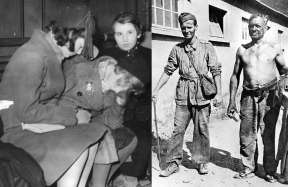
Editorial Note: The impact of war on children's lives and witness testimony is a powerful way to motivate history learning through engaging children with the recent past. The process of developing this unit provides a wonderful example of reflective curriculum development, and a teaching and learning journey. When I first...
P
Primary Resource