
Secondary
Sharon Aninakwa
 Key Stages covered: Key Stages 2–5
- Areas of specialism: Curriculum design, diverse histories, developing department cultures, teaching A-level
- Available to deliver: Training and consultancy, in-person and online
- Availability for 2026–27: Limited
-
Biography:Sharon is passionate about teaching history, cultivating collaborative department cultures and curriculum design. She has thirteen years of school history teaching experience across KS3-5. She has also led primary history teaching colleagues in developing historical enquiries. Sharon has led a successful history department and collaboratively designed an innovative diverse curriculum. She is particularly interested in curriculum cultures which are constructed around ethical considerations, and empowering pedagogies which centre student experience in the classroom. Sharon has an MA in History Education from the UCL Institute of Education.
Will Bailey-Watson
 Key Stages covered: Key Stages 3–5
- Areas of specialism: Any of disciplinary concept (e.g. causation) or historical process (e.g. using material culture), anything on particular substantive concepts, and anything involving teachers being ambitious and setting their pupils more ambitious aims.
- Available to deliver: Training and consultancy, in-person and online
- Availability for 2026–27: Good
-
Biography:Will trained as a History teacher in 2009 and became a Head of History in 2012. Since 2015, Will has been involved in History Initial Teacher Education in various capacities at the University of Reading. Will has worked with, demonstrated a commitment to the values of, the Historical Association in many ways: sitting on the Reading Branch committee, writing multiple articles for Teaching History, presenting at several HA Conferences, and both partaking in and leading HA Teacher Fellowships. Over the past decade, Will has made it a mission to empower history teachers to fulfill ambitious curricular objectives. Examples of this can be seen in the history teacher website that Will set up five years ago called ‘meanwhile, elsewhere…’ and continues to edit, and in the Curricularium - a series of talks about history teaching that Will organised during the first lockdown.
Martyn Bajkowski
 Key Stages covered: Key Stages 3–4
- Areas of specialism: Curriculum and Assessment KS3 and 4. Departmental Reviews and support with CPD plans. Intervention and ideas to boost KS4 attainment. Practical uses of cognitive science to support knowing and remembering more.
- Available to deliver: Consultancy, online and in-person in the Wigan area
- Availability for 2026–27: Limited
-
Biography:Martyn is an experienced Head of Department and SLE with a recent history of delivering in-house and remote CPD. He has enjoyed successful deployments at both primary and secondary schools developing the leadership of curriculum, assessment and pedagogy. In primary this has focussed on whole school assessment systems whereas in secondary in has been supporting at both a departmental and individual teacher level. He is a regular presenter of CPD at national events and to regional school improvement teams and MATs. He facilitates on the NPQLTD, ECF and is a subject lead for a leading ITT provider.
Dale Banham
 Key Stages covered: Key Stages 3–5
- Areas of specialism: Raising attainment at GCSE, curriculum development at KS3, engagement and creativity at KS3, assessment for learning (including effective marking and feedback strategies), developing effective revision habits and memory skills
- Available to deliver: Training and consultancy, in-person and online
- Availability for 2026–27: Good
-
Biography:Dale is a Senior Leader and history teacher at a large comprehensive school in Ipswich. In this role he is responsible for curriculum development, teaching and learning and CPD. He also works for local ITT providers, delivering history specific training for trainee teachers and ECTs. Dale is an Honorary Fellow of the HA and SHP and has delivered training on curriculum development and raising attainment in history for many schools and local education authorities. Dale has written a number of articles for Teaching History and published several KS3 and GCSE History textbooks for Hodder Education.
Carmel Bones
 Key Stages covered: Key Stages 3–5
- Areas of specialism: GCSE support especially Elizabethan England, Historic Environment, pedagogy in general: engagement, feedback, challenge, learner autonomy, revision strategies
- Available to deliver: Training and consultancy, in-person and online
- Availability for 2026–27: Limited
-
Biography:Carmel is an Honorary Fellow of the Historical Association. She collaborates extensively in schools across the UK and Europe focusing on all aspects of learning and teaching. She leads keynotes and bespoke sessions for departments and schools. Carmel has co-authored two books on revision for GCSE History and is a regular conference contributor. She is host of the ‘ReTeach History Podcast’ the website was shortlisted at the ERA Awards 2023. Also Carmel has launched 2 new BBC Bitesize GCSE History series; ‘USA 20th Century’ and ‘Crime and Punishment Through Time’ following the success of BBC Teach ‘Explain This’ and ‘Cluetubers’. In 2020 her innovative historic environment work was listed in the EdTech50, with virtual visits and webinars finalists in the Teach Secondary Awards Best CPD Category 2022. Her work with Clickview and Hodder was nominated for the Bett Awards 2020 and Teach Secondary Awards 2020, and in December 2021 her curriculum design work was published in Teaching History.
Geraint Brown
 Key Stages covered: Key Stages 2–4
- Areas of specialism: Curriculum design; assessment at KS3, GCSE history (access for all), extra-curricular opportunities, using scholarship in the classroom, cognitive science in the history classroom, primary-secondary transition
- Available to deliver: Training and consultancy, in-person and online
- Availability for 2026–27: Excellent
-
Biography:Geraint Brown is an education consultant with more than 25 years of experience as a history teacher, which included ten years as an Advanced Skills Teacher in Cambridgeshire and being Head of History at Cottenham Village College. He is an honorary fellow of the Historical Association, where he has served on the secondary committee, contributed articles for their curriculum journal, Teaching History and delivered workshops at national conferences. Geraint also has more than 10 years experience as a senior leader, leading on whole-school development of the curriculum, assessment teaching and teacher development in particular. More recently, he has been headteacher at two different secondary schools and was Director of Teaching for a large multi-academy trust. Currently, Geraint is also working closely with primary schools to support curricular development for history.
Simon Butler
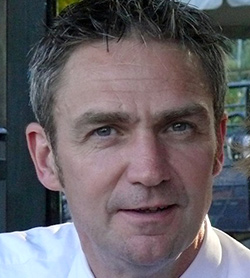 Key Stages covered: Key Stages 3–5
- Areas of specialism: Supporting SEND pupils to access the history curriculum; Enhancing historical learning using drama techniques, music and song, film and documentaries; Interrogating statues to explore historical significance
- Available to deliver: Training and consultancy, in-person only
- Availability for 2026–27: Good
-
Biography:
Christine Counsell
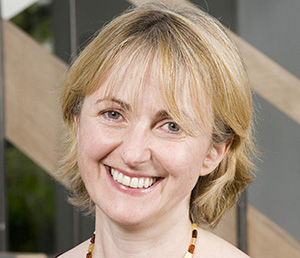 Key Stages covered: Key Stages 1–3
- Available to deliver: Training and consultancy, online and in-person
- Availability for 2026–27: Limited
-
Biography:Christine Counsell taught in state schools before holding successive roles as local authority adviser for primary and secondary history in Gloucestershire, senior leader in a Bristol secondary, leader of the history PGCE for the University of Cambridge for 19 years, and then Director of Education for a MAT serving deprived areas in East Anglia. Christine has worked nationally and internationally advising and training policy makers, inspectors, scholars, leaders and teachers, and specialising in the teaching of history in post-conflict zones (Cyprus and Lebanon). Christine served on the DfE workload challenge group (2016) and the Ofsted Curriculum Advisory Group (2017-19) for the current Education Inspection Framework. Editor of journal Teaching History, Christine has also published widely, both academic and classroom resources. In 2017, Christine was awarded an honorary doctorate by Anglia Ruskin University for service to history education. In 2021, she founded a company supporting primary humanities. Christine serves on the board of the David Ross Education Trust.
Ed Durbin
 Key Stages covered: Key Stages 3– 4
- Areas of specialism: Teaching rigorous history whilst boosting outcomes at Key Stage 4, teaching the British Empire and its legacies, approaches to teaching students about race in history, making history curriculums more diverse and representative, planning and structuring the Key Stage 3 history curriculum
- Available to deliver: Training and consultancy, online and in-person in the Bristol area only
- Availability for 2026–27: Good
-
Biography:Ed Durbin is an experienced History teacher and subject leader. After completing his PGCE at UCL, he has worked in schools in London and Bristol for ten years. His interests include teaching rigourous and representative history at GCSE, approaches to teaching race and empire, and understanding the Viking world. He was co-written and edited textbooks including Bristol and Transatlantic Slavery and A New Focus on... the British Empire. In addition, he has presented at national and regional conferences on various topics, including approaches to source work at KS3 and teaching the Viking world at KS4. He has contributed to the HA's Teaching History journal and works as a mentor for the HA's History Teacher Development Programme.
Alex Fairlamb
 Key Stages covered: Key Stages 2–5
- Areas of specialism: Diversity within the curriculum, literacy in history, curriculum design, women’s history, assessment in history
- Available to deliver: Training and consultancy, in-person and online
- Availability for 2026–27: Excellent
-
Biography:Alex Fairlamb is a Senior Leader in charge of Teaching and Learning and CPD, based in the North East. She is an SLE and an ELE. Alex is a proud member of the Historical Association Secondary Committee and the Schools North East Steering Board. Alex is a History teacher and former Lead Practitioner of History and Teaching and Learning, with a strong commitment to ensuring that curriculums are diverse. Alex tweets as @lamb_heart_tea
Rachel Foster
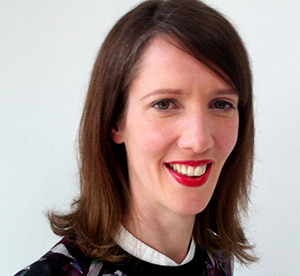 Key Stages covered: Key Stages 2–5
- Areas of specialism: Curriculum development, subject specific pedagogy, teacher training
- Available to deliver: Training and consultancy, in-person and online
- Availability for 2026–27: Good
-
Biography:Rachel Foster is a teacher trainer, secondary history teacher, author and consultant. She currently leads the Secondary History PGCE course at the University of Cambridge and previously worked for eight years as a teacher and AST in a state comprehensive school. She has extensive experience in supporting teacher professional development and curriculum planning and development. She has provided consultancy services for schools, multi-academy trusts, exam boards, government bodies, and educational publishers, regularly lead workshops at regional and national subject conferences, and has had her work published in professional journals and academic publications.
Teni Gogo
 Key Stages covered: Key Stages 3–5
- Areas of specialism: West African Kingdoms, Transatlantic Slavery, Black British History, British Empire, South Africa, Migration to Britain, 'Decolonising' the curriculum
- Available to deliver: Training and consultancy, in-person and online
- Availability for 2026–27: Limited
-
Biography:Teni Gogo trained as a history teacher at the University of Cambridge and has spent much of her career exploring medieval African Kingdoms and Black British History. She has written for Teaching History, HarperCollins, Oxford University Press and the BBC, as well as delivering workshops for students and CPD for both early career and experienced history teachers. She is currently a postgraduate student at the University of Oxford as an Action Research Fellow for the Empire, Migration and Belonging project.
Kath Goudie
 Key Stages covered: Key Stages 3–4
- Areas of specialism: Curriculum development, support for senior leaders with the curriculum and its classroom delivery, mentor training
- Available to deliver: Training and consultancy, in-person and online
- Availability for 2026–27: Limited
-
Biography:Kath has been teaching history for over 20 years as a history teacher, mentor, Head of History and PGCE tutor and continues to do so as part of a Senior Leadership Team in a comprehensive school. She trained teachers on the University of Cambridge History PGCE between 2005-2017 and has extensive experience in supporting history trainees and their mentors to develop their curricular and classroom thinking and practice. She has experience of publishing for SHP through Hodder at KS3 and 4 and contributed to the most recent GCSE specifications with SHP for OCR. As Vice Principal for Quality of Education she has extensive experience of supporting non-specialist senior leaders and subject leaders to develop their own curriculum and be able to articulate that curriculum to others. She continues to take an active role in the history teaching community through contributions to the HA Conferences and as a member of the Secondary Committee.
Simon Harrison
 Key Stages covered: 3 & 4
- Areas of specialism: History curriculum development and implementation, leadership development and coaching, independent complaints reviews and investigations
- Available to deliver: Training and consultancy, online and in-person
- Availability for 2026–27: Good
-
Biography:Simon is an inspirational and experienced Headteacher and history teacher who has led in both MAT and LA schools, with a highly successful record of developing leaders, building exceptional inclusive cultures and curricula through values led leadership. He is a long standing member and former chair of the HA Secondary Committee, holds NPQH and is proud to be an Honorary Fellow of the HA. He is currently working towards a CMI Level 7 Certificate in Leadership Coaching and Mentoring, having launched Harrison Consultancy in September 2026.
Daniel Hartley
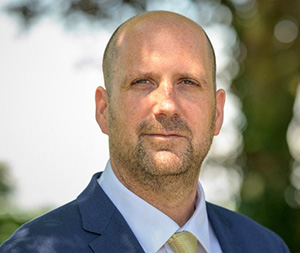 Key Stages covered: EYFS; Key Stages 1–4
- Areas of specialism: Primary curriculum design and monitoring, Mentoring and Coaching teachers and leaders, SEND
- Able to deliver: Training and consultancy, in-person and online
- Availability for 2026–27: Good
-
Biography:Daniel has been in education for over 14 years, with over 7 years as a senior/executive leader, including experience of key stages 1-5. Daniel now works with schools and leaders on embedding formative assessment, coaching teachers and leaders, curriculum design and SEND. He has an extensive range of experience within primary history, and has worked across schools and learning partnerships developing good practice. Daniel has also been a Quality Mark assessor for the Historical Association for the past 9 years. Daniel has published articles on teaching and learning in history and a GCSE revision guide.
David Hibbert
 Key Stages covered: Key Stages 3–5
- Available to deliver: Training and consultancy, online and in-person in the Oxford area
- Availability for 2026–27: Limited
-
Biography:David has 6 years of experience leading History departments in schools and was a co-creator of the HA Subject Leader Development Programme. David has also written for Teaching History, is a textbook author, co-authored a chapter of Huh by Mary Myatt and Jon Tomsett and is involved in other writing projects. David has also led workshops at multiple HA and SHP conferences on a range of subjects.
Michael Hill
 Key Stages covered: Key Stages 3–5
- Areas of specialism: Stories and storytelling, 'worldbuilding' and immersion, the use of images in history teaching, questioning and participation in history teaching, reading and teaching vocabulary in the history classroom (especially reading extended texts).
- Available to deliver: Training and consultancy, online and in-person
- Availability for 2026–27: Limited
-
Biography:Mike Hill is Head of History at an academy in Acton, West London. He graduated with an MA in History Education from the UCL Institute of Education and regularly provides CPD for history teachers, both virtually and in person. Mike has written for the HA's professional journal, Teaching History, and established the HA's History Teacher Development Programme, a structured CPD course for classroom teachers. Mike is a textbook author for the upcoming series, Changing Histories.
Claire Holliss
 Key Stages covered: Key Stages 3–5
- Areas of specialism: Representation in the history curriculum, representation of women's history, representation of LGBTQ+ history, curriculum planning and navigating the requirements of exam specifications, teaching the British Empire at KS5, the use of substantive concepts at A-level, the use of individual stories and the construction of wider frameworks at A-level
- Available to deliver: Training and consultancy, in-person and online
- Availability for 2026–27: Limited
-
Biography:Claire Hollis is currently Head of History at Reigate College, a state sixth-form in Surrey. She has a particular interest in representation in the curriculum and has discussed this topic at the HA, WLFS and Practical Histories conferences, as well as writing about the subject for Teaching History. Claire has focused particularly on the representation of women’s and LGBTQ+ history, helping to design resources for the centenary of the partial enfranchisement of women in 2018, delivering training to teachers in collaboration with Hodder, via PGCE programmes and at the HA and SHP conferences. She has recently been part of the writing team for a textbook on British social history and is researching the teaching of LGBTQ+ history for a PhD at UCL. Recently, she has also delivered training on teaching the British Empire at KS5 with Hodder and is interested in curriculum planning within A-level courses more generally.
David Ingledew
 Key Stages covered: Key Stages 3–5
- Areas of specialism: Educational talk/dialogue/oracy/dialogic teaching, collaborative learning/group work, use of questioning, enquiry questions, transition from school to university history; Topics: British modern and contemporary political, economic and social history 1900–present, American history 1850–present, Medicine through time (including mental health), popular protest and dissent through time, popular music and history
- Available to deliver: Training and consultancy, in-person and online
- Availability for 2026–27: Good
-
Biography:David Ingledew is Secondary Course Director for Astra SCITT (Buckinghamshire) and history educator. Until January 2024 he was Principal Lecturer in Education at the University of Hertfordshire, and Lead for Secondary Initial Teacher Education (ITE). Before moving to the University of Hertfordshire in 2017 he trained and taught history in 11-19 state secondary schools in Oxfordshire and Berkshire, for 14 years and was a Head of History and Head of Faculty. He is undertaking doctoral research on the use and rationale for educational talk/dialogue by secondary history teachers. In the past he has specialised in modern British and US history, medicine through time, and completed a HA Teacher Fellowship on the People of 1381. His other areas of interests in history learning and teaching include developing enquiry questions, the use of questioning in history, group work/collaborative learning, supporting transitions between school history and higher education, and the use of popular music in history lessons and enquiries, popular protest and dissent through time, and mental health in education.
Rachel Lewin
 Key Stages covered: Key Stages 2–4
- Areas of specialism: History and literacy, interdisciplinary enquiry, curriculum design including through school curriculum thinking, teaching migration to Britain, developing independent learners, IT in the history classroom, local history enquiries, partnership working with museums and community organisations
- Available to deliver: Training and consultancy, in-person and online
- Availability for 2026–27: Limited
-
Biography:Rachel Lewin is a school leader with experience as Head of Department for both History and English. She is Subject Champion for History across her Trust and is an external examiner for the PGCE in History and the MSc in Learning and Teaching at Oxford University. Rachel's recent contributions to professional development in history education include chapters on teaching migration and interdisciplinary curriculum design, a five webinar series for the HA website on 'Developing confident readers and writers in the history classroom and beyond', round table education podcasts with 'Virtually Teachers', and co-founding the Historical Association South West Network, a professional community sharing inspiring pedagogy and practice across South West England.
Paula Lobo
 Key Stages covered: Key Stages 3–5
- Areas of specialism: History and literacy, diversifying the history curriculum, crafting rigorous enquiries, curricular planning in the short and long term
- Available to deliver: Training and consultancy, online and in-person in the Bristol area
- Availability for 2026–27: Limited
-
Biography:Paula Lobo (née Worth) has taught history in state and independent schools for over a decade. She is an Associate Lecturer on the History PGCE course at the University of Bristol and an Honorary Fellow of the Historical Association. She has supervised Masters’ students at the University of Cambridge and has been an associate editor for the journal Teaching History for over ten years. She has written several articles for Teaching History and is an author for a series of textbooks at Key Stage 3. Paula has also contributed chapters in MasterClass in History Education (2016) and a forthcoming History Handbook. Paula continues to work as a history teacher, and has set up a number of school-wide committees, including Diversifying Curricula and her school’s Journal Club.
Steve Mastin
 Key Stages covered: Key Stages 1–4
- Areas of specialism: Curriculum design at primary and secondary, primary history subject knowledge and disciplinary knowledge development, diversifying the history curriculum by weaving in the history of minorities and world history, subject leadership in primary history, assessment in primary history, reviewing secondary history departments including the scope and rigour of KS3 curriculum design, and various exam syllabi in both GCSE history and ancient history.
- Available to deliver: Training and consultancy, in-person and online
- Availability for 2026–27: Good
-
Biography:Steve taught for 20 years in state schools across England, then as a senior curriculum leader across primary and secondary schools in a multi-academy trust. Steve is now a director of a knowledge-rich humanities programme for teaching history, geography and religion in Years 1 to 6, providing curriculum resources together with professional development for primary school teachers. Steve has helped train teachers for the University of Cambridge and worked with international Ministries of Education across the Pacific, Asia and Africa. Steve has been an examiner with a leading UK exam board for both ancient and modern history. He also works closely with Classics for All to encourage more state schools to teach the history and languages of the ancient world.
Helen McCord
 Key Stages covered: Key Stages 3–5
- Areas of specialism: Curriculum development, teacher training, mentoring, coaching, bringing scholarship into the classroom
- Available to deliver: Training and consultancy, online and in-person
- Availability for 2026–27: Good
-
Biography:Helen has worked in education for over 20 years. In the classroom for 16 years as a teacher of history she also led the history, PSHE / Citizenship and Politics departments, designing engaging and challenging curriculums that secured the best outcomes for students. With extensive experience in mentoring and training PGCEs and ECTs, as a subject lead for a local SCITT and most recently with the History PGCE team at the UCL Institute of Education, Helen is a strong advocate of quality teaching and the impact that effective CPD can have upon teacher confidence and expertise. As a co-author of the fully funded KS3 textbook, ‘Understanding the Holocaust: How and why did it happen?’ she is committed to exploring opportunities to bring the latest subject expertise, scholarship, and teaching resources into the classroom and to ensuring that these are available and accessible to students.
Abdul Mohamud
 Key Stages covered: Key Stages 3–5
- Areas of specialism: Race, diversity and the British Empire
- Available to deliver: Training and consultancy, in-person and online
- Availability for 2026–27: Good
-
Biography:Abdul Mohamud is currently a doctoral student on the Empire, Migration and Belonging project. Prior to this he was a classroom history teacher and later a Head of Department for thirteen years. Abdul has an interest in a wide range of historical periods and issues but is passionate about the history of migration to Britain, the history of the Black diaspora as well as the role of history in shaping personal identity and belonging. He has conducted educational research in South Africa and the UK, contributing to scholarly volumes. Abdul co-founded Justice to History, authored textbooks, and has worked on a range of projects addressing inclusive histories including jointly planning and leading the 2019 Teacher Fellowship on Britain and transatlantic slavery. Abdul joined the Historical Association’s Secondary Committee in 2015 and is also a Fellow of the Historical Association.
Catherine Priggs
 Key Stages covered: Key Stages 3–5
- Areas of specialism: Curriculum design and development; GCSE history - assessment and curriculum planning; using scholarship in the classroom; support for subject leaders; support for senior leaders / line managers of history departments
- Available to deliver: Training and consultancy, in-person and online
- Availability for 2025–26: Excellent
-
Biography:Catherine Priggs has been involved in history education for 15 years. During this time she has led and supported history departments within and outside her school setting as an SLE. She led history SCITT in Bedfordshire, and has worked with various other ITT providers. Since 2014, Catherine has worked as an Assistant Headteacher in two contrasting schools. In her current school, she leads on Teaching and Learning, ITT, and is CPD Lead for Astra Teaching School Hub. Catherine enjoys being part of the history subject community. She is a member of the Historical Association’s Secondary Committee, has contributed to the journal Teaching History, and authors history textbooks, handbooks and online resources. She regularly presents at conferences and delivers CPD for the Historical Association and Hodder Education, and is a GCSE Examiner and Author.
Emmy Quinn
 Key Stages covered: Key Stage 2; Key Stage 3; Key Stage 5
- Areas of specialism: Teaching of global history (including Mughals, India, Aztecs, African Kingdoms) at Key Stage 2 and 3, including Irish History in the English National Curriculum, planning engaging enquiries at Key Stage 2 and 3, taking a chronological approach at Key Stage 2.
- Available to deliver: Training, online and in-person
- Availability for 2026–27: Good
-
Biography:Emmy Quinn has 14 years’ experience teaching history from Key Stage 2 to Key Stage 5. She currently leads Key Stage 2 and Key Stage 3 History at a middle school in Northumberland. She has experience supporting other teachers with Key Stage 2 and 3 curriculum planning, planning engaging enquiries at Key Stage 2 and 3, using artefacts across the curriculum, incorporating local history, taking a more global approach to the History curriculum, training for deep dives and curriculum discussions, the teaching of Empire and the inclusion of Irish History at Key Stage 3. She has also supported teachers with teaching African American civil rights at A-level, especially for NEA. Emmy has contributed to textbooks on the British Empire and What is history teaching now?
Hugh Richards
 Key Stages covered: Key Stages 3–5
- Areas of specialism: Subject leadership and line management, curriculum design and reviews, history pedagogy, including the application of cognitive psychology in history
- Available to deliver: Training and consultancy, in-person and online
- Availability for 2026–27: Excellent
-
Biography:Hugh is an experienced Head of History based at an 11-18 comprehensive school in York. He has taught for 12 years, 8 of them as Head of Department. He leads the Subject Leader Development Programme for the Historical Association and is a member of their Secondary Committee. He has regularly spoken at the HA conference as well as leading in-person and online CPD provision for a range of providers across a range of topics relating to secondary History curriculum, pedagogy and subject leadership. Hugh's school is a Research School and he has worked regularly on applying cognitive science to the history classroom. He has published chapters and case studies in books about evidence-informed pedagogy, and is co-authoring a book for the popular 'In Action' series that focusses on History.
Heather Sherman
 Key Stages covered: Key Stage 5
- Area of specialism: A-level teaching, learning and assessment.
- Available to deliver: Training and consultancy, online and in-person in the York area
- Availability for 2026–27: Excellent
-
Biography:Heather started her career as a history teacher in 2011, specialising in A-level history teaching at York College since August 2015. Before this she taught history in the secondary sector. She has supported history teacher CPD with the HA through designing and leading the ‘Amazing A-level’ webinar series and has delivered workshops on different aspects of teaching A-level history at the HA Annual Conference in 2021, 2022 and 2023. Heather works as an examiner in the A Level summer exam series for Pearson Edexcel. Alongside this, she is the Centre Manager for Initial Teacher Education for the Cert Ed/PGCE in Lifelong Learning and has extensive experience in training in-service and pre-service teachers. Areas of interest and experience she has delivered CPD on previously include decolonising the history curriculum, incorporating meaningful numeracy into history, developing robust source evaluation skills and supporting students with the transition from GCSE to A-level.
Sally Thorne
 Key Stages covered: Key Stage 3; Key Stage
- Areas of specialism: Transatlantic slavery
- Available to deliver: Training and consultancy, in-person and online
- Availability for 2026–27: Good
-
Biography:Sally is a Bristol-based secondary history teacher of over 20 years’ experience with a particular interest in curriculum, and teaching and learning. She has held a leadership responsibility for teaching and learning in her school for a number of years and has a proven track record in leading successful CPD within school settings, at conferences and through whole-day workshops. She has previously planned and led sessions for the HA, SHP, Keynote, Hodder, Pearson and the National College. She has a strong personal commitment to EDI themes in the curriculum and her particular strengths include teaching the topics of Transatlantic Slavery and the British Empire. Her publications include Becoming an Outstanding History Teacher (2018).
Jason Todd
 Key Stages covered: Key Stages 3–5
- Areas of specialism: Inclusion, EDI, interdisciplinary work, Empire and migration
- Available to deliver: Training and consultancy, in-person and online
- Availability for 2026–27: Limited
-
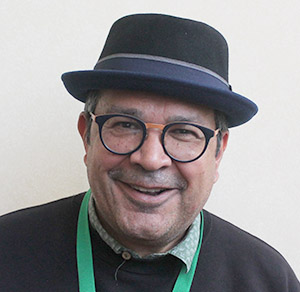
Biography:Dr Jason Todd is a Research Lecturer in Education at the University of Oxford. He currently leads on the PGCE history programme at Oxford. Prior to this he taught history for 19 years in various London state schools including time as an assistant headteacher in Special Needs school. Jason’s doctoral research was an investigation into the impact that private and public forms of social memory have on children’s historical consciousness and historical understanding. Other research interests include developing complex and multi-perspective history that takes account of students’ diverse backgrounds and giving all students access to the history curriculum. He was involved in the TIDE Beacon Teacher Fellowship Programme, a programme of training and professional development supporting the teaching British migration and empire in secondary schools and co-authored the report Teaching Migration, Belonging, and Empire in Secondary Schools based on the project. This led to TRACTION (Teaching Race, Belonging, Empire and Migration) a pioneering online platform which equips teachers to engage with issues of race, belonging, empire, and migration in the classroom. Developed by an interdisciplinary Arts and Humanities team, it is a unique new resource for secondary educators and education across the UK and beyond. He is currently co-lead on a project researching the ways that Empire, migration and belonging are taught in English schools. He is a trustee of the Historical Association and was a member of its secondary committee.
Ben Walsh
 Key Stages covered: Key Stages 3–5
- Areas of specialism: Pupil perceptions of history, disciplinary literacy in history, curriculum design, teaching pupils to engage with original sources and the work of professional historians, encouraging and supporting reluctant writers in history, use of Artificial Intelligence in the history classroom. Content-wise, particular interest in historiography generally, British Empire, International Relations in the 20th century
- Available to deliver: Training and consultancy, in-person and online
- Availability for 2026–27: Limited
-
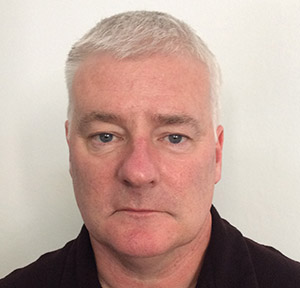
Biography:Ben Walsh has been involved in History education for over 35 years. He has been a teacher, Head of Department, senior examiner, author of textbooks and online resources, national and international speaker and trainer and is now History Lead for a large multi-academy Trust. Ben is Associate Vice President and Fellow of the Historical Association. He has a particular interest in pupil perceptions of history, disciplinary literacy in history, but also curriculum design and teaching pupils to engage with original sources and the work of professional historians.
Robin Whitburn
 Key Stages covered: Key Stages 3–5
- Areas of specialism: Teaching diverse histories, curriculum development, history pedagogy and enquiries
- Available to deliver: Training and consultancy, in-person and online
- Availability for 2026–27: Excellent
-
Biography:Robin Whitburn has been a Lecturer in History Education at the University College London Institute of Education since 2010. He had thirty years’ experience in London high schools in a range of roles, including Deputy Headteacher (Curriculum). Robin is a Fellow of the Historical Association, and has spoken at national and international conferences in North America, China, South Africa and Europe. Robin founded Justice to History with Abdul Mohamud as an organisation in 2013 to help teachers and students explore relevant, and often neglected, diverse histories. In 2019 they led an HA Teacher Fellowship programme on Britain and Transatlantic Slavery, and since 2020 have presented a series of webinars for the HA on diverse histories and decolonising the curriculum. They are authors of a book on Teaching Black History in Secondary Schools and two textbooks on Migration and Empire for GCSE; their forthcoming publication is targeted at Key Stage 3: Black Lives in Britain, 1500 to the present.
Andrew Wrenn
 Key Stages covered: EYFS; Key Stages 1–4
- Areas of specialism: Primary history, subject knowledge development in primary history, curriculum design and medium term planning in primary history, diversifying the history curriculum by weaving in Black British, African and South Asian history, subject leadership in primary history, assesssment of substantive and disciplinary knowledge in primary history, development of past and present in EYFS, preparation for Ofsted deep dives in primary and secondary history, reviewing secondary history departments in line with Ofsted expectations.
- Available to deliver: Training and consultancy, in-person and online
- Availability for 2026–27: Excellent
-
Biography:Andrew Wrenn is a former head of history and cross-phase local authority adviser for History and Humanities. He is a former trustee and committee member of the HA and has written (and still contributes) articles to HA publications including Primary History and Teaching History. Andrew has contributed to the HA national conference for many years and has also offered four keynote presentations at the Schools History Project Conference. His work has been published by the BBC, Pearson, Historic England, Harper-Collins, Longmans and the Oxford and Cambridge University Presses. Andrew has offered CPD at local, national and international level. Andrew has also contributed to initial teacher training at universities in Cambridge, York, Nottingham, Bristol and Sussex and SCITTS in Leicester and Shropshire. Andrew co-edited the HA’s Teaching Emotive and Controversial History 3-19 report and steered the HA’s Key Stage 2-3 Transition Project.