
Filmed Talks
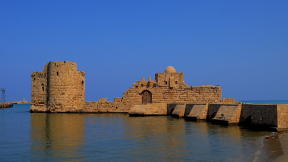
During the twelfth and thirteenth centuries the crusaders constructed tens of castles across the Middle East, some merely small watchtowers, others massive strongholds or fortress cities - but why did the crusaders place so much importance on fortifications? Nicholas Morton explores the development of this remarkable phenomenon asking key questions...
For the last two and a half centuries, the USA has been shaped by a remarkable sense of its own unique place in world history, yet consumed by never-ending battles over what this means. 250 years after the Declaration of Independence was signed, the United States appears to be at...
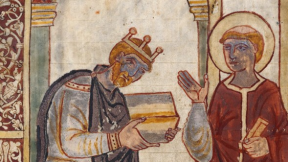
Æthelstan was the early medieval king whose territorial conquests and shrewd statesmanship united the peoples, languages, and cultures that would come to be known as the 'Kingdom of the English.' In this panoramic talk, David Woodman draws on his research and recent book to create a portrait of this immensely...
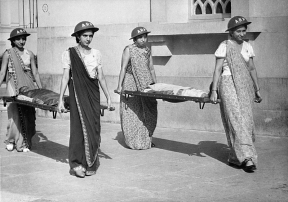
2025 was the 80th anniversary of the end of the Second World War – a conflict that defined the twentieth century and still has an influence on relationships and attitudes today. In this online short course, we welcome academics from institutions across the UK and abroad to contribute to a...
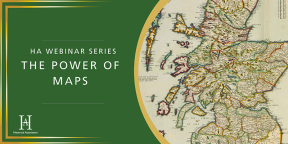
Historians use maps a lot – or at least they should. They help us to understand global relations, environmental and social change and they help to reveal how the world was understood and explored in the past. This webinar series is an opportunity to hear three world class academics explore...
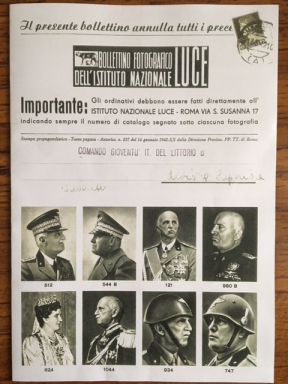
The Italian Fascist leader Benito Mussolini understood more than other leaders of his generation the power of images and used them to great effect in building his personality cult which was central to Italian Fascism. In this illustrated webinar, Professor Giuliana Pieri will explore the evolution of the iconography of...
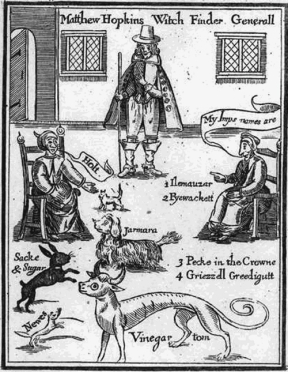
The East Anglian witch hunt under Matthew Hopkins, self-appointed Witchfinder General, has garnered a great deal of popular and historical interest over the years. An image has developed of a zealous, misogynistic young man serving crazed 'justice' against supposed witches, whipping up panic and turning neighbours against each other in...
This self-guided short course provides an introduction to European witchcraft history from the fifteenth century to the present. Using a range of primary sources, the course explores important themes and questions relating to witchcraft history, examining how witchcraft has been imagined and understood at different times and in different places,...
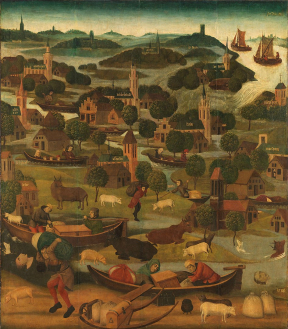
Natural disasters frequently affected medieval populations. This webinar explores some examples of what happened when meteorological hazards struck medieval communities, how they reacted and what steps they took to protect themselves against future risks. Through archaeological and historical sources of evidence, Peter Brown explores the diverse impacts unleashed by disasters...
Join us for a journey through Georgian history, literature and society – all from the comfort of your own home. Celebrating the 250th anniversary of Jane Austen's birth, this rich, interdisciplinary webinar series from the Historical Association delves into the vibrant world of the Georgians through the lens of one...
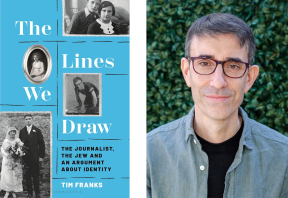
In this Virtual Branch Tim Franks, acclaimed BBC Journalist, talks about his personal history and identity drawing on his new biography The Lines we Draw: The Journalist, The Jew and an argument about identity. We will delve into Tim's experiences as a journalist in some of the world's major conflict...
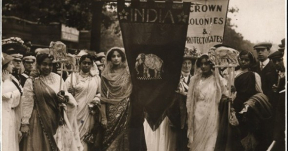
Between 1917 and 1947, women in the Indian subcontinent were engaged in active debates and noteworthy demonstrations for the vote, building up a national suffrage movement. In this talk Professor Sumita Mukherjee discusses the activities of Indian suffragettes in this period, showing how they were connected with British and other...
The Historical Association's Medlicott Medal 2025 was awarded to Dr Christine Counsell. The award seeks to recognise individuals from a diversity of backgrounds in their service to history. Read more about Christine, her work and her award here. As is the custom, Dr Christine Counsell received her award and presented...
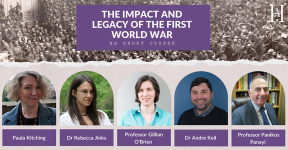
Beyond the mud and blood: The First World War and the social, political and cultural impact and legacy on ordinary people While the first global conflict of the modern world fuelled military and leadership challenges, it also created an environment of social, political and cultural unrest. 2024 was 110 years...
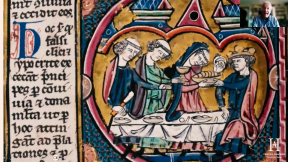
In his recent book The Monastic World, Andrew Jotischky looks at how from the late Roman Empire onwards, monasteries and convents were a common sight throughout Europe. The history of monasticism is defined by the fierce and passionate abandonment of the ordinary comforts of life, the most striking being food...
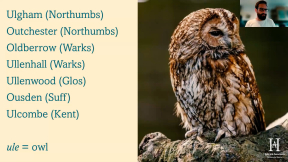
In his recent book The Cuckoo's Lea Michael J Warren provides a exploration of how birds are entwined with British history, particularly in our place names. Join us for an exclusive Q&A with the author to weave together literature, history and ornithology and discover a fascinating heritage that matters deeply...
The Reformations, both Protestant and Catholic, have long been told as stories of men. But women were central to the transformations that took place in Europe and beyond. What was life like for them in this turbulent period? How did their actions and ideas shape Christianity and influence societies around...
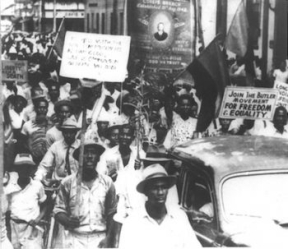
This webinar examines the era of ‘post-emancipation’ in the Caribbean from around the mid-nineteenth to the mid-twentieth centuries. It interrogates the notion of ‘emancipation’ and asks what kind of ‘freedom’ did abolition bring to the formerly enslaved? How did colonial states and other authorities seek to regulate the lives of...
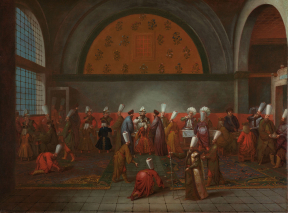
For European states in the early modern era the Ottoman empire represented a huge trading bloc, stretching at its height from Hungary in the west to Iran in the east, from Ukraine in the north to Egypt in the south, and along the southern shores of the Mediterranean to the...
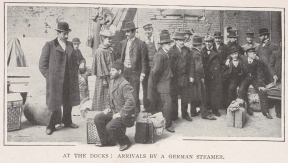
Research on the history of migration continues to flourish and grow, but scholarship is also becoming increasingly splintered, often focusing on particular settings or population groups. Migration is often used as a way to discuss questions of national identity or diverse religious, ethnic, religious and local identities in the UK,...