
Britain & Ireland
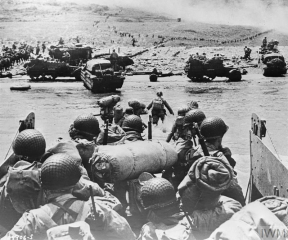
The HA has worked with film-maker, historian and Legasee ambassador Martyn Cox on a series of webinars looking at untold stories from the Second World War. Many of these stories are taken for the oral histories provided in interviews given to Martyn on film. In this filmed webinar, Martyn goes...
In this recorded session from the 2021 HA virtual conference, Dr Becky Taylor of the University of East Anglia uses a selection of documents to explore what the sudden arrival of vulnerable strangers might reveal about the changing nature of modern Britain.
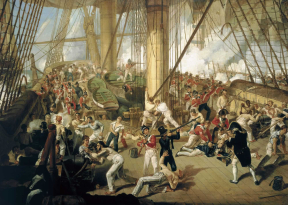
Professor Andrew Lambert outlines the key role of Nelson and the Royal Navy in Napoleon’s defeat, and the development of the navy through the nineteenth century; from technology and infrastructure to naval recruitment and the various reforms which took place during that period.
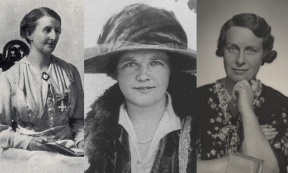
In this podcast Henrietta Heald looks at some of the pioneering British women engineers of the early 20th century and the role they played in fighting for economic freedom. '"Women have won their political independence. Now is the time for them to achieve their economic freedom too." This was the...
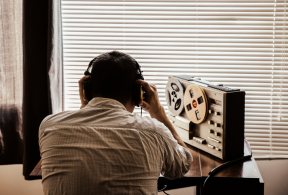
In this podcast Trevor Barnes looks at the development of global intelligence and security services from their early origins to the present day. He examines at the role these services had during the two World Wars, the signficance of espionage in the development of the Cold War and the importance...
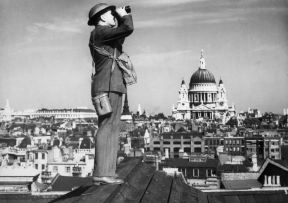
Dr Jo Fox continued our virtual branch lecture series this July on the subject 'Reimagining the Blitz Spirit: the mobilisation of World War II propaganda in our own times'. Fox is the Director of the Institute of Historical Research and a well-known historian specialising in the history of propaganda, rumour...
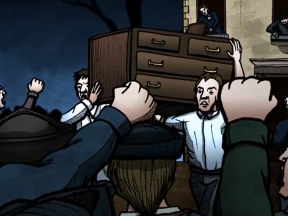
In this series of videos, produced by Royal Holloway, University of London, staff and students explore British responses to the American and French Revolutions. This playlist includes videos looking at the origins of the American Revolution; specific questions like ‘Why didn’t French-Canadians join the revolution?; and actor readings of key...
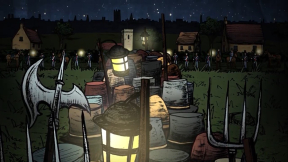
In this series of videos, produced by Royal Holloway, University of London, staff and students explore the history of radicalism in the nineteenth century, including the Spa Fields Riots, the Pentrich Uprising, Luddism, the Swing Riots and the March of the Blanketeers. The playlist also provides an overview of key...
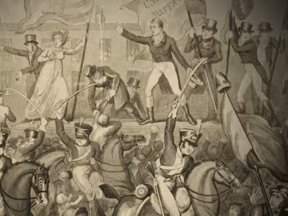
In this series of videos, produced by Royal Holloway, University of London, staff and students explore the Peterloo Massacre, looking at its origins, outcome and longer term historical significance. The playlist also contains 18 dramatised primary sources drawn from The National Archives and the Parliamentary Archives. These are designed to...
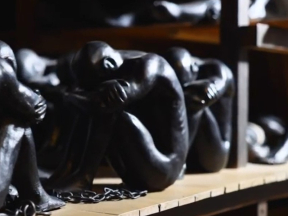
In this series of videos, produced by Royal Holloway, University of London, staff and students examine the campaigns to abolish both the slave trade and slavery itself, including a number of actor readings of pamphlets and speeches that help illustrate key arguments made by abolitionists and defenders of slavery. The...
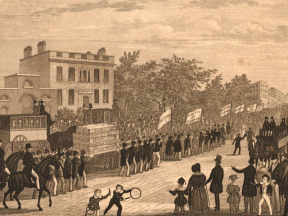
In this series of videos, produced by Royal Holloway, University of London, staff and students examine two of the most important reform movements of the early nineteenth century: Chartism and the Anti-Corn Law League, contrasting their tactics, leadership and success. The playlist also contains a number of readings of Chartist...
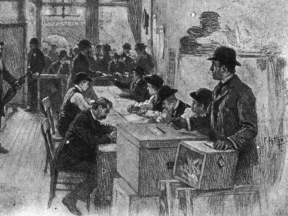
In this series of videos, produced by Royal Holloway, University of London, staff and students examine the campaign and steps taken in the nineteenth century to reform Parliament. This playlist starts by asking what was wrong with Parliament before the Great Reform Act, before going on to look at the...
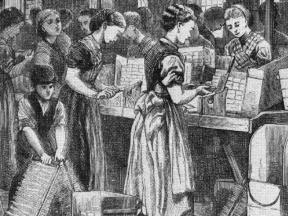
In this series of videos, produced by Royal Holloway, University of London, staff and students explore nineteenth century social reform and its effect in changing, gradually, the role of the state. This includes videos looking at the New Poor Law, Factory and Education Acts and the campaign to repeal the...
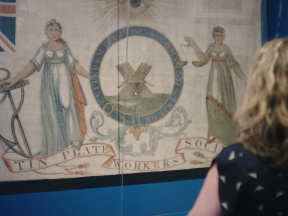
In this series of videos, produced by Royal Holloway, University of London, staff and students look at the development of trade unionism and workers’ rights in the nineteenth and twentieth centuries. The playlist includes videos examining the Tolpuddle Martyrs, New Unionism, the London Dock Strike and the Match Girls’ Strike...
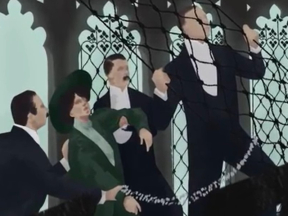
In this series of videos, produced by Royal Holloway, University of London, staff and students examine the campaign for women’s suffrage in the nineteenth and early twentieth centuries. This includes videos looking at why the suffrage campaign started in the 1860s; introductions to the main suffrage organisations, their leaders and...
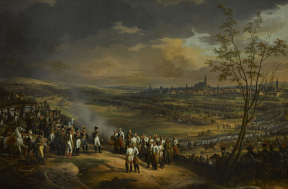
In this podcast Dr Louise Carter critically examines the role of women in Britain during the French Revolution. During these wars, women were typically called on for army cooking, laundry, nursing and spying, and as such were considered part of the war machine. While women in the French wars accounted...
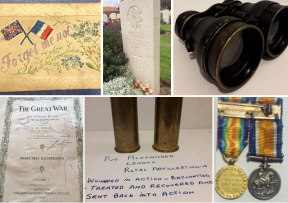
During the recent First World War centenary many HA branches held lectures and talks about a variety of aspects of the war. Some had outings and many looked at their local war memorials or Pals Battalions. The Glasgow and West of Scotland Branch decided that as many of their members...
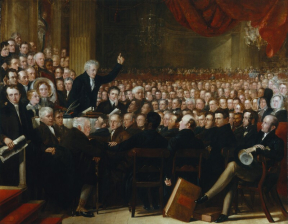
In this podcast Dr Richard Huzzey of the University of Durham examines the history of the British Abolitionist Movement. This podcast was funded by the Age of Revolution education legacy project and recorded with the help of Dominic Gibson, Student Ambassador at the University of Kent.
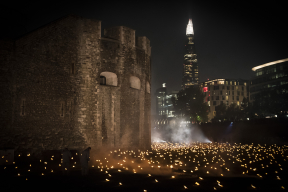
Professor Paul O’Prey has engaged international audiences with the history of First World War poetry. During the recent centenary, he also produced two new anthologies for the Imperial War Museum and published the first collected work of Mary Borden, American philanthropist and humanitarian, nurse, and wartime poet. Sound artist Mira...
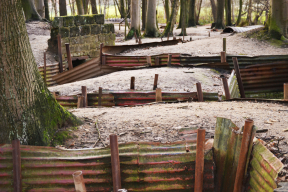
In this podcast Simon Bendry, Programme Director for the UCL Institute of Education’s First World War Centenary Battlefield Tours Programme, discusses the programme and its impact. This podcast was recorded as part of the Teacher Fellowship Programme on Conflict, Art and Remembrance.