
Europe
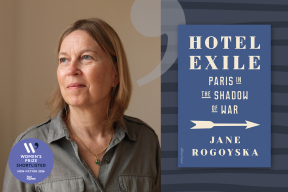
Jane Rogoyska tells the story of the Hôtel Lutetia, the only ‘grand’ hotel on the city’s bohemian Left Bank, serving as a meeting place for artists, musicians and politicians. André Gide took his lunch here, James Joyce lived in one of its rooms, Picasso and Matisse were regular guests. But...
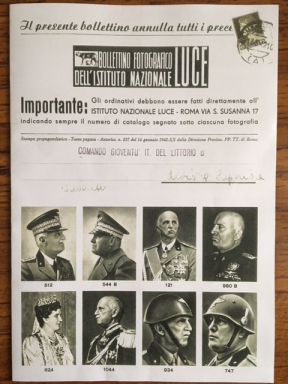
The Italian Fascist leader Benito Mussolini understood more than other leaders of his generation the power of images and used them to great effect in building his personality cult which was central to Italian Fascism. In this illustrated webinar, Professor Giuliana Pieri will explore the evolution of the iconography of...
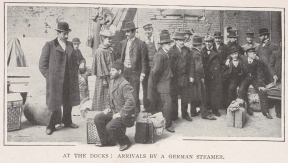
Research on the history of migration continues to flourish and grow, but scholarship is also becoming increasingly splintered, often focusing on particular settings or population groups. Migration is often used as a way to discuss questions of national identity or diverse religious, ethnic, religious and local identities in the UK,...
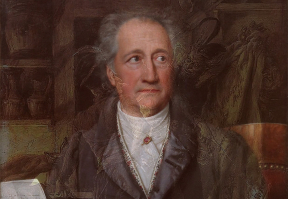
In Goethe: His Faustian life, award-winning biographer, critic and writer A. N. Wilson tells the spellbinding story of the life of Goethe. From his youth as a wild literary prodigy, to his later years as Germany’s most heroic intellectual figure, Wilson hones in on Goethe’s undying obsession with the work...
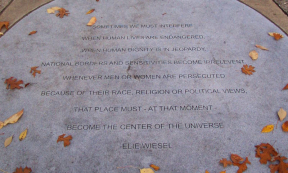
9 December 2023 was the 75th anniversary of the passing of the United Nations Convention on the Prevention and Punishment of the Crime of Genocide (known as the UN Convention on Genocide). The convention was a clear statement by the international community that crimes of that nature should never happen...
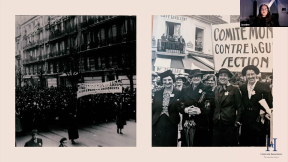
How did a group of women activists with varied ideological backgrounds construct several important campaigns against fascism in the interwar period? How did this Women's World Committee against War and Fascism (Comité Mondial des Femmes contre la Guerre et le Fascisme) undertake effective humanitarian and propaganda work and forge extensive...
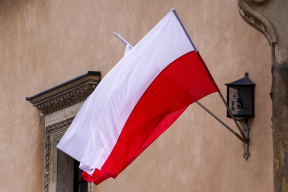
In this podcast Dr Janek Gryta (University of Southampton) discusses the history and development of modern Poland from the emergence of the Second Polish Republic after World War I, Poland's experience during the interwar period, its role during and the consequences of World War II, how the Polish People's Republic...
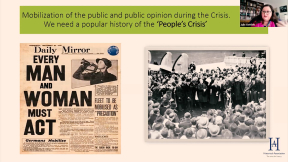
Professor Julie Gottlieb has written extensively on inter-war British political and gender history, and her more recent work has provided alternative perspectives on seemingly settled debates in the historiography of British foreign policy and the history of appeasement. Through the lens of women/gender, social history, and now psychology/emotion, she argues...
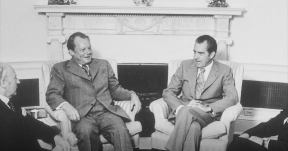
Germany as a divided and defeated nation is explored through the lens of how the two new Germanys rebuilt their States politically and culturally. Professor Anna Saunders reflects on the different inequalities that existed between the two states and how stability was established between political leaders, even when political dissent...
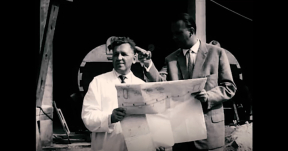
The speed at which both sides in Germany recovered economically is re-examined in this film. Professor Matthew Stibbe describes how the West Germany economy recovered and became a magnet for migrants as well as East Germans. However, he also examines how East Germany’s economy compared more successfully to some of...
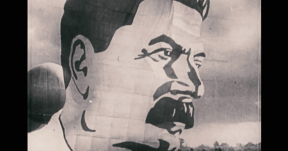
Professor Matthew Stibbe assesses some of the contradictory factors at play in East Germany and how that related to the wider Soviet system. He contrasts this with the development of the capitalist system that was being developed in West Germany.
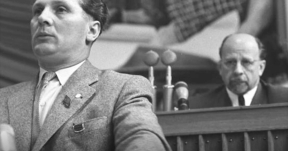
Professor Matthew Stibbe examines the key political leaders of West and East Germany and how their decisions and responses to political events shaped their international relationships and the lives of the divided German population under their control. He also looks at the opposition and resistance these governments faced domestically during...
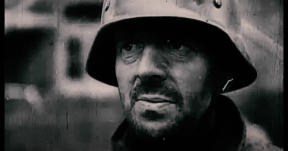
How did a new Germany rebuild itself from the legacy of the Second World War both physically, emotionally and culturally? Professor Stibbe explores the silences of many households and how that influenced the student rebellion of the late 1960s. He also puts into perspective the cultural impact that the war...
To give you a taster of the fantastic sessions on offer at the HA's annual conference, we've published one of the sessions from the 2022 HA Conference on Rome in the world/the world in Rome with Dr Lucy Donkin. In many cultures, earth has been used to represent a place...
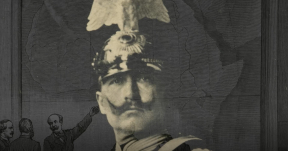
The rise and fall of Germany in the 20th Century is one of the major political arcs of the modern period, and one that many feel familiar with – from the unification of the Germanic states, the defeat of the Kaiser in 1918, revolution, a weak Weimar Republic all the...
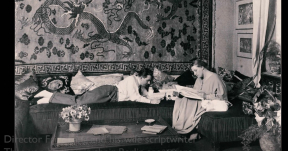
Professor Tim Grady takes us back to the final days of the First World War to examine the developing splits in German society that turned into revolutionary chasms following the country’s defeat. From this he reassesses some of the factors that led to the Weimar Republic’s collapse while also allowing...
Professors Tim Grady and Matthew Stibbe consider changing interpretations of Germany in 1914-1929, from a negative continuum of authoritarianism culminating in Hitler's regime to a modern approach of seeing the Weimar Republic through a sociocultural lens.
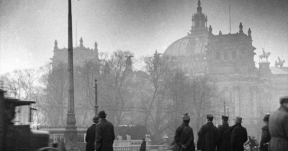
Dr Victoria Taylor provides an overview of the rise to power of Hitler from disillusioned veteran to political operator. She goes on to explore the messaging and state interventions that brought many Germans under Hitler and the Nazis spell as they enacted their ideas of what a powerful Germany should...
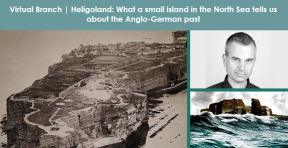
Professor Jan Rüger joined the Virtual Branch on 9th February 2023 to talk about his book Heligoland: Britain, Germany, and the Struggle for the North Sea, tracing a rich history of contact and conflict from the Napoleonic Wars to the Cold War. For generations this North Sea island expressed a...