
Latest
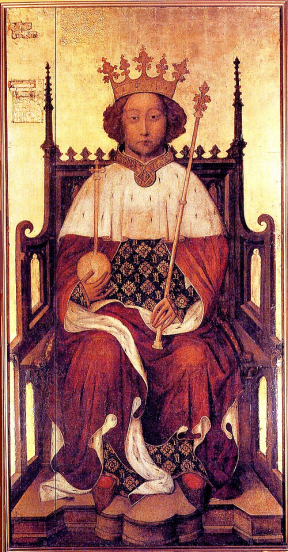
We’re delighted to announce a special addition to the Historical Association Conference 2027 programme: a Friday evening visit to the Royal Shakespeare Company in Stratford-upon-Avon. Conference delegates will have the opportunity to see Elizabeth Debicki take on the title role in Richard II, directed by Daniel Raggett. Exploring power, conspiracy...
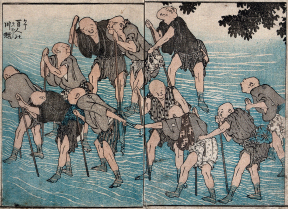
People with disabilities are frequently written out of history, not present or included. Yet we know that disabilities, both visible and non-visible, are natural occurrences across society. The theme for Disability History Month 2026 is 'Disability, Politics and Democracy' which highlights the fact that the history of marginalisation of those...

People and the natural world are continuously evolving, with every generation experiencing changes and challenges. Those challenges can be in many different forms but throughout history one factor that continually challenges generations has been war and conflict. These have led to population changes and stresses, environmental changes and damage, and...
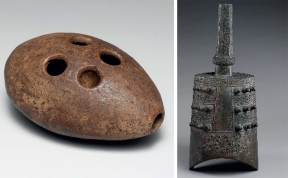
In this article, Susie Townsend considers how to use sound to enhance our teaching in history. She looks at the importance of auditory learning and suggests how we might incorporate a range of sound into our history lessons...
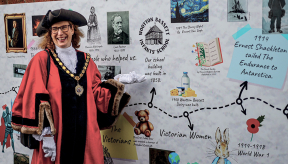
Local history is a fundamental part of the Key Stage 1 National Curriculum, yet creating learning that feels meaningful and accessible for young children can be challenging. This article looks at one school’s approach to bringing local history to life, through outdoor learning and community partnerships. With the installation of...
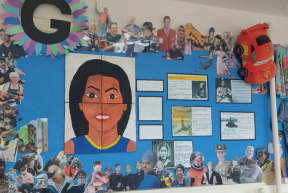
This article explores how displays of historical learning celebrate key understanding, promote engagement and enhance the school environment. The difference is highlighted between what constitutes a display and what is a working wall. The pictured displays demonstrate the school’s commitment to an inclusive and diverse history curriculum...
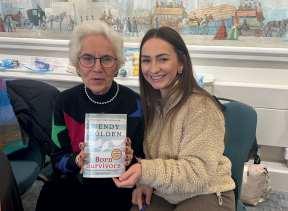
This article describes a CPD experience in Holocaust education with the Holocaust Educational Trust. It reflects the teacher’s own learning experience, considering the value of CPD, especially when considering how to approach teaching challenging historical events...
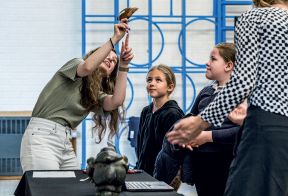
This article describes work undertaken by Tees Valley Museums and the British Museum to explore artefacts with primary children. The project integrated cross-curricular learning to enhance children’s engagement with an unfamiliar period and culture. It describes how classroom museums can be created and how these can benefit school and community...
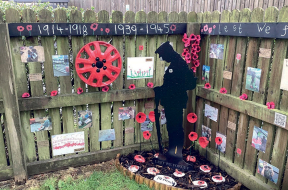
Early Years classrooms are often celebrated for their creativity, playfulness and child-led exploration. Yet they are also powerful spaces for nurturing children’s emerging sense of identity, community and connection to the past. At Ayr Grammar Early Years Centre in South Ayrshire, one practitioner, Joanne, has demonstrated exceptional practice in history...

This article describes how a unit on the Vikings was planned and developed through creative and challenging activites that engaged children’s interest and imagination...

Mae Jemison is a groundbreaking individual who provides a purposeful and diverse addition to the history curriculum. This article outlines the rationale for pairing her with Neil Armstrong through an enquiry-led approach, while offering practical ideas for developing young children’s understanding of disciplinary concepts such as evidence, similarity and historical...
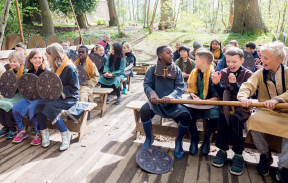
Scott Cairns considers why we might want to bring elements of experiential learning into our own classrooms and how we might go about it. He provides some ideas for how to set up scenarios to provide immersive experiences for the children...

This article explores how historical understanding can be developed with our very youngest children using a theme of families as a starting point. It considers all the age ranges identified within the Early Years Framework. It demonstrate how progression can be developed across those age ranges...
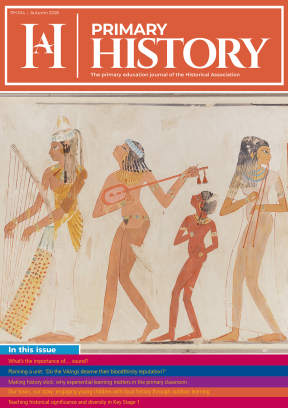
Read Primary History 104 I think the autumn term is one of my favourite periods. It heralds the start of a new school year as we return, refreshed, to the learning journey. It is also the term of festivals and remembrance. We start with the festival of harvest. For many...
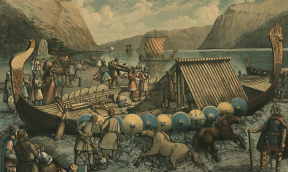
Vikings: raiders, traders, farmers
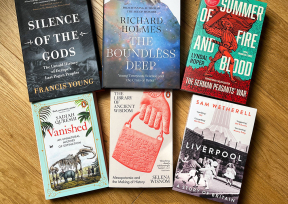
Spanning nearly 3000 years of history, each of these six exceptional books sheds light on how societies are brought together – or driven apart – in the wake of profound change. Celebrating books that combine excellent research with readability, the books shortlisted for the Wolfson History Prize 2026 are: The...
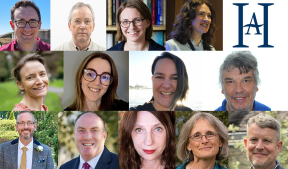
We are delighted to announce the Honorary Fellows for 2026. Each year the Historical Association awards Honorary Fellowships to a small group of people. These awards are to recognise and celebrate outstanding services to history and to the Historical Association. The awards cover services to the Historical Association Branches (of...
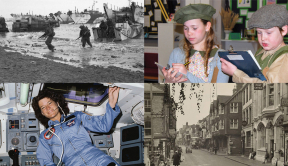
Researching, writing and presenting ideas about a historical theme or period are skills that can support a young person’s educational development and personal wellbeing throughout their formal education journey. The Historical Association (led by the Mid-Trent and Mercia HA Branch) in collaboration with the Spirit of Normandy Trust has organised...

Telling a story about the events, peoples and places of the past is one of the oldest forms of creating an historical legacy. Those stories help to reveal as well as enrich the past, creating a place for investigation as well as fascination. That is why we want to harness...
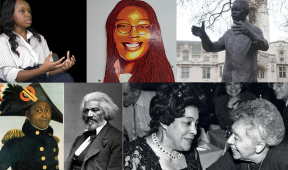
October 2026 marks 39 years since the first Black History Month was celebrated in the UK. In this time, it has evolved from early efforts to highlight the achievements and contributions of Black people throughout history, to become an integral part of the year in both public history and history...