
Past event resources
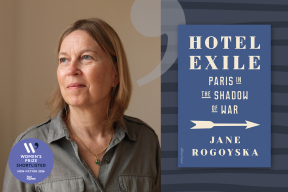
Jane Rogoyska tells the story of the Hôtel Lutetia, the only ‘grand’ hotel on the city’s bohemian Left Bank, serving as a meeting place for artists, musicians and politicians. André Gide took his lunch here, James Joyce lived in one of its rooms, Picasso and Matisse were regular guests. But...
Historians use maps a lot – or at least they should. They help us to understand global relations, environmental and social change and they help to reveal how the world was understood and explored in the past. This webinar series is an opportunity to hear three world class academics explore...
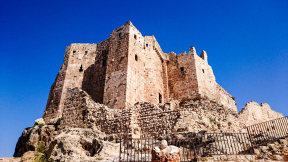
In this talk, Steve Tibble discusses the Assassins and Templars, two of history's most legendary groups. One was a Shi’ite religious sect, the other a Christian military order created to defend the Holy Land. Steve Tibble traces the history of these two groups from their origins to their ultimate destruction...
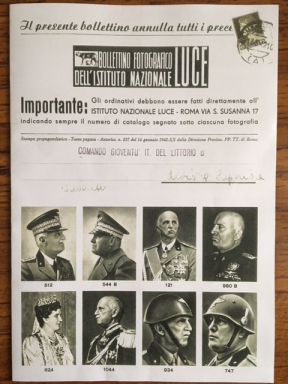
The Italian Fascist leader Benito Mussolini understood more than other leaders of his generation the power of images and used them to great effect in building his personality cult which was central to Italian Fascism. In this illustrated webinar, Professor Giuliana Pieri will explore the evolution of the iconography of...
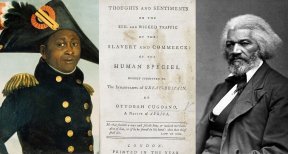
This talk explored the struggle for liberation from the perspective of the enslaved, wherever possible in their own words. Dr Sudhir Hazareesingh shines a light on the lives of revolutionaries like Toussaint Louverture, José Antonio Aponte, Nat Turner, and the pregnant rebel Solitude; touching on the stories of the freed...
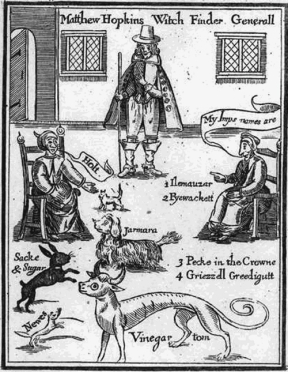
The East Anglian witch hunt under Matthew Hopkins, self-appointed Witchfinder General, has garnered a great deal of popular and historical interest over the years. An image has developed of a zealous, misogynistic young man serving crazed 'justice' against supposed witches, whipping up panic and turning neighbours against each other in...
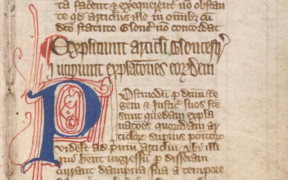
This month at the Virtual Branch, renowned medieval historian David Carpenter will delve into the enduring legacy of Magna Carta. Drawing on his recent work uncovering and authenticating a Magna Carta document in the United States, Carpenter will explore why both the dating and the content of this foundational charter...
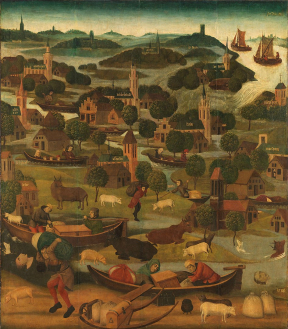
Natural disasters frequently affected medieval populations. This webinar explores some examples of what happened when meteorological hazards struck medieval communities, how they reacted and what steps they took to protect themselves against future risks. Through archaeological and historical sources of evidence, Peter Brown explores the diverse impacts unleashed by disasters...
Join us for a journey through Georgian history, literature and society – all from the comfort of your own home. Celebrating the 250th anniversary of Jane Austen's birth, this rich, interdisciplinary webinar series from the Historical Association delves into the vibrant world of the Georgians through the lens of one...
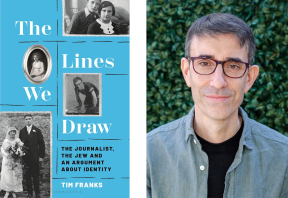
In this Virtual Branch Tim Franks, acclaimed BBC Journalist, talks about his personal history and identity drawing on his new biography The Lines we Draw: The Journalist, The Jew and an argument about identity. We will delve into Tim's experiences as a journalist in some of the world's major conflict...
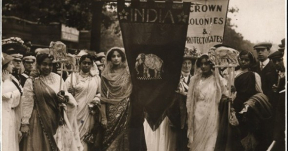
Between 1917 and 1947, women in the Indian subcontinent were engaged in active debates and noteworthy demonstrations for the vote, building up a national suffrage movement. In this talk Professor Sumita Mukherjee discusses the activities of Indian suffragettes in this period, showing how they were connected with British and other...
The Historical Association's Medlicott Medal 2025 was awarded to Dr Christine Counsell. The award seeks to recognise individuals from a diversity of backgrounds in their service to history. Read more about Christine, her work and her award here. As is the custom, Dr Christine Counsell received her award and presented...
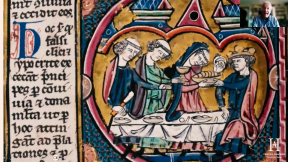
In his recent book The Monastic World, Andrew Jotischky looks at how from the late Roman Empire onwards, monasteries and convents were a common sight throughout Europe. The history of monasticism is defined by the fierce and passionate abandonment of the ordinary comforts of life, the most striking being food...
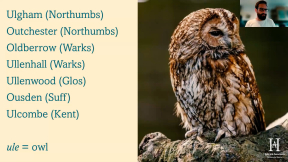
In his recent book The Cuckoo's Lea Michael J Warren provides a exploration of how birds are entwined with British history, particularly in our place names. Join us for an exclusive Q&A with the author to weave together literature, history and ornithology and discover a fascinating heritage that matters deeply...

The religious wars of the Crusades are renowned for their military engagements. But the period was witness to brutality beyond the battlefield. More so than any other medieval war zone, the Holy Land was rife with unprecedented levels of criminality and violence. In the first history of its kind, Steve...
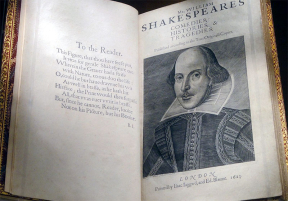
To mark the anniversary of the publication of Shakespeare’s first folio in 1623–24, our 2024 winter webinar series focused on ‘The history that Shakespeare gave us’. The representation of the past in Shakespeare’s plays has shaped many people’s understanding of history. In this webinar series, leading academics explore the history...
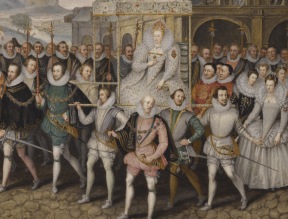
In this Virtual Branch talk Professor Emma Smith provides a preview of her current research, which explores the lives and cultural undercurrents of Elizabethan England. What was influencing their cultural tastes and how much of it was new, or had it all been seen before? Emma Smith is Professor of...
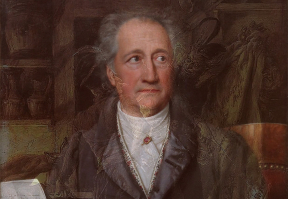
In Goethe: His Faustian life, award-winning biographer, critic and writer A. N. Wilson tells the spellbinding story of the life of Goethe. From his youth as a wild literary prodigy, to his later years as Germany’s most heroic intellectual figure, Wilson hones in on Goethe’s undying obsession with the work...
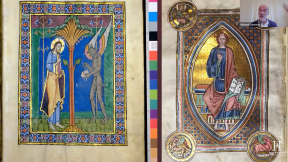
Modern, non-invasive scientific techniques have revolutionised knowledge of medieval inks and pigments - from the most exotic, such as lapis lazuli and Egyptian blue, to the most ordinary, indigo and ochres - and of how they were used to create magnificent illuminated manuscripts. This webinar will outline the techniques in...