
In conversation with Heidi Tworek
Historian feature
Communications revolutions, democracy, and information warfare
What happens when a society begins to believe that the newest communications technology will either save democracy or destroy it? The question feels unmistakably contemporary. It is asked today about social media, digital platforms, generative AI, deepfakes, and the future of elections. Yet, Heidi Tworek’s work shows that these debates have a much longer history. Across the nineteenth and twentieth centuries, governments, businesses, journalists, and citizens repeatedly confronted the political power of new media, from news agencies and telegraph cables to wireless and radio.
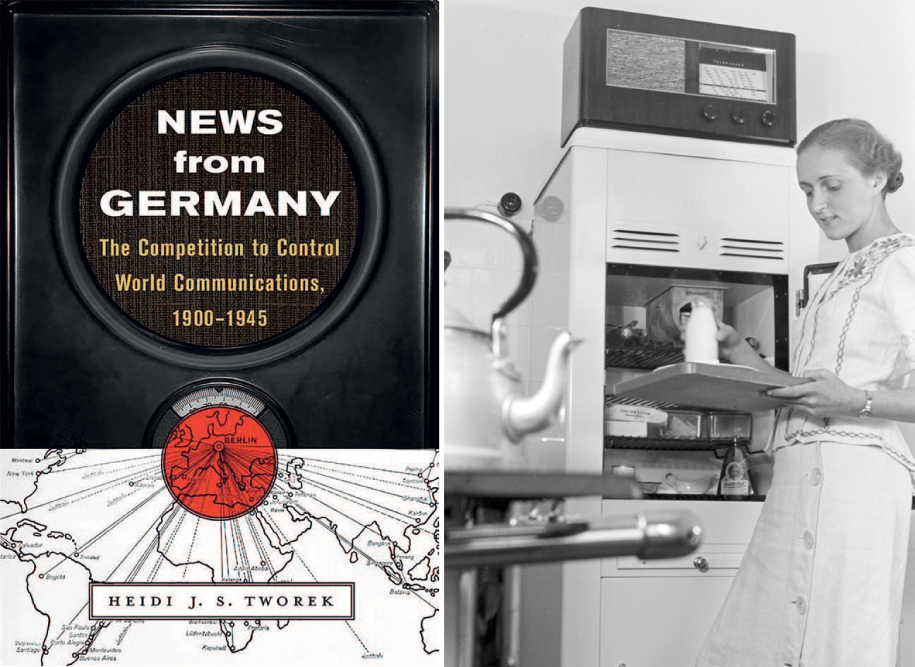
Tworek’s research asks how communications technologies shape democracy, not simply through the messages they carry, but through the infrastructures, institutions, regulations, and assumptions that make information circulate. Her award-winning book News from Germany: The Competition to Control World Communications, 1900–1945 traces German attempts to challenge British and French dominance over global news networks and shows why control of communications was understood as a matter of geopolitical power. Her current work brings that historical perspective into policy debates about digital governance, harmful communication, platform power, generative AI, and elections. Carolin Gluchowski spoke with Heidi Tworek about communications ‘revolutions’, the limits of historical analogy, information warfare, AI, and what historians can contribute to democratic policy.
This resource is FREE for Historian Members.
Non HA Members can get instant access for £2.49