
Visits
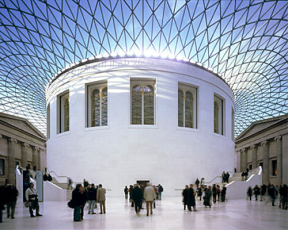
Please note: this article pre-dates the 2014 National Curriculum. With school budgets as they are it is amazing that any primary schools can fund history trips to the British Museum [BM]. The education department of the British Museum [BM] is well aware of these constraints and tries to meet the...
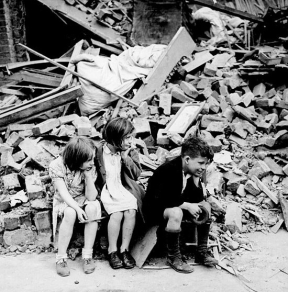
Introduction - Educational Visits Educational visits are often the most memorable parts of primary schooling, and those that as teachers of primary history we hope provide rich, thought provoking experiences of educational worth. Often, it is these trips that are capable of providing a sphere for the immersive, explorative teaching...

Focus and Purpose A Year 5 class of 27 children were to visit the North Gallery at Petworth House in Sussex, where the 3rd Earl of Egremont kept his collection of sculptures and pictures. If the children were to learn I needed to give them a focus and a purpose....
Introduction This article explores how working in partnership with museums can help to build the concept of chronology. In 2009 the Education team at the Royal Armouries Museum, Leeds, worked with the Gifted and Talent Advisor at Education Leeds to provide a series of CPD days for teachers, and pupil...
Please note: this article pre-dates the 2014 National Curriculum and some content may be outdated. Those teachers who can still manage a school trip to the British Museum are in for a treat. The new Michael Cohen Gallery (Room 61) is everything a museum exhibition room should be. Its focus...
Please note: this article pre-dates the 2014 National Curriculum and some content may be outdated. In the autumn of 2009 I agreed to contribute to a project looking at how Saltaire village, Bradford could be developed as an educational site. This is a very popular site visited by many local...
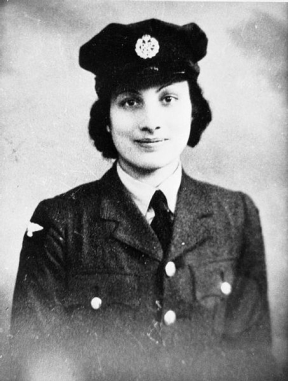
Please note: This article pre-dates the current National Curriculum and some content and references may be outdated. If you are considering studying someone other than Florence Nightingale you have two basic options. You can either choose a local character who would be more relevant to the children, or you could...
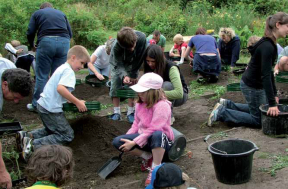
Please note: this article pre-dates the 2014 National Curriculum and some content may be outdated. As an archaeologist who, after being a bit bored with history at school, discovered the excitement of the past through digging in dirt and finding things, I get frustrated by people not ‘getting' what archaeology...
Please note: this article pre-dates the 2014 National Curriculum and some content may be outdated. Young children enjoy prehistory Tactile, Physical and Enactive engagement with archaeological remains stimulates, excites and promotes children's logical, imaginative, creative and deductive thinking. Through archaeology there are infinite opportunities for ‘reasonable guesses' about sources and...
Introduction – slavery, abolition and emancipation 25 March 2007 marked the bicentenary of the Act for the Abolition of the Slave Trade. It is not compulsory to teach about the slave trade. However, the links to the National Curriculum – particularly in history, citizenship and geography – are clear. The...
In October 2005 English Heritage launched an exciting new National Learning Strategy. This strategy marks a new development for English Heritage and heralds the introduction of a brand new service at many of our fascinating sites which will enhance and enliven school visits.
Please note: this article pre-dates the current National Curriculum and some content and links may be outdated. It is a sad fact that visits to historical sites have become a diminishing feature of primary school children's experience in recent years. Stringent health and safety regulations, tight budgets, exorbitant transport costs...
Please note: this article pre-dates the current National Curriculum and some content may be outdated. Developing an understanding of archaeology during historical studies can be important. It enables children to realise how we come to know and indeed understand about the past. Studying the work of archaeology helps develop vital...
Delving into the origin and history of museums, one finds that particular themes emerge which are still present amongst the underpinning dynamics of museums in the 21st Century. Inseparable from the story of museums and galleries, for example, are the notions of ‘collecting’ and ‘curiosity’ and likewise, one’s attention is...
Please note: this article pre-dates the current National Curriculum and some content may be outdated. What kind of experience will be remembered by the children in your class in 20 or 30 years’ time? A trip to Beamish, The North of England Open Air Museum, would be a likely candidate....
Please note: this article pre-dates the current National Curriculum and some content may be outdated. ‘The 2,500 museums in the United Kingdom are a resource for public learning of exceptional educational, social, economic and spiritual value - a common wealth. This wealth is held in trust by museums for the...
Please note: this article pre-dates the 2014 National Curriculum. There is a huge potential for using ICT to enhance children’s historical learning. This article suggests ways in which ICT was employed to record children’s impressions of their visit to an historical building.
Please note: this article pre-dates the 2014 National Curriculum. Victoria Rogers highlights the importance of encouraging school visits to heritage sites and museums.
Please note: this article pre-dates the 2014 National Curriculum. Apart from the difficulty of getting hold of a hard copy of the new National Curriculum framework, museum educators have little to worry about in the results of the curriculum review. The framework reveals few changes that will affect what museums...