
Free for members
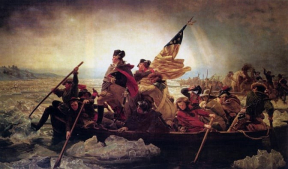
The political power of the press was one of the great new revolutionary forces of the 18th century. In his illustrated talk peppered with insightful examples based on detailed research and leavened with anecdote, George Goodwin, author of Propaganda Wars of the American Revolution, brings to the foreground the often...
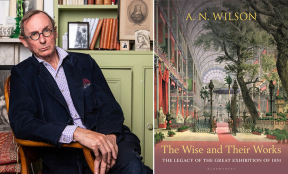
We are delighted to be joined by respected author and journalist A.N. Wilson to talk about his new book The Wise and their Works: The Legacy of the Great Exhibition of 1851, which explores the people behind that pivotal event and the ambitious ideas that helped to define a century....
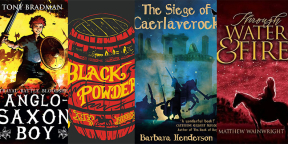
During the summer holidays of 2026 we hosted four online sessions with authors who have either been shortlisted or won the HA Young Quills for Historical Fiction. The authors Tony Bradman, Barbara Henderson, Ally Sherrick and Matthew Wainwright were in interviewed talked about what it means to be an author;...
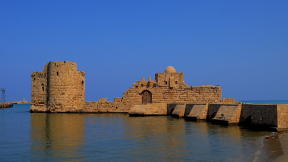
During the twelfth and thirteenth centuries the crusaders constructed tens of castles across the Middle East, some merely small watchtowers, others massive strongholds or fortress cities - but why did the crusaders place so much importance on fortifications? Nicholas Morton explores the development of this remarkable phenomenon asking key questions...
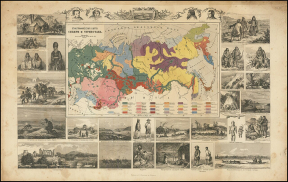
In this webinar historian Shane O’Rourke – a specialist in late-Imperial Russian society and ethnicities, including the Cossacks – explores society under the last three Tsars, examining Russification in the western Russian borderlands, Russian settler colonialism, the Caucasus and deportation, and current historiographical trends.
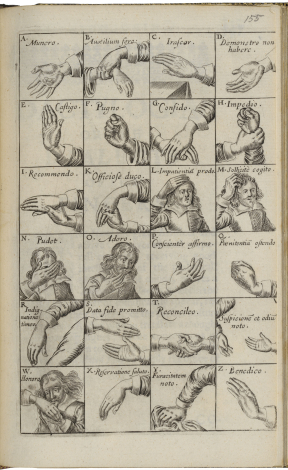
In this webinar, Professor Rosamund Oates shares her research for her new book Silent Histories: Deafness in Early Modern England (2026). Professor Oates is an expert in the historical cultures of early modern England and is passionate about exploring previously unknown stories of deaf and disabled people, using rigorous scholarly...
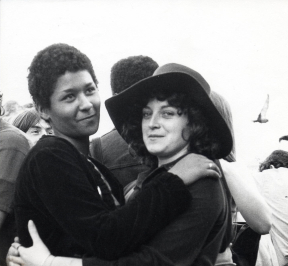
Since the end of the Second World War, there has been much talk of 'revolutions' in gender relationships and sexual behaviour. Many observers have pointed to significant increases in women's participation in politics and paid employment, of new sexual identities and the emergence of a more sexually expressive culture, and...
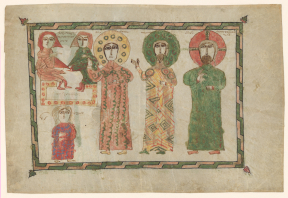
The Crusades were traditionally studied as an extension of western European history. In recent decades, however, historians have begun to study the Crusades from the perspective of Middle Eastern history, through sources left behind by local Muslims as well as Eastern Christians. This presentation will discuss this shift in the...
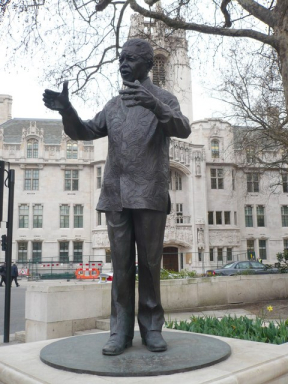
While often viewed as a pariah state existing in isolation, the apartheid project was deeply entwined with global shifts in the 20th century. This webinar explores how international ideologies, Cold War geopolitics, and global anti-apartheid movements both challenged and inadvertently shaped the South African state. By contextualising apartheid within a...
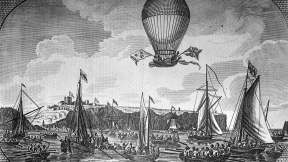
The coast means something different to everyone. It’s a place of pleasure and reckless pursuits, of fishing, fearless endeavours and a crashing, rugged beauty. The coast is, and always has been, Britain's first line of defence and springboard to other cultures. In this talk public historian Sally Coulthard delves into...
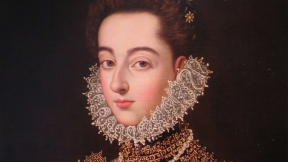
What was life really like for a Spanish royal woman? Catalina Micaela, the younger daughter of Philip II of Spain, wrote extensively to her husband Carlo Emanrele I of Savoy giving fascinating insights into the events at court and the pressures on the families, providing a glimpse into sixteenth-century Spain...
The French Revolution 1789–99 was not just a turning point in French history but also for the other nations of Europe and beyond. The physical and political repercussions of the events and those that followed it had an immediate impact on other monarchies and empires as well as on the...
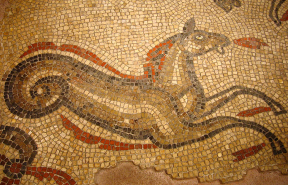
This short course looks at the Roman arrival, settlement and legacy of the Roman presence in Britain. It also explores the writings by those who visited the island during that period and how the politics of Empire and leadership fed into wider Roman society. Closing talks will also look at...
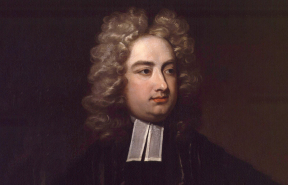
In Episode 12, Professor Michael Brown of the University of Aberdeen discusses who held power in Ireland in 1714 and how the protestant ascendancy developed following the fall of James II and the rise of the Hanoverian dynasty. This is a period increasingly defined by the exclusion of Ireland’s Catholic...
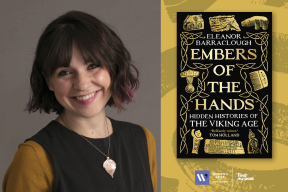
Eleanor Barraclough tells a richly detailed history of the Viking Age through the everyday objects and traces left by ordinary people, revealing the complex, lived realities behind the familiar saga‑era myths. Dr Eleanor Barraclough is a historian, author and broadcaster. Her most recent book, Embers of the Hands: Hidden Histories...
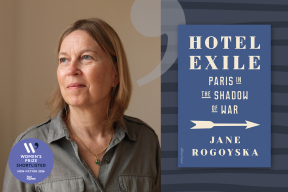
Jane Rogoyska tells the story of the Hôtel Lutetia, the only ‘grand’ hotel on the city’s bohemian Left Bank, serving as a meeting place for artists, musicians and politicians. André Gide took his lunch here, James Joyce lived in one of its rooms, Picasso and Matisse were regular guests. But...
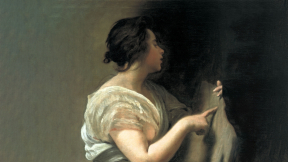
In Episode 11, Dr Mary Jo MacDonald of the University of Jyväskylä explores how the end of the Licensing Act, sweeping political change, and a revolution in intellectual culture opened unprecedented opportunities for women to shape political, social, and intellectual life in Britain and Ireland. The film highlights major proto‑feminist...
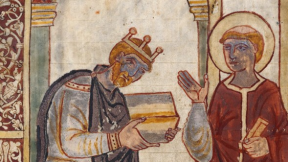
Æthelstan was the early medieval king whose territorial conquests and shrewd statesmanship united the peoples, languages, and cultures that would come to be known as the 'Kingdom of the English.' In this panoramic talk, David Woodman draws on his research and recent book to create a portrait of this immensely...
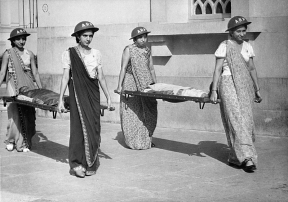
2025 was the 80th anniversary of the end of the Second World War – a conflict that defined the twentieth century and still has an influence on relationships and attitudes today. In this online short course, we welcome academics from institutions across the UK and abroad to contribute to a...
This recorded webinar explores methods that the Education & Outreach department at The National Archives is using to teach and engage audiences by allowing them to explore original documents using touch, hearing, and smell. This includes projects for school-age blind and visually impaired students, Early Years audiences, intergenerational audiences with...