
Pamphlets
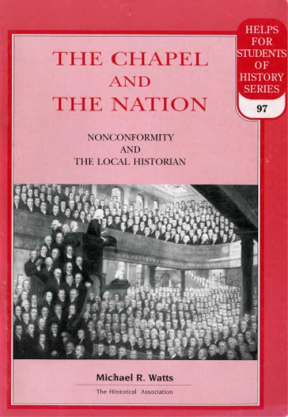
The Noncoformitst chapel has played a crucial role in the history of the English and Welsh nations. When the great French historian Elie Halevy sought to explain the contrast between the turbulent history of his own country and the peaceful evolution of England in the late eighteenth and nineteenth centuries...
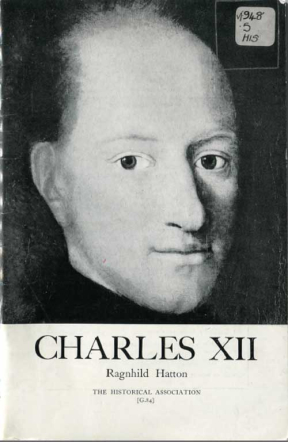
The reputation of Charles XII who became king of Sweden before he was fifteen years old and had the responsibility of absolutist goverment thrust upon him within the next six months - contrary to the plans laid down for him by his father - has tended to attract political rather...
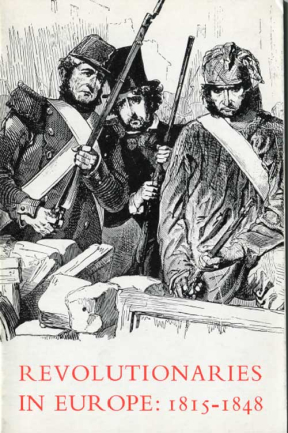
In the three and a half decades which followed the defeat of Napoleon, conspiracy, riot and revolt were constant features of the European scene. No prison was storng enough to prevent Blanqui from plotting, no place of excile distant enough to seperate Mazzini from his revolutionary agents. Cities were insubordinate,...
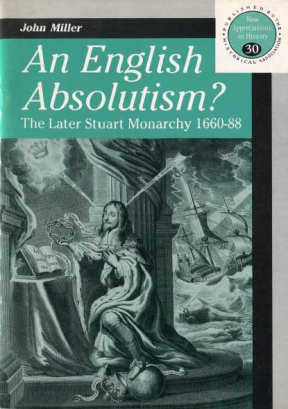
The term 'Absolutism' was coined in France in the 1790s, but the concept which described it was familiar to many Englishmen in the late seventeenth century. They talked of 'absolute monarchy', 'tyranny', 'despotism' and above all 'arbitrary government'. Their use of such terns were pejorative: they described political regimes of...
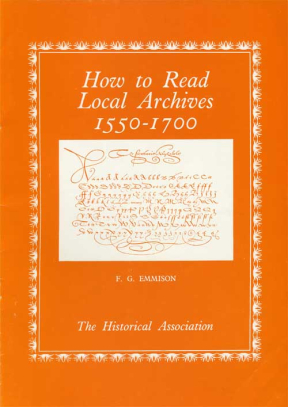
The aim of this pamphlet is to encourage those interested in English history, especially university and school teachers, trainee teachers, and tutors of English and local history courses and classes, to teach themselves and their students how to read the last of the pre-italic handwritings, if they are not familiar...
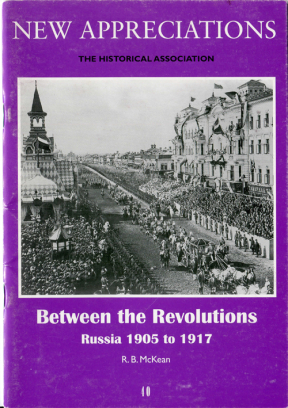
"The key question is this - is the peaceful renovation of the country possible? Or is it possible only by internal revolution?"This quotation succintly expresses the problem that faced both contemporaries and subsequant generations of historians confronting the development of Russia between the revolutions of 1905 and 1917. The upheavals...
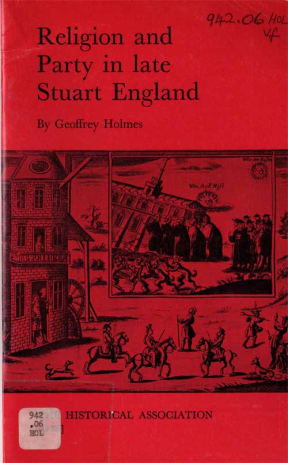
The second English Revolution of the seventeenth century, the Revolution of 1688, ushered in during the next twenty-five years a series of changes which were to be profoundly important to the ultimate development of the country. Most conspicuously, the reigns of William III and Anne released Englishmen - though not...
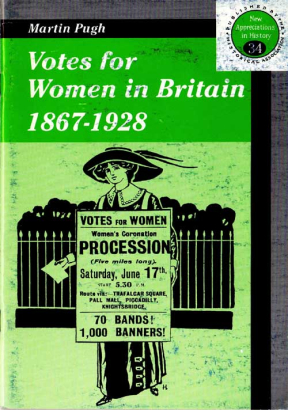
This classic pamphlet takes you through the Votes for Women in Britain movement from its origins to its eventual success, following the case for women's suffrage presented, tactics and strategies, the anti-suffragist argument, party political complications, international perspectives, the Pankhursts and militancy, the revival of non-militant suffragism, the impact of...
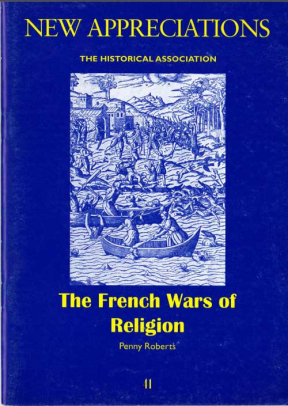
This classic pamphlet takes you through the French reformation, the first, second and third war of religion, The St Bartholomew's Day massacre and the Fourth War, the later wars, the Catholic League, Henry IV, the nobility, the towns, confessional violence, social contexts and warfare and its costs.
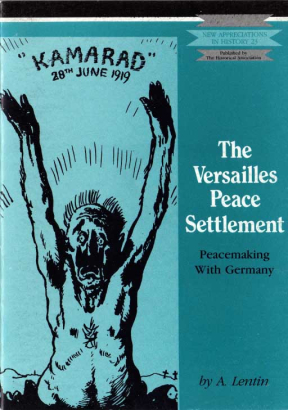
This classic pamphlet takes you through the Paris Peace Conference and the 'German Question', Peacemaking and the Treaty of Versailles, Europe and the German question after Versailles.
The classic HA Guide to collecting oral history! Oral history is spoken history: it is the recording of people's unique memories and life stories. Over the past thrity years talking directly to the makers of history has emerged not only as one way in which historians can discover more about...
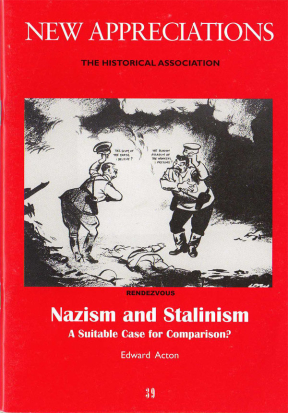
Is it legitimate to compare the Nazi and Stalinist regimes? There might seem little room for doubt. It is often taken as self-evident that the two regimes were variations of a common type. They are bracketed together in school and university courses, as well as text books, under labels such...
Indisputably, the United States of America has been and continues to be the leading power of the twentieth century. No country or people, however large or small, has been immune from American influence. A succession of American presidents have become international celebrities whose personal strengths and weaknesses are discussed and...
Can a movement as varied and diffuse as the Enlightenment of the eighteenth century be contained within the covers of a short pamphlet? The problem would certainly have appealed to the intellectuals of that time. Generalists rather than specialists, citizens of the whole world of knowledge, they relished the challenge...
Armed forces never exist in isolation, but always operate against a background of political, economic, social, cultural, intellectual and ideological conditions and attitudes, as well as in relation to diplomatic and strategic factors. Some governments regards their military forces especially their armies, more as instruments for maintaining internal order than...
It was in the 19th century for the most part that the study of the past was revolutionized through the progress in criticism, the opening of archives and the great development of what we call ‘historical thinking’. In the same century the historical approach produced a transformation in many branches...
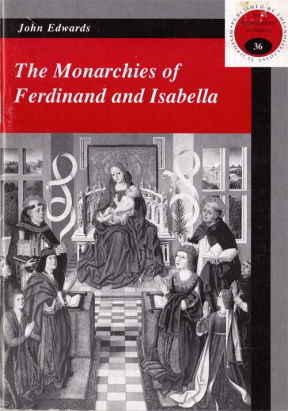
On 12 December 1474, the news reached the Castillian city of Segovia, north-west of Madrid, that Henry IV, king of Castile, had died. After the proper ceremonies had been conducted in memory of the deceased monarch, his sister, Isabella, was proclaimed queen of Castile in that place. There was much...