
Search results
Found 78 results matching “nuffield”
Not found what you’re looking for? Try using double quote marks to search for a specific whole word or phrase, try different search filters, or see our search tips.

Please note: this article pre-dates the 2014 National Curriculum and some content may be outdated. This article is a tribute to the 20th century’s most inspirational history teacher, John Fines. He embodied the principles of ‘doing history’ in his teaching and in the Nuffield Primary History Project that he directed....
P
Primary Resource
Please note: this article pre-dates the 2014 National Curriculum and some content may be outdated. The teaching ideas below are adapted from an idea the great John Fines developed for teaching Ancient Greek science. With active teacher support and guidance, it requires the pupils to use what they know, and...
P
Primary Resource
Please note: these resources were produced as part of the Nuffield Primary History project (1991-2009) and pre-date the 2014 National Curriculum. A series of lessons, exemplars and guides to help you teach your students about the Romans, the Anglo-Saxons and the Vikings.
Please note: these resources pre-date the current National Curriculum and some content may be outdated. A series of lessons, exemplars and guides to help you teach your students about Victorian Britain.
Literacy was at the heart of the Nuffield Primary History Project. The paper below summarises the eight linguistic areas which were a major focus. Here there is considerable congruence with the proposed 2014 NC for English and Literacy with its language across the curriculum focus...
P
Primary Resource
History provides an extremely rich context for literacy and writing, see Case Study 3: Evacuees. As such, Writing History is an element in a whole school policy towards literacy that emphasises Language Across the Curriculum for all subjects and areas. references. Case Study 1 illuminates the concept that pupil writing...
P
Primary Resource
We all now live in the digital age. The smart phone, kindle, i-pad and computer mean children are immersed and interact in a digital world of moving, still and spoken images. They are also able to communicate digitally socially: for example, Twitter and Facebook. Social media facilitate social as well...
P
Primary Resource
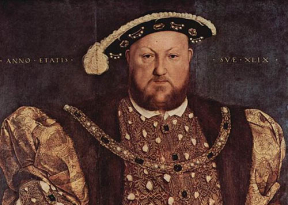
"Henry the 4th ascended the throne of England much to his own satisfaction in the year 1399, after having prevailed on his cousin & predecessor Richard the 2nd to resign it to him, & to retire for the rest of his Life to Pomfret Castle, where he happened to be...
P
Primary Resource
Pupils' historical writing can take thousands of different forms, for example, an advert, comic, magazine article, love letter, short story, exam essay, poster or account of a castle visit. For pupils to compose in any genre they must understand and assimilate the genre's skeletal framework, its mode, tenor, field -...
P
Primary Resource
Historical stories and fiction give full rein to children's imaginations and creativity. As such, they are a standard, major element in pupils' historical authoring.Writing history stories is stimulating, enjoyable and challenging. When using their historical imaginations children as authors have to be disciplined. They must work within the strict parameters...
P
Primary Resource
Pupil writing is present at every point in studying history - from initial questioning to the writing and presentation of a finished piece of work. Children continually explore, acquire and build upon both existing and new historical vocabulary and phrases, p. 30. Writing depends totally upon pupils' linguistic knowledge and...
P
Primary Resource
The language of History develops subject content knowledge and associated vocabulary & phraseology, p. 30. Pupils can record, extend and develop their historical language through using a range of mini-scaffolds or frameworks that they flesh out with teacher guidance and support. A class can build upon basic historical vocabulary through...
P
Primary Resource
Introduction: Interactive Whole Class - Teaching, Textbreaker & EXIT Demonstration and modelling relies upon pupils being able to read the text that is being modelled, including the most demanding document. Accordingly the Nuffield Primary History Project developed a whole class interactive teaching strategy to support pupil reading of difficult and...
P
Primary Resource
Drama and Role Play are powerful teaching approaches for language development. The themed edition of Primary History 48, Spring 2008 History, Drama and the Classroom provides a comprehensive introduction and detailed guidance to language development through roleplay and drama. PH 48 contains numerous case-studies illuminating a full range of approaches....
P
Primary Resource
Poetry is a major area for pupils creative and imaginative historical writing. Pupils writing historical poetry can draw upon a wide range of poetic modes, for example haikus, sonnets, blank verse. Poetry is an excellent vehicle for public presentation, with pupils reading their composition to their class members. To use...
P
Primary Resource
Please note: this article pre-dates the 2014 National Curriculum and some content may be outdated. The introduction of National Curriculum History in England as a statutory subject in 1989/90 faced primary teachers with a major challenge of how to teach a de facto new subject. The Nuffield Foundation funded a...
P
Primary Resource
Please note: this article pre-dates the 2014 National Curriculum and some content and links may be outdated. The class had composed its Anglo-Saxon funeral poem for Raedwald, an Anglo-Saxon king, https://en.wikipedia.org/wiki/R%C3%A6dwald_of_East_Anglia, the high king or Bretwalda of all seven Anglo-Saxon kingdoms in the early seventh century as well as being...
P
Primary Resource
Successful Local History fieldwork How can you and your children get the most out of a site visit? Read this brief account of an example of Local History fieldwork with children: it was based on the NPHP Top Ten Pointers...
P
Primary Resource
Introduction History is a foundation subject within the English National Curriculum, and as such is part of every child's entitlement. As a distinct subject discipline, history is: a process of enquiry an evidence-based interpretation and construction of the past a debate about interpretations of the past the exercise of informed...

Please note: this guide was written before the 2014 National Curriculum and some of the advice may no longer be relevant. For more up-to-date guidance visit our Primary Subject Leader area (available to Corporate Primary Members) or see: Progression and assessment without levels Progression from EYFS to KS3 Tracking pupil...
Please note: this article pre-dates the 2014 National Curriculum and some content may be outdated. The Nuffield Foundation-funded Leeds Community History Project brought together schools and older community members in the creation of community archives. It focused on articulating, valuing and recording the older generation's memories and knowledge. Its overarching...
Please note: this article pre-dates the 2014 National Curriculum and some content may be outdated. In the mid 1990s the Nuffield Foundation funded the development of a primary history curriculum for Yaroslavl in Russia. It was a contemporary curriculum, choosing issues and concepts of central concern to contemporary society and...
P
Primary Resource

Please note: this lesson was produced as part of the Nuffield Primary History project (1991-2009) and pre-dates the 2014 National Curriculum. Good for SeptemberThe children are in a mixed Year 1/2 class of 27. We did the activity in September because half the class were new and would know very...
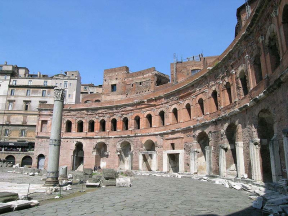
Please note: this lesson was produced as part of the Nuffield Primary History project (1991-2009) and pre-dates the 2014 National Curriculum. It is part of a full sequence of lessons available here. Shopping in a Roman townPart of 'The way of life of people who lived in the more distant...
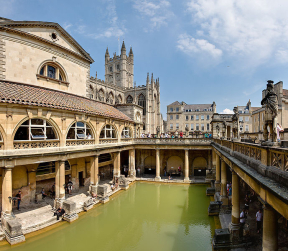
Please note: this lesson was produced as part of the Nuffield Primary History project (1991-2009) and pre-dates the 2014 National Curriculum. It is part of a full sequence of lessons available here. The account tells how we recreated a Roman bath house in the Reception/Year 1 classroom during a ten-week...