
Historian articles
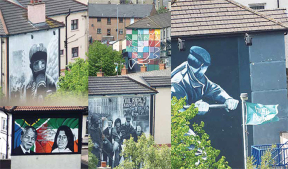
Jenni Hyde was out and about in Derry in 2016 and describes how the sights of the city tell the story of a history which is so much more than just the legacy of the Troubles.
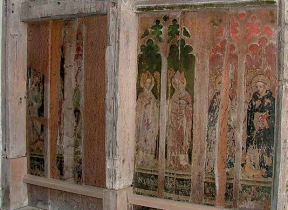
Trevor James has been researching the ‘saintly landscape’ for over 40 years. Here is a glimpse of what he has identified.
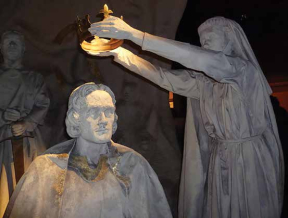
Kate Ash-Irisarri shows how three redoubtable women had significant roles in the difficult and dangerous period of the Scottish Wars of Independence.
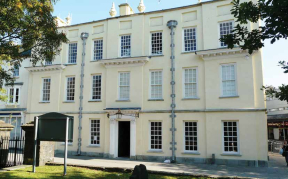
There are so many delightful places of historical interest in Wales that it is very difficult to select just one or two as favourites but among contenders must be those visited by the Pontllanfraith Branch of the Gwent Historical Association in August 2018...
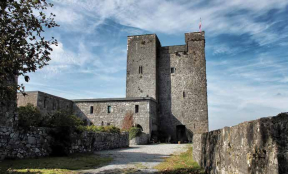
Sean Connolly illustrates how Tudor dreams of a reformed Ireland were not realised – instead tensions between Irish magnates and the English Crown often erupted into violence.
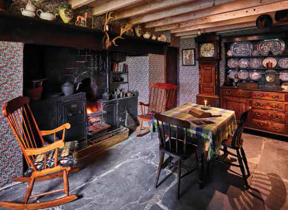
Naomi Jones describes a Welsh poet who has left a different kind of memorial to the First World War.
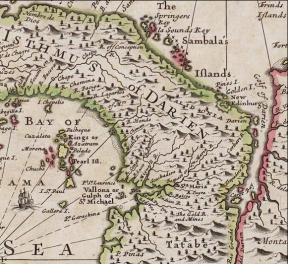
John McKendrick considers how Scotland’s wish to create a trading empire was dashed and made the Act of Union of 1707 almost inevitable.
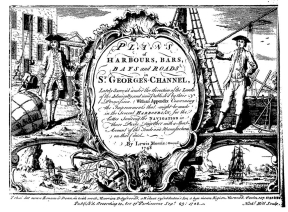
Bethan M. Jenkins considers why it was important to Lewis Morris and others to have the distinctive Welsh contribution to British history and culture properly acknowledged.
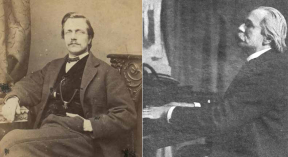
Colin Wheldon James introduces us to a 19th-century Welsh composer who deserves far greater recognition for his achievements in Wales as well as in England and America.
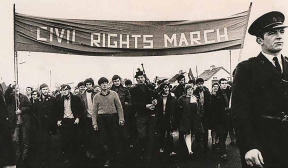
Jim McBride looks at the growing demand for equal civil rights for the Catholic population of Northern Ireland through the 1960s, which led to the resignation of Terence O’Neill in 1969.
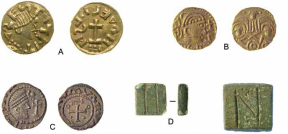
New research at a royal palace site close to Sutton Hoo poses fresh questions about the nature of the early Anglo-Saxon kingdoms. Christopher Scull and Tom Williamson look at how landscape studies can change our understanding of early English royal rule.
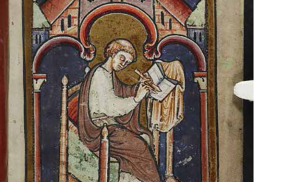
The eighth-century monk is renowned as the ‘Father of English History’, but recent scholarship has demonstrated how important he was as a scientist and theologian and how his writings on the Bible can illuminate his famous history.
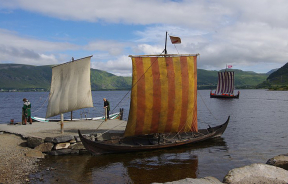
Stunning archaeological discoveries have shed new light on the reign of Alfred the Great and his struggles with the Vikings, revealing the might of the Viking armies and the international connections of his kingdom.
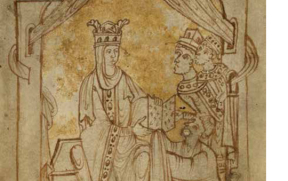
Elite Anglo-Saxon women played a powerful role in the religious affairs and politics of their day and were important patrons of learning and culture.
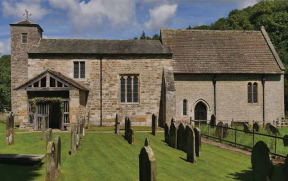
Tom Pickles explores Ryedale in Yorkshire, where an extraordinary network of churches bears witness to the social, political, and religious transformations of the Anglo-Saxon period.
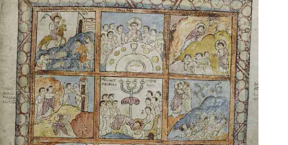
The riches of surviving Anglo-Saxon manuscripts showcased in a fabulous new exhibition at the British Library emphasises the essential interconnections between England and the Continent.
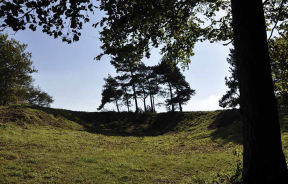
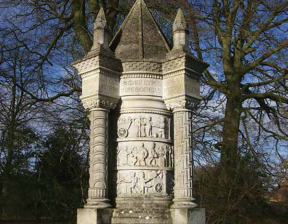
Paula Kitching introduces a very remarkable First World War memorial to a specific group of Yorkshire workers.
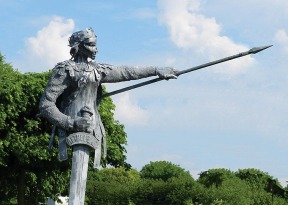
Many fascinating individuals appear in the British Library’s Anglo-Saxon Kingdoms exhibition – Bede, Alfred, Canute, Emma, William the Conqueror – but one deserves to be much better known, especially in this her anniversary year: one of the most important women in British history, hers is a classic case of the...
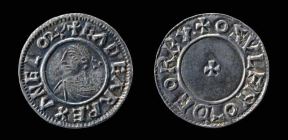
The study of Anglo-Saxon coins shows the sophistication of tenth- and eleventh-century government and of the economy. But they carried a moral and religious message too.