
Primary History articles
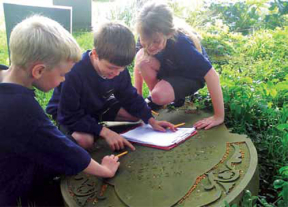
Please note: this article pre-dates the 2014 National Curriculum and some content may be outdated. As a headteacher, I want my teachers to plan high quality learning experiences for children. By ensuring that lessons are vibrant and exciting, and that stimulate that ‘inbuilt curiosity', we make sure that children encounter...
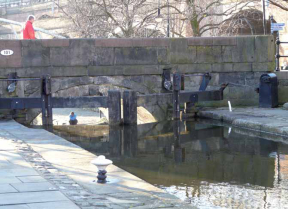
Please note: this article pre-dates the 2014 National Curriculum and some content may be outdated. A study of the local environment can make a vital contribution to children's sense of identity, their sense of place and the community in which they live. More importantly, a local study can enable children...
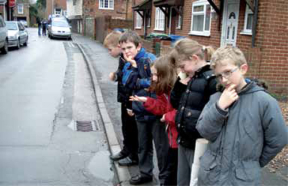
Please note: this article pre-dates the 2014 National Curriculum and some content may be outdated. This is a reflection on a project, set up with a variety of different thoughts about education in its widest sense. Or, to put it another way, a primary school teacher's record of a unique...
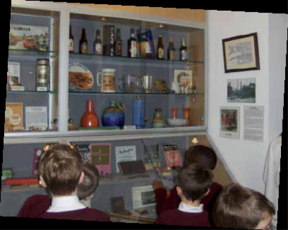
Please note: this article pre-dates the 2014 National Curriculum and some content may be outdated. As teachers we are all responsible, with our pupils, for the environment within our classrooms. Together we create calm and order, challenge and activity. The environment beyond is of infinite variety. The view from my...
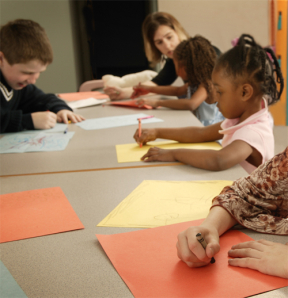
Please note: this article pre-dates the 2014 National Curriculum and some content may be outdated. Whilst there are many obvious historical buildings - castles, Roman Villas and Abbeys these often involve transport costs which may be beyond a school budget. Turner-Bisset suggests: There is also history in ordinary, everyday sites,...

Please note: this article pre-dates the 2014 National Curriculum and some content may be outdated. Editor's note The Place, Time and Society 8-13 Project was established in 1971 ‘to explore the problems of the part of the curriculum for children aged 8-13 which is related to the subject-areas of history,...

Please note: this article pre-dates the 2014 National Curriculum and some content may be outdated. Choosing a topic, creating teaching approaches and choosing resources for historical understanding The Rose Report places history in the sphere of ‘Historical, Geographical and Social Understanding'. This allows for a more flexible approach to study,...

Please note: this article pre-dates the 2014 National Curriculum and some content may be outdated. Section 1: Introduction Music is a powerful, emotive subject to enrich Historical, Geographical and Social Understanding. The Historical Association has a long and proud tradition of working closely with the Schools Music Association. In 2005,...
How do you enable creativity and empathy without loosing 'rigour'? The Integrated Planning Process Introduction - Rigour ‘v' enrichment. Despite loathing the term rigour, an empty word that has numerous definitions depending on who you speak to, many teachers, Head teachers and curriculum leaders are seeking ways of integrating and...
Please note: this article pre-dates the 2014 National Curriculum and some content may be outdated. Everyone loves a story - especially a story well told. To encourage learning all primary teachers should consider the creative art of telling a story, as well as developing a variety of ways of interacting...

Please note: this article pre-dates the 2014 National Curriculum and some content may be outdated. Introduction: Meaningful links "Teachers will be able to make links within and across areas of learning to help children understand how each distinctive area links to and is supported by others." (Rose Chapter 2, 2.23)...
Please note: this article pre-dates the 2014 National Curriculum and some content may be outdated. Geography is one of humanity's big ideas. It literally means something like ‘writing the world'. Thus, traditionally, geography is associated with rich descriptions of places. For many years geographers were almost synonymous with explorers, bringing...
Please note: this article pre-dates the 2014 National Curriculum and some content may be outdated. At its core, the creative curriculum is a carefully planned, thematic approach to teaching and learning, designed to support and stimulate children's natural curiosity and creativity. Children can work in depth, giving them time to...
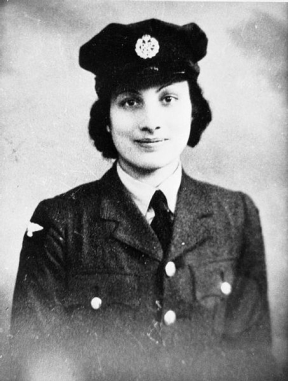
Please note: This article pre-dates the current National Curriculum and some content and references may be outdated. If you are considering studying someone other than Florence Nightingale you have two basic options. You can either choose a local character who would be more relevant to the children, or you could...
Please note: this article pre-dates the 2014 National Curriculum and some content may be outdated. ‘Some primary schools are like the High Street in many of our towns. I can predict what I will see before I go through the door. What I want to see is something that gives...

Towards a new primary curriculum: Cambridge Primary Review Part 1, Past and Present, Part 2, The Future - An editorial response to the Cambridge Primary Review. Please note: this article pre-dates the 2014 National Curriculum and some content may be outdated. Introduction The Cambridge Primary Review, director Robin Alexander, is...
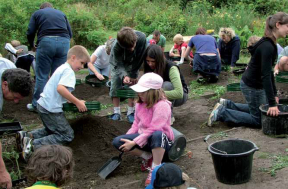
Please note: this article pre-dates the 2014 National Curriculum and some content may be outdated. As an archaeologist who, after being a bit bored with history at school, discovered the excitement of the past through digging in dirt and finding things, I get frustrated by people not ‘getting' what archaeology...
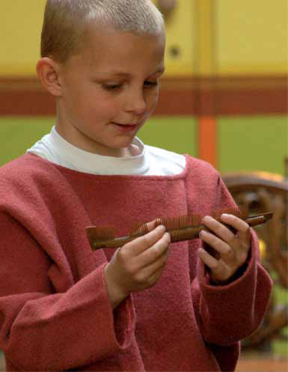
Please note: this article pre-dates the 2014 National Curriculum and some content may be outdated. Wow! The most magical words you can hear from a child. How do we get this wow factor? In my experience, archaeology is full of wow. It was Sir Mortimer Wheeler in 1954 who wrote...
Please note: this article pre-dates the current National Curriculum and some content and links may be outdated. Mrs Markham's influential textbook, ‘A History of England', was first published in 1819 but was still being printed at the end of the nineteenth century. At the end of each chapter is a...
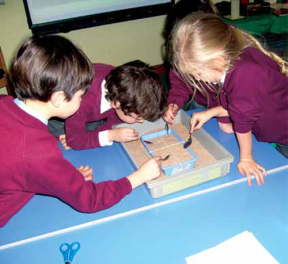
Please note: this article pre-dates the current National Curriculum and some content and references are outdated. Perhaps it is the earthiness of the ground beneath our feet which arouses pupils' curiosity. Or maybe, the idea of the unexpected with the hope of finding something precious or unusual, that is so...