
Europe
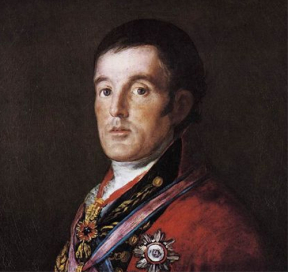
We can do all kinds of things with the past - examine it analytically, or question whether it ever existed, or churn it up inside ourselves until it turns into personal experience. We can dream it as we lounge amidst a heap of ruins, or petrify it into a museum;...
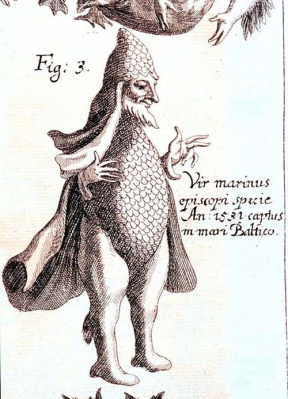
Medieval ‘Signs and Marvels': insights into medieval ideas about nature and the cosmic order. Many aspects of life in the Middle Ages puzzle the modern reader but some are stranger than others. What can possibly explain an event reported from Orford Castle, in Suffolk? This is an amazing tale and...
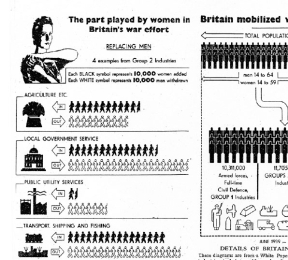
One of the gifts of the social sciences to history is the use of expository diagrams; but attention is rarely given to the history of diagrams. Maps - schematized representations of locations in spatial relation to one another - can be dated back to Babylonia in the late third millennium...
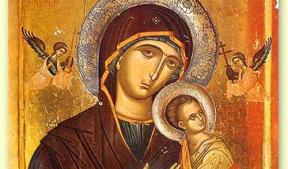
The First Crusade may be considered the only really successful crusade in that it achieved its stated goal, but it demanded great courage and stamina of its participants in their journey to the Holy City of Jerusalem, fighting their way through an unforgiving hostile territory. But courage and stamina by...
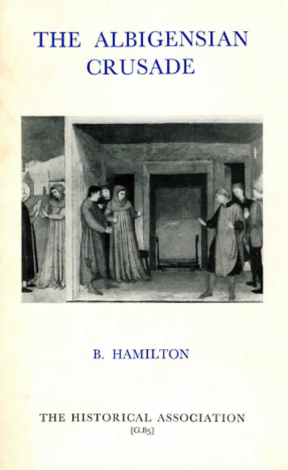
At the time of the First Crusade southern France was strongly Catholic: the army led by Raymond IV of Toulouse was the largest single force to take part in the expedition and was recruited from all classes. Yet eighty years later the Count's grandson, Raymond V, sent this appeal form...
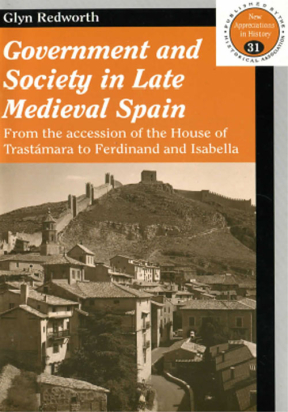
Government and Society in Late Medieval Spain: From the accession of the House of Trastámara to Ferdinand and IsabellaThe history of late medieval Spain is usually seen as a tiresome introduction to the reigns of the Catholic Monarchs, Ferdinand and Isabella. Modern historians tend to portray them as ‘new monarchs',...
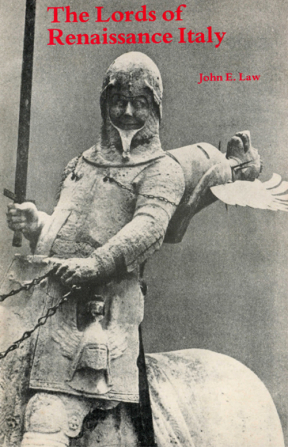
The Lords of Renaissance Italy: the signori, 1250-1500 Among the many city states into which Italy was divided in the late medieval and early modern period, the republics of Florence and Venice are comparatively well known. Republicanism was not, however, the most common form of government. This pamphlet deals with...
Why Medieval History Matters, Professor Anne Curry, President of the HA ‘I don't mind there being some medievalists around for ornamental purposes, but there is no reason for the state to pay for them'. So, allegedly, said Charles Clarke when Education Secretary in 2003. In fact, medieval history has never...
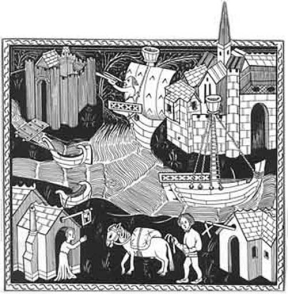
The project: A three-year research project started in December 2007 with the aim of investigating the credit arrangements of a succession of English monarchs with a number of Italian merchant societies. The study, based at the ICMA Centre, University of Reading, is funded by the Economic and Social Research Council...
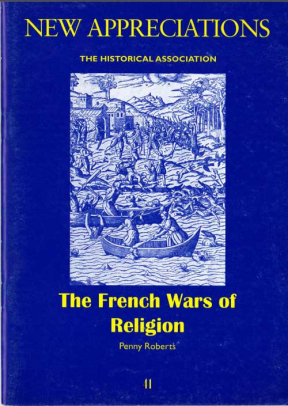
This classic pamphlet takes you through the French reformation, the first, second and third war of religion, The St Bartholomew's Day massacre and the Fourth War, the later wars, the Catholic League, Henry IV, the nobility, the towns, confessional violence, social contexts and warfare and its costs.
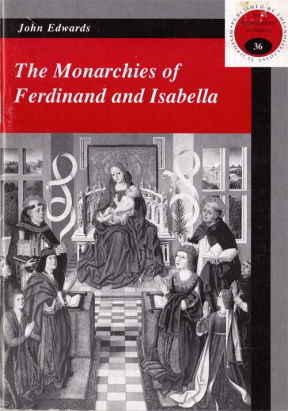
On 12 December 1474, the news reached the Castillian city of Segovia, north-west of Madrid, that Henry IV, king of Castile, had died. After the proper ceremonies had been conducted in memory of the deceased monarch, his sister, Isabella, was proclaimed queen of Castile in that place. There was much...
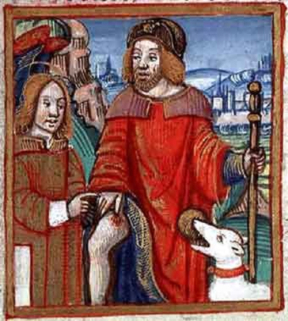
For the art historian, a thorough study of works of art, their creators and the environment in which they were produced, as well as their significance then and now, is a specialised endeavour. This, nevertheless, does not exhaust the presentation of art to contemporaries, least of all in the context...
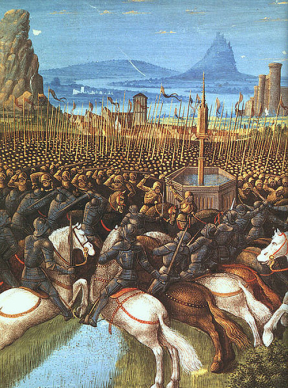
Professor Malcolm Barber explores the rise and fall of the Knights Templars. "The master of the Temple was a good knight and stout-hearted, but he mistreated all other people as he was too overweening. He would not place any credence in the advice of the master of the Hospital, Brother...
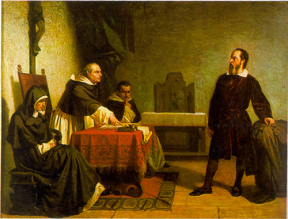
Helen Rawlings reviews the recent literature which has prompted a fundamental reappraisal of the Spanish Inquisition. The Spanish Inquisition — first established in 1478 in Castile under Queen Isabella I and suppressed in 1834 by Queen Isabella II — has left its indelible mark on the whole course of Spain’s...