
Britain & Ireland
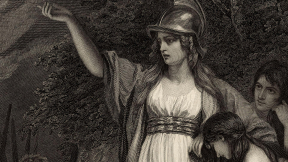
In this fascinating talk from our recent Britain and the Romans course, Professor William Bowden examines the evidence for the life of Boudicca, exploring what archaeology and classical sources can – and cannot – tell us about one of Roman Britain's most iconic figures. By separating evidence from conjecture, the...
This short course looks at the Roman arrival, settlement and legacy of the Roman presence in Britain. It also explores the writings by those who visited the island during that period and how the politics of Empire and leadership fed into wider Roman society. Closing talks will also look at...
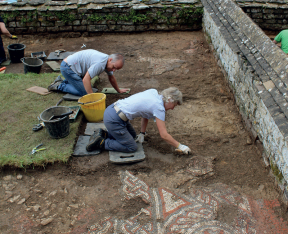
It has been assumed for a long time that sub-Roman Britain, the period between the Romans leaving the island in the early fifth century and the settlement of the Anglo-Saxons in the sixth century, was a period of rapid cultural and economic decline. Recent archaeological discoveries at Chedworth Villa in...
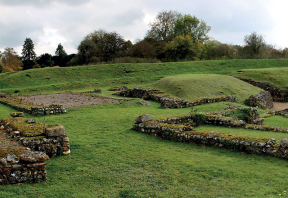
In this article, based on a prize winning essay for the Historical Association’s Young Historian competition, Alice Finnie explores aspects of the important Roman town of Verulamium, on the site of the modern city of St Albans. Her focus is on five stones that survive from the Roman period. She...
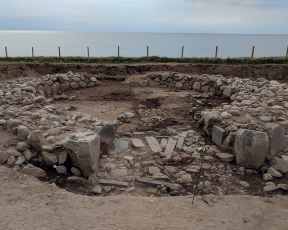
Major archaeological projects can be complex affairs, in terms of their funding, governance and the wide range of historical and technological expertise they require. Here National Trust archaeologist Kathy Laws describes the intricacies and successes of a multi-organisational project at an Iron Age site in north Wales. The challenges of...
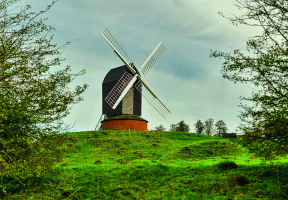
In this article Josephine Glover discusses the long history of her ‘favourite history place’, the Buckinghamshire village of Brill. She explains how there has been a human settlement there since Mesolithic times. Using various fragments of evidence, she pieces together the extent to which the village was important to early...
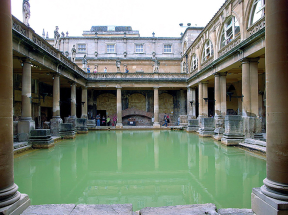
Eleri Cousins explores the dynamics of Romano-British religion at the sanctuary at Bath. What do you think of when you think of Roman Bath? Most of us probably think of, well, the Baths – in particular the iconic image of the Great Bath, with its Roman swimming basin and its...
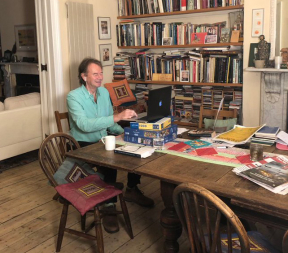
Michael Wood opened the summer lecture series for the HA virtual Branch on the Making of Early England. In it he introduced key characters and texts that help to establish the cultural past of that time and also reveal to us what we know of it. These people included overlooked...
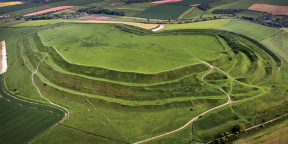
In the six years I have been on the editorial board of The Historian I have enjoyed reading about many historians’ favourite places so it is fitting that I write my last contribution about mine. Maiden Castle is the largest Celtic hill fort in southern Europe. I forget when I...
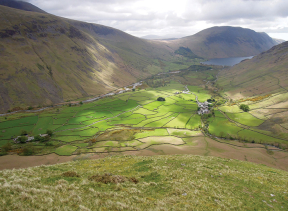
The art of landscape spotting – identifying and interpreting visible archaeological features in the countryside – is an accessible, enlightening and fun way to explore our past. By finding these clues in the fields, roads, hedges and hills around us, we can start to piece together the biography of a...
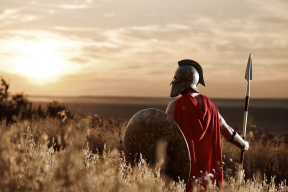
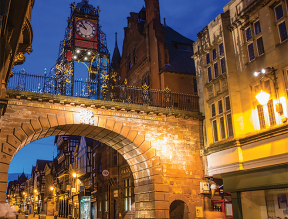
This ‘aide memoire’ to Chester’s local history has been prepared to enable 2019 Annual Conference delegates – and other visitors – to gain a ‘flavour’ of what Chester has to offer. A visitor to Chester encounters the bustle and excitement of a busy cathedral city but behind this façade lies...
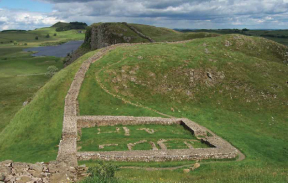
Choosing Hadrian’s Wall as one of my favourite places is a bit of a cheat, really, as it is a 73-mile-long (80 Roman miles) wall punctuated with a whole range of 20 individual sites each worth a visit; from mile castles and forts to desolate sections with fabulous views or...
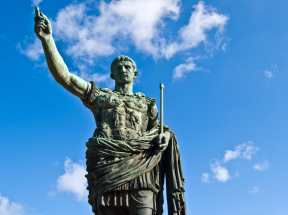
A personal reflection on Julius Caesar and the conquest of Britain Julius Caesar always brings to mind the famous dictum of Winston Churchill, ‘History will be kind to me, for I shall write it!' In his writings Julius Caesar provides a vivid and detailed account of his invasions of Britain...
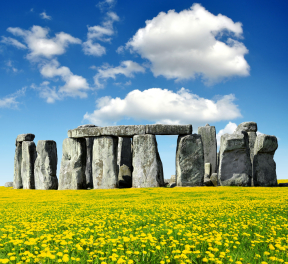
In this podcast Professor Richard Bradley of the University of Reading looks at Britain and Ireland from their prehistoric beginnings to the arrival of the Romans.
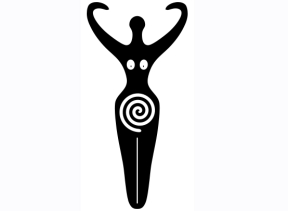
In this podcast Professor Ronald Hutton of the University of Bristol looks at Ancient British and Irish Pagan Religion.
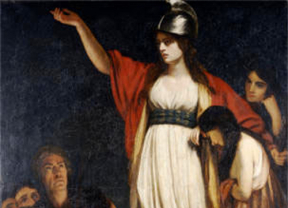
This classic pamphlet provides an introduction to Roman Britain, examines the political history, the institutions of Roman Britain, the economic background and the end of Roman Britain. IntroductionThe Roman conquest and occupation of Britain has long been taken as the conventional starting point of English History, and there is a...
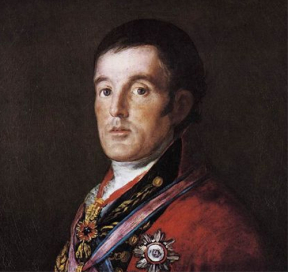
We can do all kinds of things with the past - examine it analytically, or question whether it ever existed, or churn it up inside ourselves until it turns into personal experience. We can dream it as we lounge amidst a heap of ruins, or petrify it into a museum;...
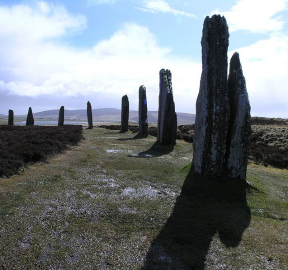
Prehistory is an attempt to reconstruct the story of human societies inhabiting a given region before the full historical record opens there. Its data, furnished by archaeology, are the constructions members of such societies erected and the durable objects they made. The events which should form its subject matter naturally...
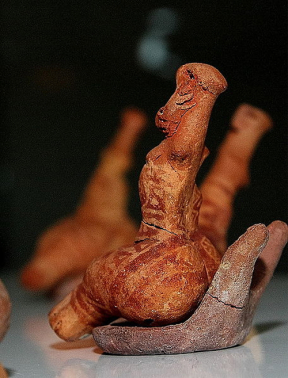
This period is represented in the valley of the Bristol Avon by the Acheulian industries, named from the type station of St. Acheul in the Somme valley, which has yielded many ovate and pear-shaped hand-axes characteristic of the period. These industries flourished during the very long Second Interglacial phase, a...