Europe
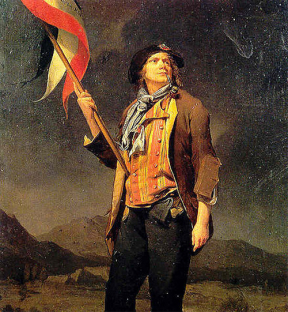
For most of the last two centuries, historical interpretations of the French Revolution have focused on its place in a grand narrative of modernity. For the most ‘counter-revolutionary' writers, the Revolution showed why modernity was to be resisted - destroying traditional institutions and disrupting all that was valuable in an...
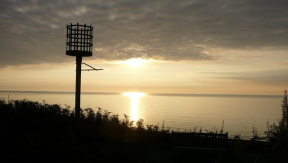
The precise role of Devon's militia during summer 1588 has, until recently, been shrouded by the recurrent tendency of historians to misinterpret the primary function of the militias in the southern maritime counties. The basic idea put forward has been that their main role during the Armada crisis was to...
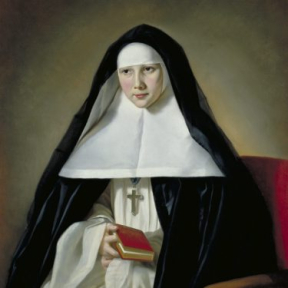
An HA Public History Podcast featuring Dr Andrew Foster and Dr Caroline Bowden discussing the project: Who were the Nuns? A Prosopographical study of the English Convents in exile 1600-1800. 'Who were the Nuns?' is a funded project at Queen Mary, Universty of London that has been making a comprehensive...
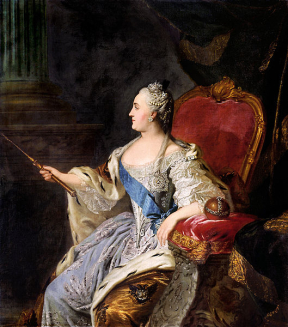
This pamphlet covers the often confused concept of Enlightened Despotism (also known as Enlightened Absolutism). The essential nature of Enlightened Despotism and its origin are discussed, as well as the development and character of Enlightened Despotism in various governments, followed by a judgement of its' achievements and significance. Catherine the...
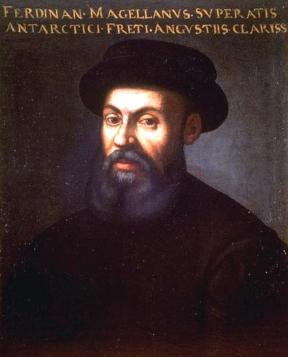
This pamphlet covers a very large period of history in a very important region with great detail and focus. Themes that are covered include the transition of power and dominance in the pacific region, the conflicts that frequently arose in the struggle for pacific dominance throughout the centuries, as well...
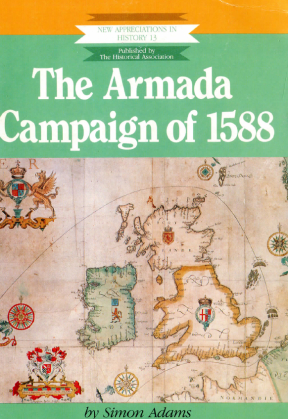
Between 1585 and 1588 a state of undeclared war existed between England and Spain. During the course of those years, Philip II devised a plan for the 'Enterprise of England'. It was probably the most ambitious military operation of the sixteenth century: a massive invasion to be mounted jointly by...
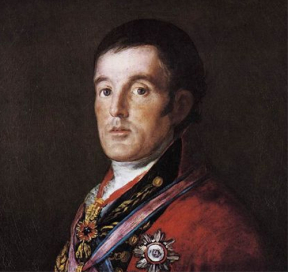
We can do all kinds of things with the past - examine it analytically, or question whether it ever existed, or churn it up inside ourselves until it turns into personal experience. We can dream it as we lounge amidst a heap of ruins, or petrify it into a museum;...
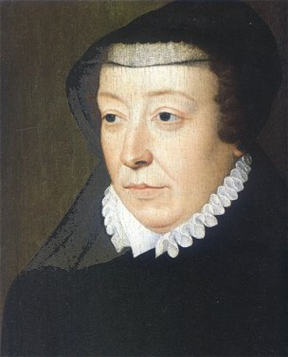
Catherine de Medici is one of the most controversial figures of the early modern period. Her name has come to symbolize her age and both have long retained an exceptionally powerful emotive force. Consequently they have attracted many writers primarily seeking to apportion blame for the sombre events of the...
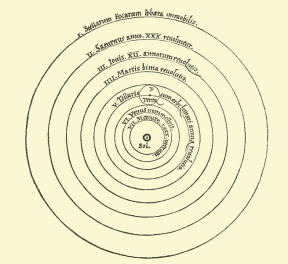
During the past four centuries, the processes of nature have come to be viewed in a new light through the progressive acquisition of the systematized, verifiable knowledge that we call science. The associated advances in technology have profoundly affected the circumstances of our daily lives, and have revolutionised the mutual...
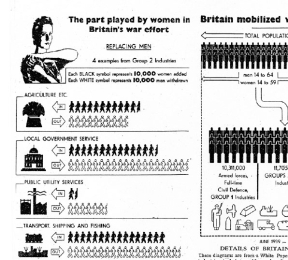
One of the gifts of the social sciences to history is the use of expository diagrams; but attention is rarely given to the history of diagrams. Maps - schematized representations of locations in spatial relation to one another - can be dated back to Babylonia in the late third millennium...
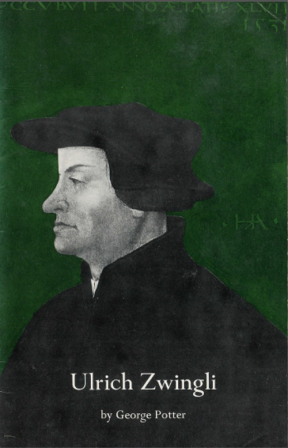
The Reformation of the sixteenth century has many sides, and not the least significant of these is the contribution from Switzerland. How under the leadership of Zwingli, Zurich, Berne, Basle and St Gall broke away from Rome, how this led to civil war, how and why agreement with the German...
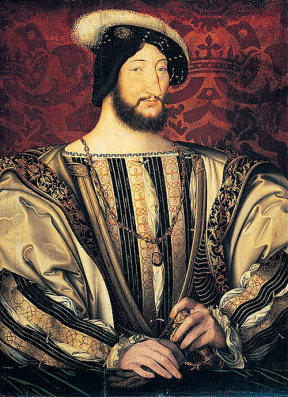
Francis I of France reign lasted for more than thirty years and coincided with movements as significant as the Renaissance and the Reformation. Text-books are apt to gloss over the domestic history of France before the outbreak of the Wars of Religion and convey the impression that Francis was more...
The society of Jesus, formally approved by Pope Paul III in his bull Regimini Militantis Ecclesiae of September 1540, was one of many new religious orders of men and women - such as Barnabites, Capuchins, Oratorians, Piarists and Vincentians among the male orders, and Daughters and Sisters of Charity, Ursulines,...
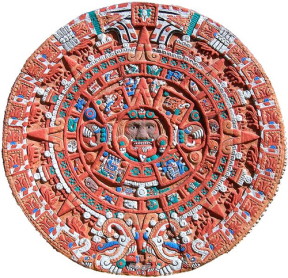
When the Spanish Conquistadores arrived in Mexico during the early sixteenth century there were many repercussions for the indigenous people. Their conversion to Christianity and the sacking of their temples are two of the most well known examples. However, it is often forgotten that the Aztecs had only a pictorial...

The late Frank Ellis was working on a full biography of John Wilmot, earl of Rochester, at the time of his death in 2007. He had contributed a life of Wilmot to the Oxford Dictionary of National Biography which appeared in 2004. In it he wrote that ‘on 21 November...
The pattern of overseas trade is always in movement: new commodities are constantly appearing, old ones fading into unimportance, different trading partners coming to the fore-front. But between the latter end of the sixteenth and the second half of the eighteenth century, change took specially far reaching forms. In 1570...
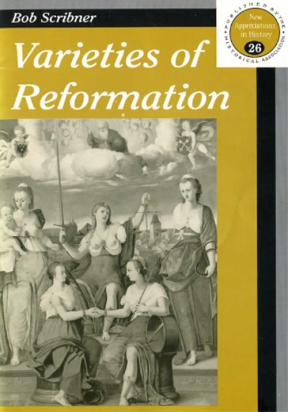
The most significant change to have occurred in our view of the Reformation in recent years is the growing acknowledgement of historians that it was no unitary phenomenon whose triumph was assured and inevitable. What we refer to in short-hand as ‘the' Reformation was a many-sided affair which began with...
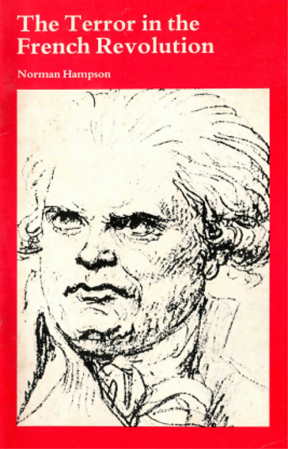
A natural reaction to the history of the French Revolution is to see it as a glorious movement for liberty which somehow ‘went wrong', ending in a nightmare of blood and chaos. This pamphlet explains what really happened, and why. It shows how the apparent achievements of the first two...
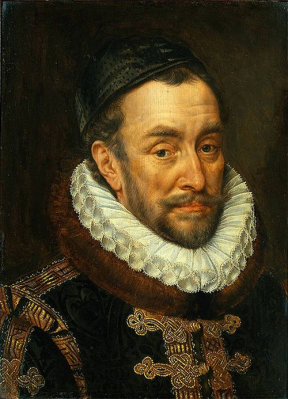
The Revolt of the Netherlands was the most successful of all uprisings in early modern Europe and had far reaching effects on the course of Dutch and European history. In accounting for its outcome recent research has emphasized the significance of impersonal forces of political, economic or religious nature rather...