
Britain & Ireland
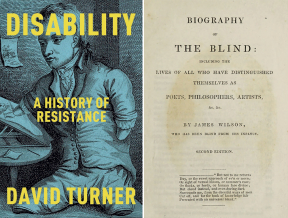
Disabled people have always been present in Britain’s past. Yet they have often appeared only at the edge of historical narratives: as recipients of charity, as objects of medical attention, as casualties of war or work, or as figures in stories told by institutions rather than by themselves. In Disability:...
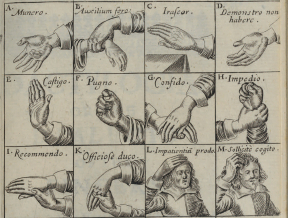
In the pre-modern world, the ability to speak and to hear were fundamental to participation in civil society. How, then, could prelingual deaf people survive and thrive? Rosamund Oates, author of the recently published Silent Histories: Deafness in Early Modern England, charts the long struggle for the recognition of sign...
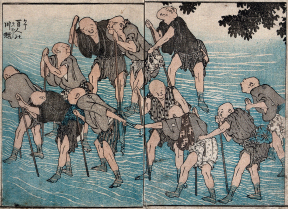
Expansion into new periods and places, new revelations of human diversity and difference, and a rethink of the tools we use to recover the past – disability history is not just thriving but is also exciting, as Daniel Blackie and Alexia Moncrieff demonstrate in their update on the state of...
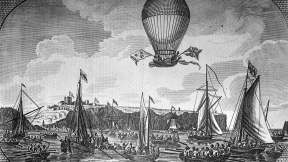
The coast means something different to everyone. It’s a place of pleasure and reckless pursuits, of fishing, fearless endeavours and a crashing, rugged beauty. The coast is, and always has been, Britain's first line of defence and springboard to other cultures. In this talk public historian Sally Coulthard delves into...
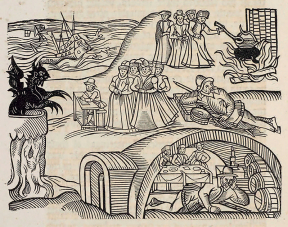
During the European witch craze, visual art played a powerful role in shaping belief in witches. The printing press allowed images of witchcraft to circulate widely, amplifying fear and suspicion. In this article, Natasha Brockman explores how such imagery did more than illustrate witchcraft: it helped create it, teaching people...
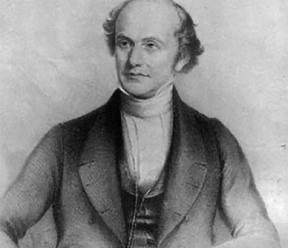
Our series ‘Real Lives’ seeks to put the story of the ordinary person into our great historical narrative. If you have any people that you think might also fit this category and would like to write about them, please do contact: martin.hoare@history.org.uk Alexander Stewart’s life combined hardship, resilience and moral...
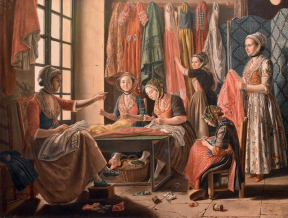
Traditional histories of the East India Company have had a focus on the largely male characters who were involved as merchants, politicians and soldiers. Here Karin Doull considers the significance of the women who were part of the company’s story, discussing some of the issues encountered in researching and retelling...
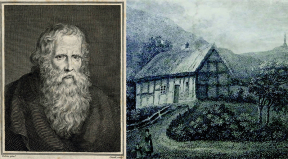
Our series ‘Real Lives’ seeks to put the story of the ordinary person into our great historical narrative. If you have any people that you think might also fit this category and would like to write about them, please do contact: martin.hoare@history.org.uk In this article, Dexter Plato tells us about...
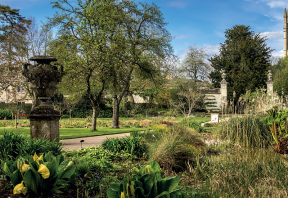
The Oxford Botanic Garden was Britain’s first botanic garden and is world-renowned. Mia Andreasen, who knows it well, explores why they have been so successful and how they reflect not only plant life but also the global history of the past 400 years.
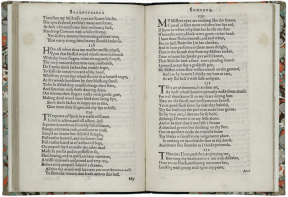
From the ancient Mediterranean to the shelves of twenty-first century pharmacies and cosmetic counters, cold cream has a long history. In this article, Farhana Qayoom Shaikh explores how Galen’s simple formula for treating skin complaints transitioned over the centuries into a luxury beauty product.
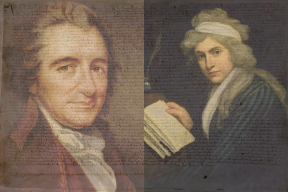
From royal courts to radical protests, from industrial revolutions to global empires – this compelling new film series traces the dramatic evolution of power, rights, and freedom across three centuries of British and Irish history. We will trace Britain and Ireland’s transformation from 1714 to 2010, unpacking power struggles, social...
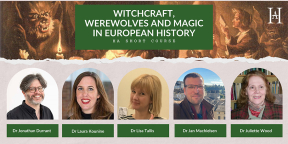
This self-guided short course provides an introduction to European witchcraft history from the fifteenth century to the present. Using a range of primary sources, the course explores important themes and questions relating to witchcraft history, examining how witchcraft has been imagined and understood at different times and in different places,...
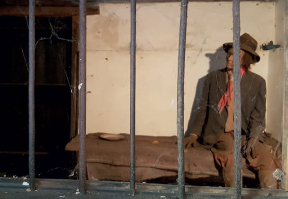
If you are arrested for a crime today, you will very likely be taken to a police station and locked in a cell while officers decide if they have enough evidence to charge you. But have you ever wondered what happened to criminals and other disorderly folk – roughs, drunks...
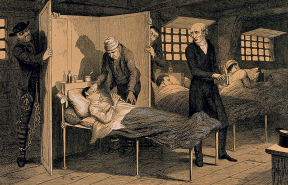
Hulks – former naval ships used as prisons for those convicted of serious crime and sentenced to transportation – were intended to be a temporary solution to a penal crisis caused by the American Revolutionary Wars. These ‘schools of vice’, or ‘floating hells’ lasted 80 years, casting a shadow over...
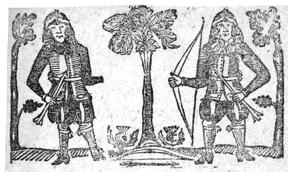
James Macpherson led a notorious gang of robbers in late seventeenth-century Scotland, and he became infamous for robbing rich lairds to give to the poor. Anne-Marie Kilday explains how his notoriety is also significant for revealing how people in early modern Scotland could hold complex attitudes towards the Gypsy Roma...
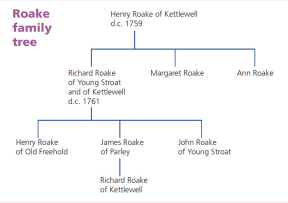
Manorial records are often associated with the medieval period, and while they are a valuable resource for medieval historians, they actually span from the twelfth to the twentieth century. Sarah Pettyfer sheds light on these often-overlooked records, helping family and local historians explore them with confidence...
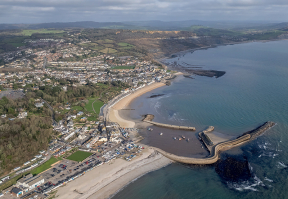
Explore Lyme Regis’ past as John Davis guides you on a historical trail through the iconic seaside town...
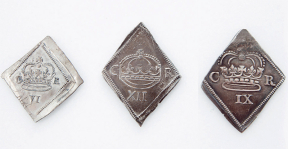
We asked some of Britain’s leading museums and archives what object in their collections best exemplifies the reign of Charles I and why. Join Alden Gregory, Jessica Evershed, Mike Webb, Denise Greany, Glyn Hughes and Kevin Winter as they discuss some prominent objects and places in their collections and the...
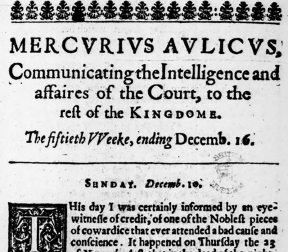
In this article, Chris R. Langley discusses the sources we use to reconstruct the life and times of Charles I. He explains how historians can use a wide range of sources in creative ways to understand different aspects of political, cultural and religious change in the mid-seventeenth century...
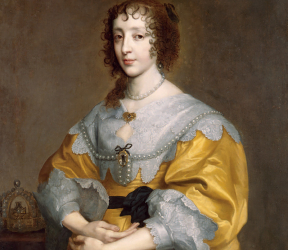
Aristocratic women at the court of Queen Henrietta Maria from 1625–69 were integral to court life and actively involved in royal service; in court family networks; in dispensing and seeking patronage; and, in political and religious politics. As Sara J. Wolfson shows, it is important to study women at the...