
Britain & Ireland
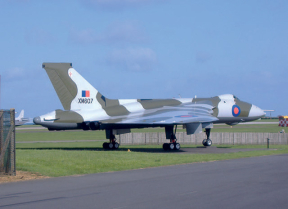
History Abridged: This feature seeks to take a person, event or period and abridge, or focus on, an important event or detail that can get lost in the big picture. See all History Abridged articles Just as the Naval Task Force had been dispatched in April 1982, days after the...
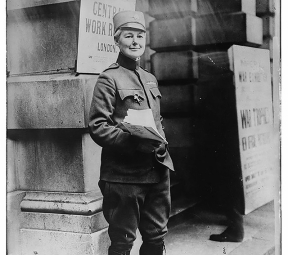
Our series ‘Real Lives’ seeks to put the story of the ordinary person into our great historical narrative. We are all part of the rich fabric of the communities in which we live and we are affected to greater and lesser degrees by the big events that happen on a...
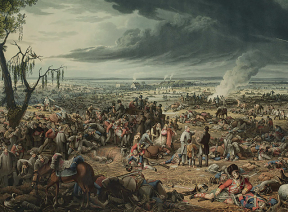
Michael Crumplin traces developments in surgery that can be directly attributed to changes in the conduct of war. Little doubt exists that war accelerates and innovates medical care. Today, our armed services can rely upon sound medical treatment if they are sick or wounded, with survival rates of above 90%....
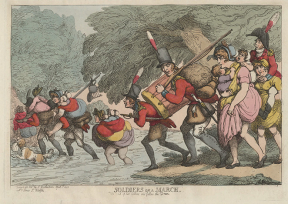
Charles J. Esdaile throws light on a vital part of a field army that receives little study, the ‘baggage train’. The subject of the involvement of women’s involvement in warfare is one that over the past 20 years has become increasingly fashionable, and there is, therefore, a growing literature on...
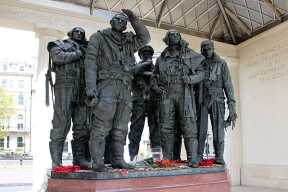
Frances Houghton examines how and why the popular memory of the Second World War continues to be contested. Early on the morning of Monday 21 January 2019, still-wet white gloss paint was discovered to have been thrown across the Bomber Command Memorial in London’s Green Park. The bronze sculpture of...
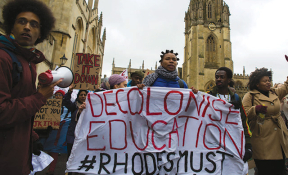
Decolonisation is a contested term. When first used in 1952, it referred to a political event: a colony gaining independence; it has since come to describe a process. When, where and why this process began, however, and whether it has ended, are all fiercely debated. Is it about new flags...
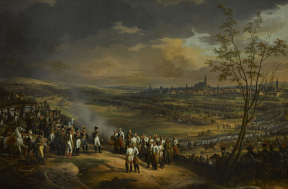
In this podcast Dr Louise Carter critically examines the role of women in Britain during the French Revolution. During these wars, women were typically called on for army cooking, laundry, nursing and spying, and as such were considered part of the war machine. While women in the French wars accounted...
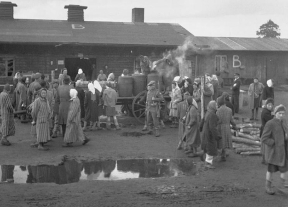
Holocaust Memorial Day (HMD) takes place on 27 January each year, the date in 1945 when the Soviet army entered Auschwitz and liberated more than 7,000 remaining prisoners. It is a time to remember the millions of people murdered during the Holocaust, under Nazi Persecution and in the genocides which...
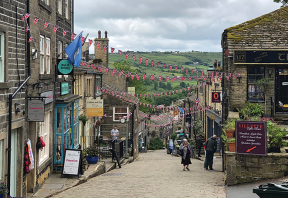
Kimberley Braxton takes a tour of Brontë country, through Haworth and onto the iconic Yorkshire Moors that were central to Wuthering Heights. Haworth is a place for walkers; even before you reach the breathtaking moors it is likely your legs will already be burning from climbing the steep Yorkshire terrain....
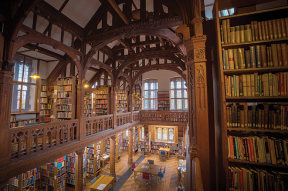
When I first visited Gladstone’s residential library in 1977 for a pre-university History degree reading week, I barely knew who Gladstone was. I had just come back from a holiday in Italy and the contrast between Florence and Hawarden, a Welsh border town, was startling. I came from the sunny...
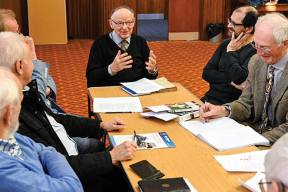
When members of the Glasgow and West of Scotland Branch were invited to share their views on ‘Books that Changed History’, not all the contributions were as overtly revolutionary as Thomas Paine’s Common Sense nor as familiar as the King James Bible. Marie Davidson and Richard Binns tell us more....
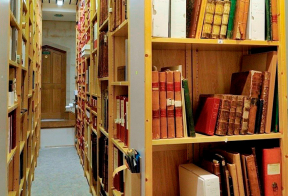
Last month the Georgian Papers Programme released a new virtual exhibition available online. Exploring the myth and reality of the alleged ‘madness of King George III’, the exhibition is an interesting step in examining the past and exploring its relevance for contemporary discourses. Entitled ‘George III: the Eighteenth Century’s Most...
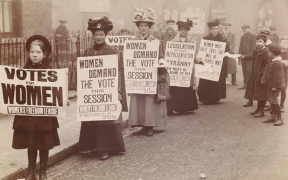
When, as a researcher, I was asked to take part in the Historical Association’s Suffrage Resources project and to populate the database for it, I jumped at the chance. Who wouldn’t? It offered the opportunity to delve into the archives, reaching back in time to the symbolic beginnings of the...
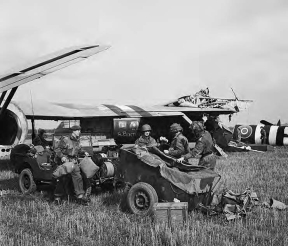
2019 has been quite a year for historical anniversaries – Peterloo 200, D-Day 75, Monte Cassino 75, Women MPs 100 years, Apollo Moon Landings 50 years and all following on the tail of four years of the First World War centenary – and that is not counting the anniversaries that...
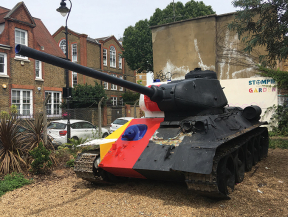
The HA's very own Martin Hoare takes us on a tour of Kennington and Elephant and Castle, to some lesser-known gems that ought to be higher on the London tourist trail. Over the years of working for the HA I’ve quite often used my lunch break to take walks around...
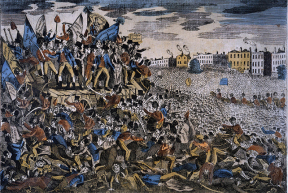
Robert Poole, historical consultant to the ‘Peterloo 200’ commemorations in and around Manchester over the summer, explores the latest research into those tragic events of August 1819 and their significance in the road to democracy. On Monday 16 August 1819 troops under the authority of the Lancashire and Cheshire magistrates...
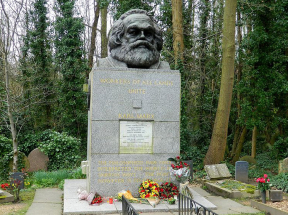
The recent attacks on Karl Marx’s grave in Highgate Cemetery have added impetus to the public debate about how we memorialise the dead and the public and private costs of mourning.
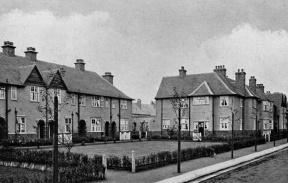
Hugh Gault reminds us that the provision of adequate and price-accessible housing stock has been a matter of public debate and concern for over a hundred years. Economics and financial priorities have continued to undermine the methodologies and good intentions needed to solve the problem. This year is the hundredth...
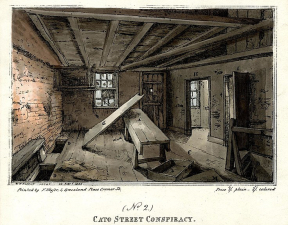
Richard A. Gaunt reminds us that it is still possible to visit the site of a notorious conspiratorial challenge to Lord Liverpool’s government, and why this event was so significant. At around 7.30pm on Wednesday 23 February 1820, a dozen Bow Street Runners in plain clothes, led by George Thomas...
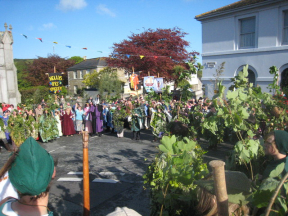
Trevor James raises the prospect of broadening our approaches to local history to take a wider European perspective. When Professor W. G. Hoskins published his The Making of the English Landscape in 1955, he taught us how to observe and understand the topography of our landscapes, urban and rural, and...