
Curriculum Support     Foundation Stage & Key Stage 1         Planning             General             Cross Curricular             Local History             Chronological Understanding             Outside the classroom             Developing enquiries         Progression & Assessment         Enquiries         Classroom Resources     Key Stage 2         Planning             General             Local History             Chronological Understanding             Outside the classroom             Developing enquiries             Cross Curricular         Progression & Assessment         Enquiries         Classroom Resources         Transition KS2-KS3     Primary History resources         The Stone Age to the Iron Age         Ancient Civilisations             Greece             Rome             Egypt             Sumer & Mesopotamia             Shang Dynasty             Indus             Persia         Roman Britain         The Anglo-Saxons, Vikings & the Normans         Local Study         World Study             Africa             Central & South America             The Middle East             Asia         Individuals & Events         Living Memory         Beyond 1066             Chronology             Big Picture History             The Victorians             Britain since 1930             Crime and Punishment             Science & Industry             The Tudors         Connecting Classrooms through Global Learning         Primary classroom posters         Assessment         Lessons & Exemplars             Teaching Methods & Leading Primary History             Exemplars & Study Units             Lessons - Key Stage 1             Lessons - Britain since the 1930s             Lessons - The World Wars             Lessons - Tudors & Stuarts             Ancient Greece, Egypt, Sumeria & the Aztecs             Lessons - The Victorians             Lessons - Urban Spaces             Lessons - Romans, Anglo-Saxons and Vikings     Curriculum Issues         Planning             Developing enquiries             Whole School             Inclusion             Local history             Outside the classroom         Interpretations         Change and continuity         Causation         Significance         Chronological Understanding         Inclusion         Using Sources         Similarity & difference         Diversity         Big Picture         Controversial issues         Literacy     Schemes of Work         EYFS & Key Stage 1         Key Stage 2

Transition KS2-KS3

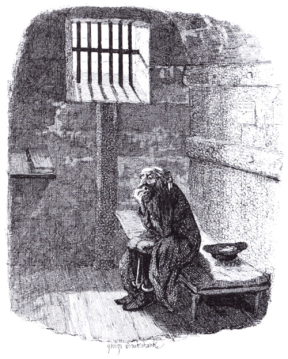
Please note: this resource pre-dates the 2014 National Curriculum. This unit centres on Victorian crime and punishment. This resource is free to everyone. For access to hundreds of other high-quality resources by primary history experts along with free or discounted CPD and membership of a thriving community of teachers and...

Please note: this resource pre-dates the 2014 National Curriculum. This unit centres on ways of portraying life in Victorian Britain. While factual knowledge of aspects of Victorian life in Britain are a vital component of the unit, the main focus is on exploring the way living museums present the period,...
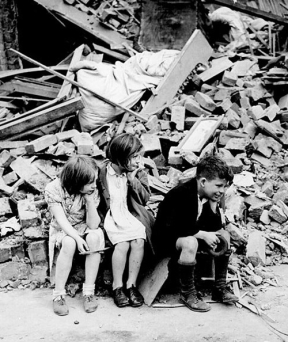
Please note: this resource pre-dates the 2014 National Curriculum. This unit centres on the evacuation of children during the second world war. While the factual knowledge of evacuation is an essential component of the unit, the main focus is on exploring the varied feelings and experiences of children sent to...

The project was steered and edited on behalf of the Historical Association by Andrew Wrenn, General Adviser for History, Cambridgeshire Advisory Service. It was funded by the Innovation Unit of the Department for Education and Skills.
Please note: this article pre-dates the 2014 National Curriculum and some content may be outdated The last edition of Primary History published the first part of the report on the KS2 to KS3 transitions project. Part 1 illuminated the first four of produced eight key ideas or guiding principles for...
Please note: this article was written before the the 2014 National Curriculum and some content may now be outdated. Robert Guyver describes a model for teaching Boudicca’s rebellion to pupils aged 7 to 13. Drawing on the tradition of critical source evaluation, he nonetheless shuns aspects of that tradition in...