
Using Sources
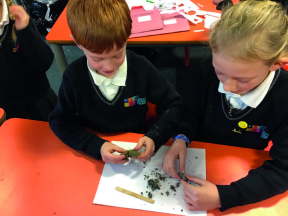
Jenny uses her experience and expertise from a school committed to using museum education to outline ways in which artefacts can be used effectively in primary settings. This article is based on practice at Langley Heritage Primary Academy. She outlines some of the challenges and how practice was refined, including...
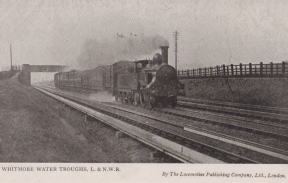
Local history is fascinating, but finding interesting, authentic resources can be challenging. In this article, James P. Bowen gives practical advice about how to source a local history project, setting this in the context of Baldwin’s Gate in North Staffordshire – a valuable guide for anyone devising a local history...
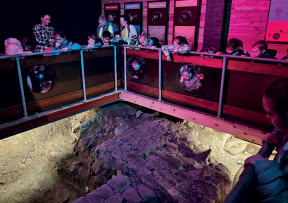
Lindsay Marshall is a primary school teacher and subject leader for history in a primary school on the Wirral. She has embedded the use of artefacts throughout her school’s curriculum. In this article Lindsay outlines the importance of allowing children to ‘get up close and personal’ with history in order...
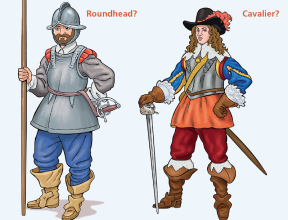
Denise Greany and Andrew Hopper show how to make the British Civil Wars of the mid-seventeenth century readily accessible to primary-aged children by focusing on the experiences of people who lived through these tumultuous times.
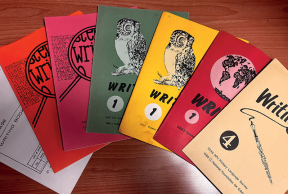
This article is free to everyone. For access to hundreds of other high-quality resources by primary history experts along with free or discounted CPD and membership of a thriving community of teachers and subject leaders, join the Historical Association today In this article, we explore examples of children’s writing, from...
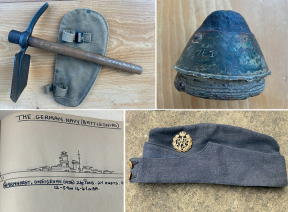
The well-known children’s historical fiction author Tom Palmer relates how he uses artefacts as an important element in encouraging children to read and engage with history. The examples are from the First and Second World Wars, but artefacts from any period can make an excellent stimulus as well as an...
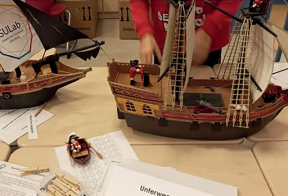
This article describes how children in a German primary school explored some documents from the early modern period (seventeenth and eighteenth centuries) relating to the capture of merchant vessels. It makes use of a digital resource ‘The Prize Papers’ linked to the National Archives and found here: www.prizepapers.de The article...
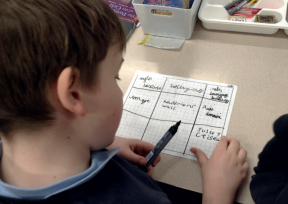
Lindsey Rawes has provided a range of activities which she uses with children to engage them in developing their historical knowledge and understanding. She has included retrieval practice, engaging children as detectives when looking at artefacts, and evaluating the understanding of historical questions through card sorts, considering similarities and differences,...
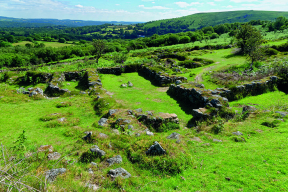
In this article Tim Lomas illustrates how it is valid and creative to go beyond some of the most popular sources used by primary history teachers. He looks at a number of historical enquiries and questions that might be considered as a theme and some sources that might be used....
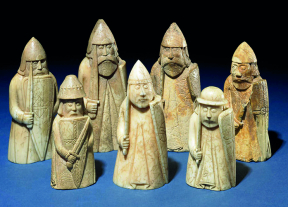
In this timely article, Ailsa Fidler and Chris Russell explore the use of sources and evidence in the teaching of primary history. Referring to Ofsted’s history subject report (July 2023), Ailsa and Chris explore how sources can be used effectively in the classroom and how children’s understanding of the role...
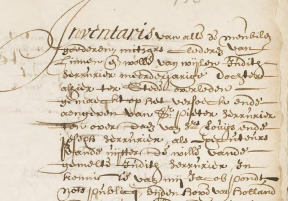
Continuing the focus on using historical sources, this article by Clare Lally introduces us to the use of historical inventories. Using examples from the Tudor period, Clare considers how inventories can be used to explore diversity of experience between rich and poor. At every stage of historical enquiry, from primary...
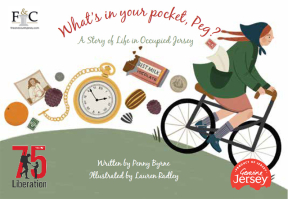
What’s in your pocket, Peg? is a story book about Jersey which experienced German occupation throughout most of World War II. We wanted to create a book that appealed to children across different primary age groups, helping them to imagine the first-hand life experiences of a child alive at that...
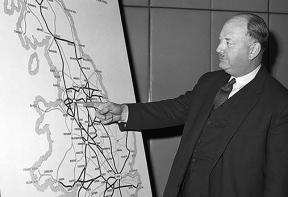
March 2023 sees the anniversary of a report that had profound significance on social history and which affected many parts of the United Kingdom. There is every chance that it had an effect close to your school especially if you are in a more rural or coastal area. The Beeching...
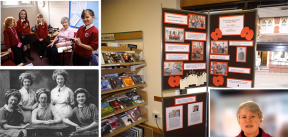
The Oral History Society has kindly agreed to produce two new films aimed at history teachers who are new to carrying out or using oral histories either in their teaching or with students. These two films will equip teachers with the essential tools and knowledge for using and devising effective...
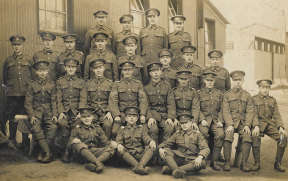
A visit to a local war memorial to coincide with Remembrance Day leaves a lasting legacy. Every year, groups of primary school children visit a war memorial in their town and village or local church, and increasingly benefit from educational visits to sites of remembrance such as the National Memorial...
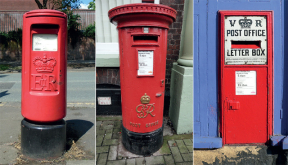
Alf Wilkinson uses an everyday object found near you – a post box – to develop your children’s history skills. Look carefully at the picture. It is a familiar object in the neighbourhood. It is a postbox – there will be one (or more) near you. Go out and look...
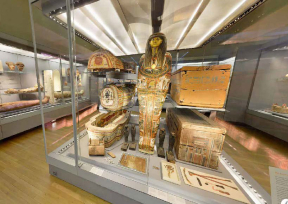
It’s a safe bet that ancient Egypt is one of the most exciting topics on the primary history curriculum. But that can come with misunderstandings of a complex 3,000-year-long history and an accomplished group of people, embedded by the sensationalised, gory, and othering approach often shown when ancient Egypt features...
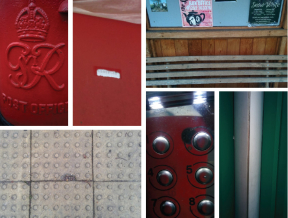
One of the many amazing things about History is that it can be found in everything; even the smallest or most mundane objects can provide an insight into how life has changed or provide a greater understanding of a different period in time. Late October last year as the light...
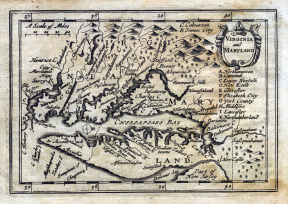
Maps tend to be more associated with geography but they have always been vital to history. This article focuses on the way maps have evolved in history, what they provide for the historian and ways in which they can be used when teaching primary history. A chronological account of the...
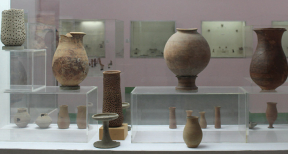
Since the great brick-built cities of Mohenjodaro and Harappa were first excavated in the early twentieth century, other large and thousands of small sites have been discovered. Clay was the raw material (bricks) for Indus architecture and everyday objects. Pottery was produced in industrial quantities on the foot wheel, an...