
Britain & Ireland
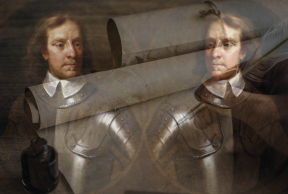
Oliver Cromwell’s death in 1658 sparked a period of unrivalled turmoil and confusion in English history. In less than two years, there were close to ten changes of government; rival armies of Englishmen faced each other across the Scottish border; and the Long Parliament was finally dissolved after two decades....
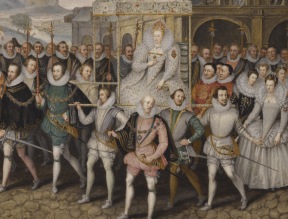
In this Virtual Branch talk Professor Emma Smith provides a preview of her current research, which explores the lives and cultural undercurrents of Elizabethan England. What was influencing their cultural tastes and how much of it was new, or had it all been seen before? Emma Smith is Professor of...
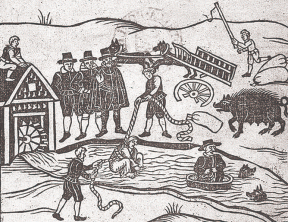
In this article, Dr Jonathan Durrant (Principal Lecturer in History, University of South Wales) argues that we know no more now than we did in the late 1980s about what witchcraft was as men and women of the early sixteenth century understood it. Dr Durrant looks at evidence from Henry...
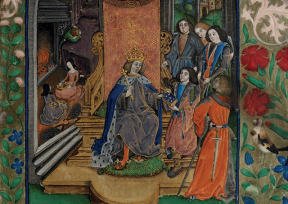
Joanna Hickson is a hugely successful novelist, specialising in historical fiction, and she describes herself as feeling that she actually lives in the fifteenth century. For readers of The Historian she explores and explains how she developed her understanding and knowledge of a highly significant Tudor woman who is a...
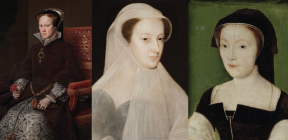
Gregory Gifford investigates the cultural issues raised by the sixteenth century‘s reigning queens. In 1877 when Sitting Bull led his Lakota people across the border into Canada, he told them they were entering ‘The land of The Grandmother’ – a wonderful phrase to express Queen Victoria’s matriarchal authority. Three hundred...
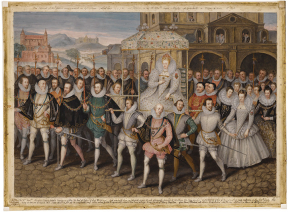
Tracy Borman examines the femininity of the Virgin Queen. Elizabeth I is often hailed as a feminist icon. Despite being the younger, forgotten daughter of Henry VIII with little hope of ever inheriting the throne, she became his longest-reigning and most successful heir by a country mile. In an age...
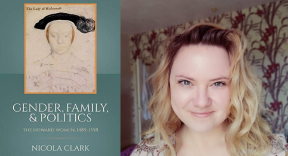
Every queen had ladies-in-waiting. Her confidantes and chaperones, they are the forgotten agents of the Tudor court. Experts at survival, negotiating the competing demands of their families and their queen, the ladies-in-waiting of Henry VIII’s wives were far more than decorative ‘extras’: they were serious political players who changed the...
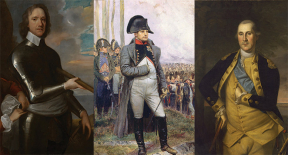
This article examines the aftermath of three epoch-making periods of change – the English, American, and French Revolutions. A comparison of the trio of military commanders who gained power as a direct consequence of these upheavals reveals how the very political radicalism which brought them to power also threatened to...
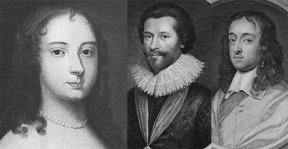
Sara Read introduces us to a woman who challenged expectations during the turbulent years of the early seventeenth century. In 1622 a pious young woman with a highly unusual first name, Brilliana Conway, sat at her desk doodling her signature on her commonplace book. She had lofty ambitions for her...
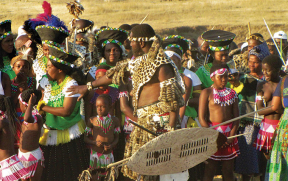
In this article, Nicolas Kinloch examines the 1964 film Zulu. He suggests what it might tell us about the reality of the British Empire and asks if it has anything to say about the era in which the film was made. One of the most successful British films of 1964...
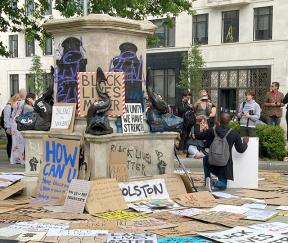
In the light of present-day concerns about the place, in a modern world, of statues commemorating figures whose roles in history are of debatable merit, Dr Gregory Gifford puts the British Empire on trial, presenting a balanced case both for and against. In June 2020 when the statue of slave-trader...
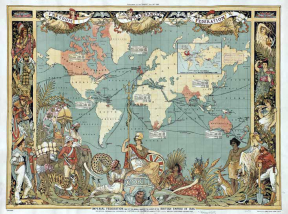
The murder of George Floyd during the summer of 2020 and the ongoing ‘culture war’ in Britain over the legacy of the British Empire have reignited interest in imperial history. This focuses, in particular, on the question of the empire’s impact on Britain itself: on how the act of conquering...
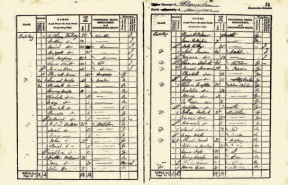
History Abridged: This feature seeks to take a person, event or period and abridge, or focus on, an important event or detail that can get lost in the big picture. Think Horrible Histories for grownups (without the songs and music). See all History Abridged articles Most of us are aware...
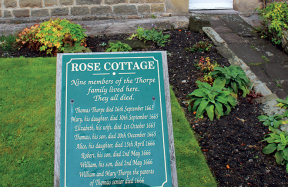
Richard Stone explores the self-sacrifice of a Seventeenth Century village during an epidemic. History shows us these ‘unprecedented times’ are not that far from previous historical experiences. Lockdown, quarantine, self-isolation, ‘second wave’, ‘third wave’, airborne disease, churches closed; the Covid-19 experience resonates with the plight of the villagers of Eyam,...
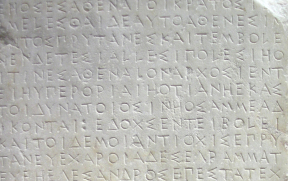
Public Museums, National Trust Properties and private homes across the UK contain thousands of antiquities deriving from the ancient Greek world. Many of these were obtained by those who ventured upon the Grand Tour, a cultural expedition to Europe undertaken by wealthy young men in the eighteenth and ninteteenth centuries....
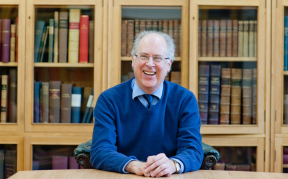
Professor Peter Mandler is the current president of the Historical Association. As part of our 'presidents season' for the HA Virtual Branch he gave a fascinating talk on The Origins of Mass Society: Speech, Sex and Drink in Urbanising Britain, 1780-1870. In this talk he explores the impact of the...
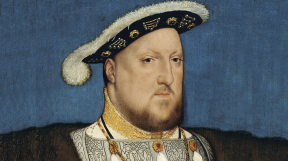
In this film, Tracy Borman, discusses the life and career of Henry VIII. Tracy examines how Henry VIII evolved from a pleasure loving prince, raised as Henry VII's 'spare heir', to becoming a king who would come to redefine England as a nation.
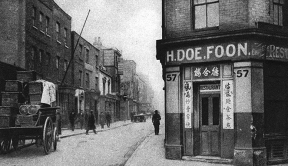
Panikos Panayi explores the way in which immigration has transformed British eating habits over the last two centuries, whether through the rise of the restaurant and the development of eating out, or the culinary revolution at home. Those people who voted to leave the European Union in 2016 because of...
Edward Washington explores the story of William Noah who was sentenced to death for burglary in 1797 at the age of 43. He, and two others, were found guilty of breaking and entering the dwelling-house of Cuthbert Hilton, on the night of the 13 February. From Newgate Prison he was...
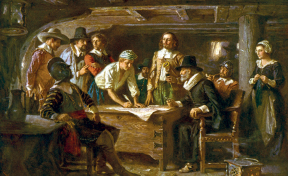
On the 400th anniversary of the arrival of the Pilgrims in New England on the Mayflower, Martyn Whittock explores the reasons for migration to the New World in 1620 and later, and the significance of those migrants, both at the time and their impact on the evolution of the USA...