
Britain & Ireland
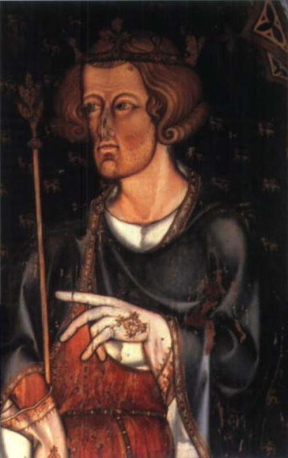
In an era when there are great debates about immigration and what constitutes nationality, Mark Ormrod introduces us to a new research database which reveals that immigration was an important feature of economic, cultural and political debate in the period 1330-1550... In the Middle Ages, the political configuration of the...
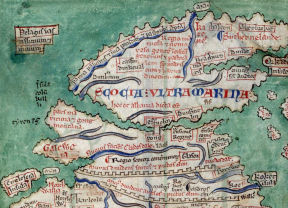
In this set of podcasts Professor Mark Ormrod of the University of York, Dr Alex Woolf, Dr Katie Stevenson & Professor Michael Brown of the University of St Andrews look at some key aspects of medieval Scottish history.
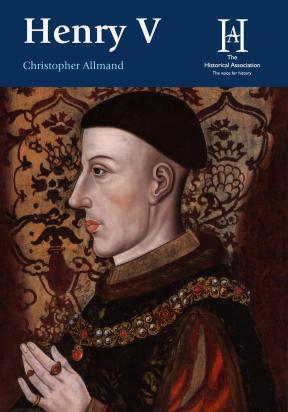
Christopher Allmand updates his earlier pamphlet on Henry V, taking into account research and ideas explored by historians over the last 50 years, to produce a much more rounded view of Henry V. The book is split into three parts - Henry V in history; Henry as he is viewed...
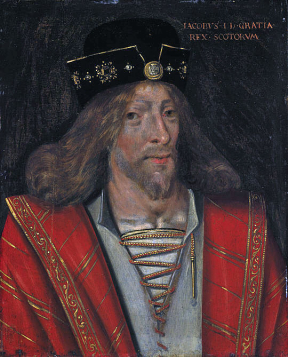
This booklet tells the story of James the first, with the events leading up to his capture and detailing the eighteen years spent in it. Balfour-Melville puts into writing the colourful, if not tragic, life of the capture and mere 13 year reign James. Brought alive in words, a King...
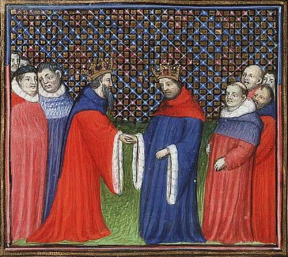
When Alexander II met his tragic death at Kinghorn in 1286, the event was speedily to put an end to the cordial relations which had prevailed for a hundred years between England and Scotland and to substitute chronic hostility for two and half centuries. Edward I, fresh from the conquest...
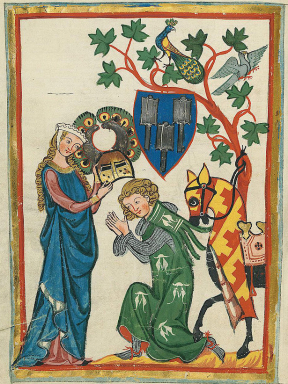
The year 1066 - the one universally remembered date in English history, so well-known that banks advise customers not to choose it as their PIN number - opened the country up to French influence in spectacular fashion. During the ‘long twelfth century' (up to King John's death in 1216) that...
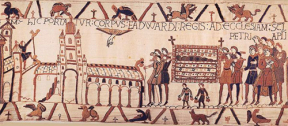
Bayeux, 23 kilometres west of Caen, was the first French town to be liberated in 1944 - on 7 June in fact, the day after the landings. Yet its origins go much further back than that: its first bishop was consecrated in the fourth century. It became part of Normandy...
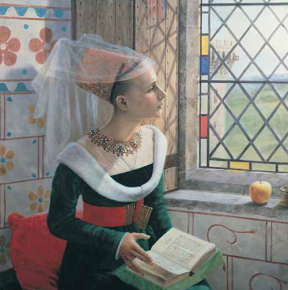
May I introduce you to Anne Herbert, Countess of Pembroke? I'm very fond of this modern imagined portrait by Graham Turner, partly because of the colour and detail but chiefly because it conveys a respect for the people who lived in the past and especially for Anne herself. My interest...
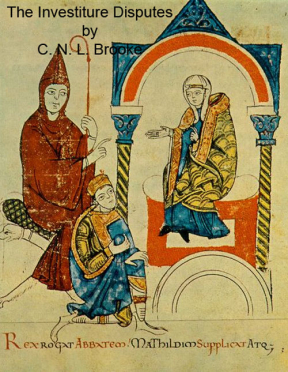
Historical labels are dictated by a wayward fashion; and the name which is still most commonly associated with the first struggle of Empire and Papacy (1076-1122). "The Investiture Disputes," is neither lucid or appropriate. It has been commoner for historians to name the great wars of history after the issues...
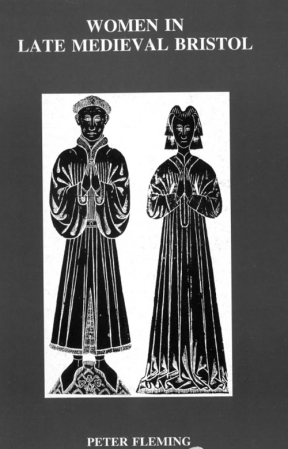
During the fourteenth and fifteenth centuries Bristol was one of England's greatest towns, with a population of perhaps 100,000 after the Black Death of 1348. Its status was recognised in 1373, with its creation as the realm's first provincial urban county, but only in 1542, with the creation of the...
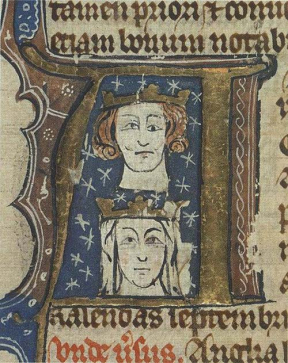
In the winter of 1235-6, Eleanor, the 12 year old daughter of Count Raymond-Berengar V of Provence and Beatrice of Savoy, left her native homeland. She travelled to England to marry King Henry III, a man 28 years her senior whom she had never met. The bride and her entourage...
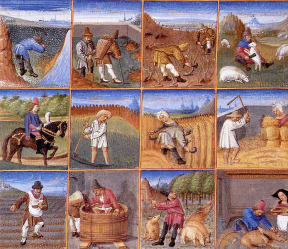
An HA Podcast with Professor Mark Ormrod of the University of York looking at the research project England's Immigrants 1330-1550. In this podcast Professor Ormrod explores the extensive archival evidence about the names, origins, occupations and households of a significant number of foreigners who chose to make their lives and...
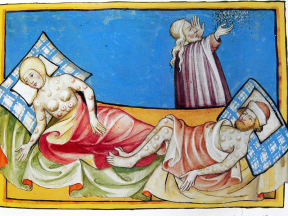
In this HA Podcast Ian Dawson looks at medicine during the medieval period.
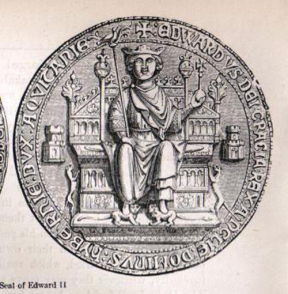
This essay forms part of a collection of three essays on Thirteenth Century England by Professor R. F. Treharne (President of the HA 1958-61). These were originally delivered as lectures and were later edited for publication by Dr C. H. Knowles. This essay looks at the rural scene in England...
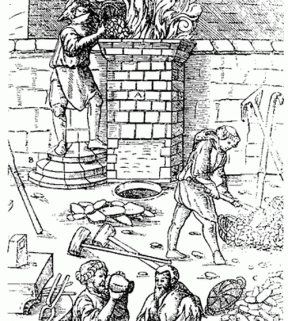
This essay forms part of a collection of three essays on Thirteenth Century England by Professor R. F. Treharne (President of the HA 1958-61). These were originally delivered as lectures and were later edited for publication by Dr C. H. Knowles. This essay looks at the industrial scene in England...
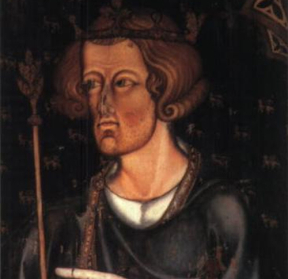
This essay forms part of a collection of three essays on Thirteenth Century England by Professor R. F. Treharne (President of the HA 1958-61). These were originally delivered as lectures and were later edited for publication by Dr C. H. Knowles. This essay looks at the political scene in England...
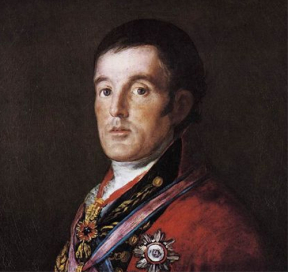
We can do all kinds of things with the past - examine it analytically, or question whether it ever existed, or churn it up inside ourselves until it turns into personal experience. We can dream it as we lounge amidst a heap of ruins, or petrify it into a museum;...
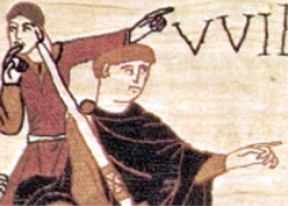
During his reign, and in particular in the five years after the battle of Hastings, William I carried out the most thorough reallocation of land in England ever to take place in so short a period of time; the results were summarized in Domesday Book in 1086.That great record shows...
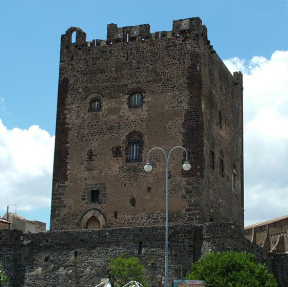
What I have done in preparing this lecture on the Norman Barons is to choose three or four important families, with one or two individuals. I shall try to describe their fortunes briefly to you, pick out what appear to be common characteristics and generalize them - not as conclusions,...
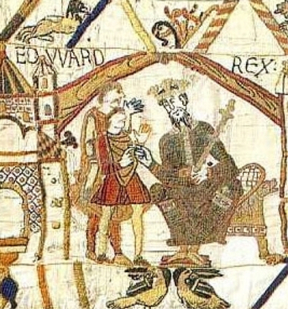
Nine hundred years have elapsed since the death of Edward the Confessor, the last English king descended directly from Cerdic, king of Wessex in the sixth century - and so from the pagan gods. Nine hundred years are a long time; and if Edward had been succeeded by a son,...