
Britain & Ireland
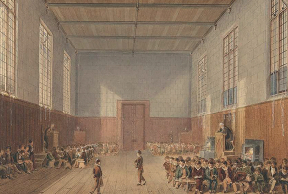
English public schools in the nineteenth century were training grounds not just for society’s elites but also for careers in Britain’s imperial service. In this article, Holly Hiscox explores the ways in which schools such as Rugby provided pupils with a miniature world of domestic and professional life which prepared...
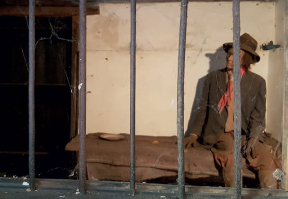
If you are arrested for a crime today, you will very likely be taken to a police station and locked in a cell while officers decide if they have enough evidence to charge you. But have you ever wondered what happened to criminals and other disorderly folk – roughs, drunks...
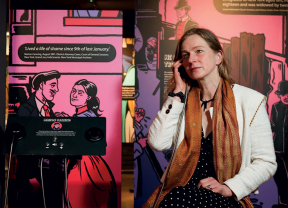
From the early nineteenth century until the First World War, millions of Irish women emigrated to North America in search of better lives. Elaine Farrell and Leanne McCormick, co-leads for the AHRC-funded Bad Bridget research project, tell us how poverty, discrimination, isolation from family as well as greed and opportunism...
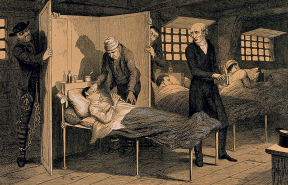
Hulks – former naval ships used as prisons for those convicted of serious crime and sentenced to transportation – were intended to be a temporary solution to a penal crisis caused by the American Revolutionary Wars. These ‘schools of vice’, or ‘floating hells’ lasted 80 years, casting a shadow over...
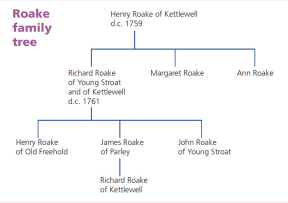
Manorial records are often associated with the medieval period, and while they are a valuable resource for medieval historians, they actually span from the twelfth to the twentieth century. Sarah Pettyfer sheds light on these often-overlooked records, helping family and local historians explore them with confidence...
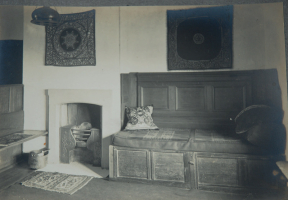
Our series ‘Real Lives’ seeks to put the story of the ordinary person into our great historical narrative. We are all part of the rich fabric of the communities in which we live and we are affected sto greater and lesser degrees by the big events that happen on a...
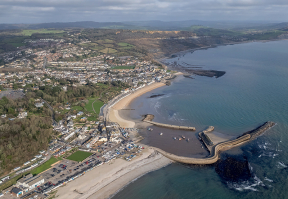
Explore Lyme Regis’ past as John Davis guides you on a historical trail through the iconic seaside town...
Kate Brooks’ interest in her family history led her to trace the life of her great grandfather, Joseph Lowe. His life story provides insights into 19th-century life, disease, orphanages, and child labour, but she also reflects on the ways in which the past can sometimes resonate with the present in...
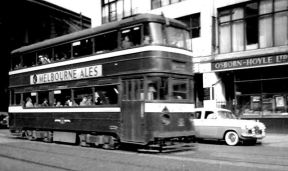
In an article based on his award-winning essay for the Young Historian competition, Christopher Barnett describes the development, decline and potential resurrection of West Yorkshire’s tram network...
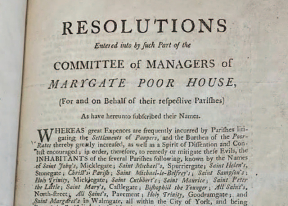
In this regular feature called Doing History, history enthusiasts describe a piece of research they have undertaken and how it sheds light on aspects of local and national history. Here Steve Barrett shows how his exploration of archives in York provided interesting insights into the controversial issue of poor relief,...
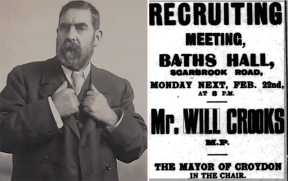
‘Your Country Needs You’ and other posters are still remembered today as a prominent vehicle by which men were encouraged to fight in the First World War. Virtually absent from the literature, however, is analysis of the impact of thousands of recruitment meetings and their speakers. Robert Bullard explores the...
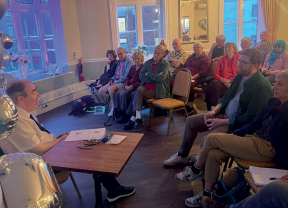
John Oliphant gives us the lowdown on the Historical Association’s new East Sussex Branch, describing the tribulations faced by its committee before a lecture on Oliver Cromwell in September 2024 marked a successful start to the new academic year...
Our series ‘Real Lives’ seeks to put the story of the ordinary person into our great historical narrative. We are all part of the rich fabric of the communities in which we live and we are affected to greater and lesser degrees by the big events that happen on a...
Red Lion Square was long one of London's most genteel addresses, home to nobles, scholars, and professionals. But on 25 March 1818, one house on the south side opened its doors to quite another class of person, as the Mendicity Society began its business. Set up to solve the growing...
Our series ‘Real Lives’ seeks to put the story of the ordinary person into our great historical narrative. We are all part of the rich fabric of the communities in which we live and we are affected to greater and lesser degrees by the big events that happen on a...
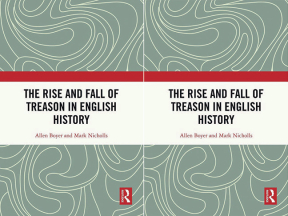
The Historian sat down with Mark Nicholls to discuss his latest book, The Rise and Fall of Treason in English History, co-authored with Allen Boyer, which charts the history of the law of treason from its origins to the present day...
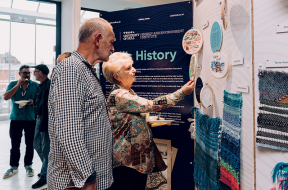
Incidents of flooding across the UK are increasing, threatening homes and livelihoods. In this article, Hannah Worthen and Briony McDonagh explain how they are using historic records of floods and flood management to engage communities in Hull in new conversations and to prompt vital action. Their project, Risky Cities, was...
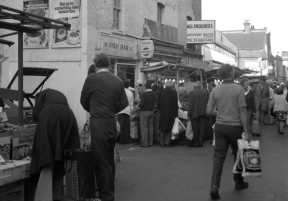
Urbanisation is a defining characteristic of the modern age in Britain. The physical construction and management of urban environments has consumed the attention of historians since the late 1960s. In this article, Lucy Faire and Denise McHugh turn their attention to the citizens’ sensory experience of the modern town and...
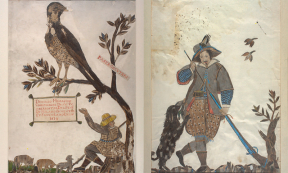
Artworks and objects from the past provide us with a compelling record of human interaction with the natural world. In this article, art historians Carla Benzan and Samuel Shaw explain how they are using collections from galleries and museums to bring environmental history to new audiences and to increase awareness...
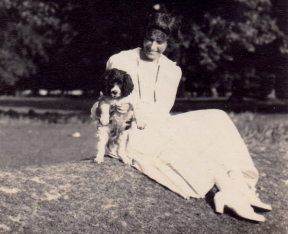
Our series ‘Real Lives’ seeks to put the story of the ordinary person into our great historical narrative. We are all part of the rich fabric of the communities in which we live and we are affected to greater and lesser degrees by the big events that happen on a...