
General

Introduction "So what did you do at school, today?" As a child, I remember being asked this question often by my good humoured, paternal grandfather, when he met me at the end of the day. On returning from the trenches in 1919, he had trained to become a teacher and...
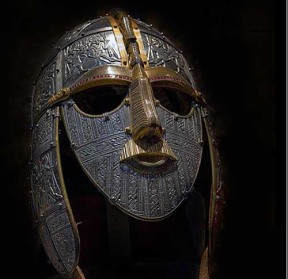
Please note: this article pre-dates the 2014 National Curriculum and some content may be outdated. ‘Would you like to go for a walk in the woods on the other side of the river? I asked my wife on a spring day in 1982. Happily she assented, and we drove off...
Please note: this article pre-dates the 2014 National Curriculum and some content may be outdated. History is a subject whose meaning is properly appreciated only in our maturity. In their old age we find those we consider wisest turning to Gibbon, Burckhardt, and Thucydides. The richness and endlessly elaborated meaning...
Please note: this article pre-dates the 2014 National Curriculum and some content may be outdated. History gives colour and vitality to the curriculum. There are just so many engaging things to do. Without history there wouldn't be so much fun; whether in handling objects such as: the old wooden toys,...
A successful schools system must have the capacity to harness the potential of all pupils. This means tailoring teaching so that every pupil makes strong, steady progress throughout their school lives. While we all agree that learners who are struggling need effective teaching and support, I am passionate that gifted...
Please note: this article pre-dates the current National Curriculum and some content may be outdated. In a recent article in Primary History Denis Hayes suggests that despite many lively ways of learning about the past, ‘history concepts will always be beyond both the experiential and conceptual reach of the youngest...

Please note: this resource pre-dates the 2014 National Curriculum and some content and links may be outdated. History education needs to be placed in a wider pattern of curriculum development. Part I of this paper looks at general issues linking History with citizenship education and the early years. Part 2...
Please note: this article pre-dates the current National Curriculum and some content, references and links are outdated. Tim Lomas describes a variety of learning activities that primary schools children enjoy.
We all agree that oral history is a particularly powerful and attractive method for children to gather evidence and appreciate the real life relevance of history. From the Early Years to Year 6, many of us look deliberately for the opportunities to bring a visitor into the classroom, who will...
Please note: this article pre-dates the current National Curriculum and some content and links may be outdated. For more current and recent articles see Using stories to support history in the EYFS and Time for a story. In this article we argue that children in the Foundation Stage should be...
Please note: this article pre-dates the 2014 National Curriculum - the content on Victorian toys (changes beyond living memory) is no longer relevant. In the last few years, opportunities for play in Key Stage 1 classrooms have been considerably reduced. Play is now often regulated to Friday afternoons and filling...
Please note: this article was written before the the 2014 National Curriculum and some content is now outdated. All teachers working within the foundation stage will, at some time, be using nursery rhymes in their classrooms. Their importance to early language development has long been acknowledged, particularly the way in...
History plays an important role in the development of young children’s understanding of their world. It can broaden children’s experiences beyond the immediate present, to a time in the past, which might be only a few years ago or which might extend much further back in time. ‘Tell me about...
Please note: this article pre-dates the 2014 National Curriculum. Early in July of this year I was involved in a meeting at BECTA in which a lively discussion took place about whether ICT should be a requirement, or not, in the teaching of history at KS1. As those participating included...