
General

This article explores how historical understanding can be developed with our very youngest children using a theme of families as a starting point. It considers all the age ranges identified within the Early Years Framework. It demonstrate how progression can be developed across those age ranges...
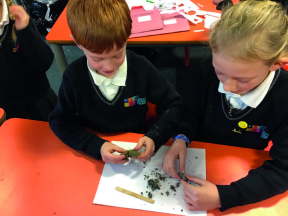
Jenny uses her experience and expertise from a school committed to using museum education to outline ways in which artefacts can be used effectively in primary settings. This article is based on practice at Langley Heritage Primary Academy. She outlines some of the challenges and how practice was refined, including...
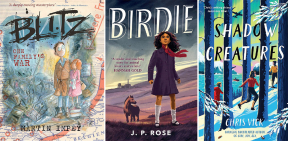
In this article, Steven Kenyon reminds us of the importance of historical fiction as part of good primary history. He examines its current role and, in this National Year of Reading, identifies a few of the best examples that can enhance the teaching of history, covering EYFS right up to...
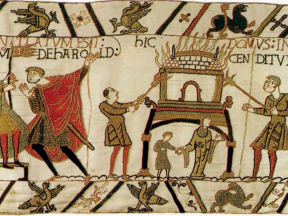
Recognising that most schools deliver history as separate units that are then divided into themes, Nick Mackintosh argues that this means a lack of a narrative thread, which can result in children struggling to analyse it effectively. A thematic history curriculum is much better at developing children’s understanding of chronology,...
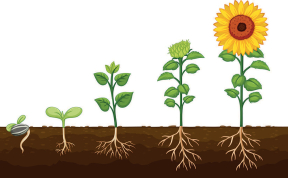
Mary Potts draws on actual practice at St Patrick’s School in Liverpool to show how a focus on growth using seeds can help EYFS children understand ideas relevant to historical understanding such as change over time. Such potentially complex ideas can be made much more comprehensible to young children through...
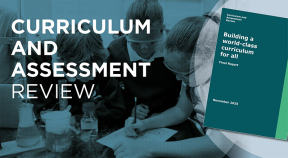
In 2024 the then new Labour government commissioned a full Curriculum and Assessment Review (CAR) led by Becky Francis. The Historical Association consulted our members and other key stakeholders in history education and contributed to the Review's call for evidence. You can find a summary of our response here. The...
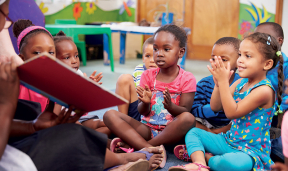
Children in nursery and reception classes do not, of course, learn history. They meet the subject for the first time when they start Year 1. However, what children learn – and how they learn – in EYFS is important for preparing them to learn history. This goes beyond building knowledge...
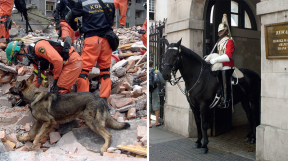
Remembrance Day is a useful time to explore with EYFS pupils the people who help us. But of course animals also play a part in human conflicts. This article explores animals who have helped us in wartime now and in the past. The article includes useful teaching ideas and picture...
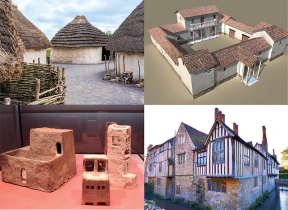
The term ‘golden threads’ has become increasingly part of primary history planning. It is often recommended as a means of avoiding curriculum atomisation and aiding retrieval. In this article Tim Lomas attempts to unpack what is meant by the term, what are some of the most popular ‘golden threads’ and...
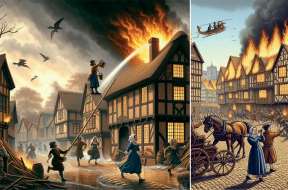
Teaching has embraced many revolutionary changes before: the photocopier, the calculator, the internet, even the smartboard! The Assistant Director-General of UNESCO (2023) though feels that these could pale into insignificance when compared to the rise of AI. This article looks at ways in which Generative AI might be used by...
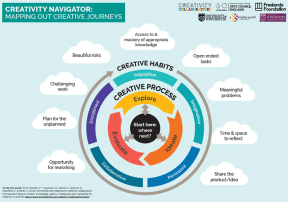
Ask anyone for a list of creative subjects in schools and it is unlikely that history will be top of that list. However, over the last two-and-a-half years we have been working as part of a Creativity Collaborative of schools that seeks to foster creativity across the whole curriculum, including...
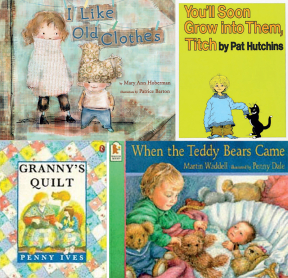
Lucy Hawker has thought about how we might begin to explore the idea of sustainability with very young children. She suggests focussing on why we might save or reuse materials and objects. She presents a loose structure that could be used to develop talk. She also considers how we might...
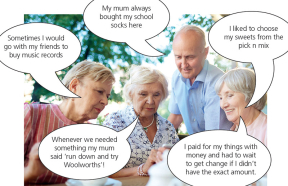
Karin Doull considers how we can develop historical thinking in the Early Years in this article about locality and place. Karin offers helpful suggestions for developing historical vocabulary and assessing understanding. How can we seek to encourage Foundation Stage children to engage with historical thinking and processes? What appears to...
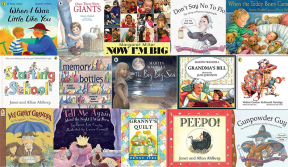
This article looks at the relevance of picture books in the Early Years Foundation Stage as a resource for introducing children to the idea of the past. Firstly examining its relevance to the Framework, Karin identifies some appropriate resources and how they can be used. In particular, she links them...
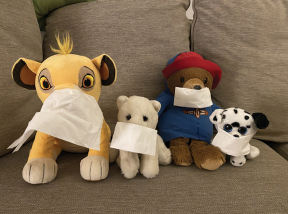
What happens to children’s play in a global pandemic? In 2020, as the Covid-19 pandemic was sweeping across the world, an interdisciplinary team of researchers from University College London and the University of Sheffield was beginning to plan a project to address this central question. We began with history in...
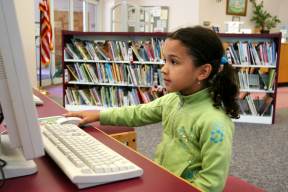
In the Early Years Foundation Stage children begin to learn that as they grow up they are increasingly able to do more things for themselves independently. This emerging knowledge and understanding can be used to explore crucial early historical skills. This resource is free to everyone. For access to hundreds...

This EYFS Medium Term Plan is based around the theme of Toys and Games. It is designed to give teachers and early years practitioners different starting points for learning about the past, across all areas of learning. The activities could be led with a whole class or as small group...
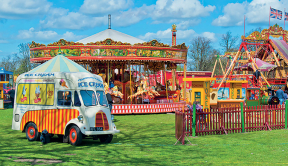
Alf Wilkinson outlines three activities looking at fairs past and present. We all enjoy a visit to the fair, don’t we? There’s always a bit of a buzz when the fair comes to town. In my village it arrives just in time for Feast Weekend, in the summer holidays. The...
As a subject leader you often have a lot on your plate and not always the time provided to do so. I have always been fortunate in that I have had support but I appreciate that in certain schools it can be difficult to fit everything in. Hopefully with this...
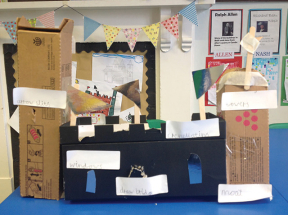
Why is pupil voice important? Children are at the centre of everything we do and safeguarding their well-being and ensuring their progress across the curriculum is a key emphasis for schools. Recognising the importance of pupil voice in this is key. Robin Alexander’s Towards Dialogic Teaching: Rethinking Classroom Talk (2017)...