
Developing enquiries
In this article, Rachel wrestles with one of the greatest challenges facing teachers. With the starting point maybe no more than a title or mass of content, how do you begin the process of formulating an exciting and worthwhile teaching programme? It aims to give some tips and ideas to...

An enquiry approach is becoming more popular for teaching many primary curriculum subjects. However, enquiry has always been the backbone of good history teaching. Knowing what constitutes a good historical enquiry and how to build one that will enable your pupils to get better at history is not as easy...
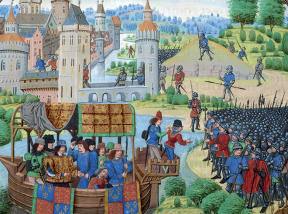
There is no question that the medieval period (no matter what timespan it claims) offers plenty of fascination for the primary pupil. It also allows some continuity with the period up to 1066 which forms the bedrock of the Key Stage 2 history curriculum. With opportunities to cover the medieval...
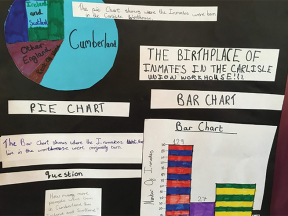
This article looks at how children can utilise and manipulate mathematical data to make sense of a historic past. The focus is on helping children see the numbers as a resource for understanding the experiences of those that lived in this place. Aim: Understand historical concepts such as continuity and...
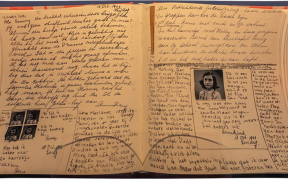
All too often Anne Frank becomes a symbol, used to show ‘the triumph of hope over evil’, even though she was killed during the Holocaust. Sometimes she is quoted utterly out of context to provide uplifting sentiments, or short phrases with redemptive messages. What this lesson sets out to do...
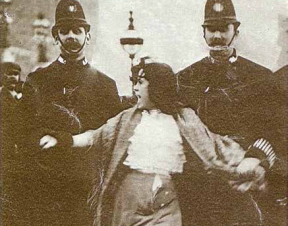
Dora Thewlis was born in 1890 in Yorkshire to a family of textile workers employed in the mills around the Huddersfield Canal. She followed her mother and elder siblings into the mill at the age of 10, earning around £1 a week. Dora’s family, and especially her mother, were very...
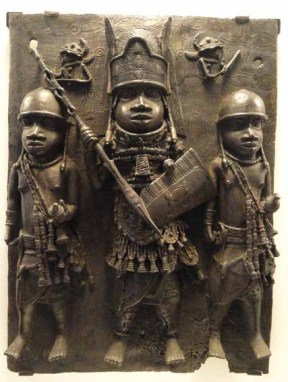
When deciding to teach the topic of Benin to my Year 5 pupils I was somewhat daunted by the fact that I had never taught it before, and I was determined that it be a meaningful experience which benefited their narrative, chronological and historical skills-based understanding of the subject. I...
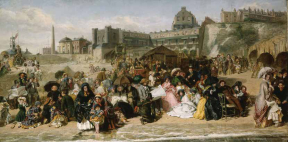
This article is about planning and teaching about ‘having fun across time’ for use in the later years of Key Stage 2 – investigating questions such as ‘Were people having fun in the same ways in the Middle Ages as in the Roman or Victorian periods?’ ‘What did our parents...
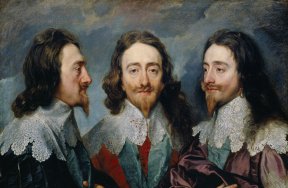
As a lecturer in education teaching humanities at Plymouth University, I spend my time encouraging student teachers to move away from writing lesson plans with a focus on research and recording, to creating lessons that are dynamic – engaging children in historical activities to develop a passion for history. Student...

Young children who automatically see shiny things as new no matter what their age, those who mix up technology from one age with another, those who dismiss people in the past as stupid because they did not have the possessions we have today, those who equate the age of a...
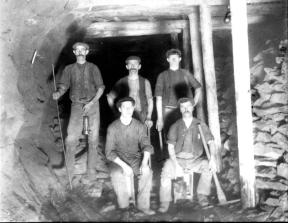
The history co-ordinator often finds some real challenges as well as opportunities in addressing local history in primary schools. The advantages are well rehearsed – making history relevant to the lives of the children and giving them an improved sense of identity and place through engagement with the ‘real thing’....

The current commemorations of the First World War have opened the door to some real opportunities for those teaching primary history – perhaps even considering taking children to the battlefields. Although this is customarily a secondary-school experience, this article outlines the opportunities for primary-age children. The suggestions here are based...
In recent times, it is easy to recognize that there has been a general move towards promoting outside activities across all manner of organizations and groups. For instance, organisations such as The National Trust and Ordnance Survey are keen to promote outdoor experiences in their literature. An online presence advocates...
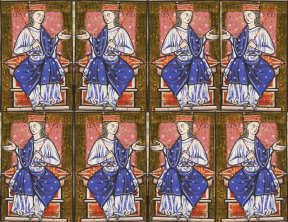
The Anglo-Saxon era is a diverse period that stretches across just over 650 years. Those we call Anglo-Saxons were not homogenous nor were their experiences. In AD 410 the Roman legions leave and the first Anglo-Saxon raiders appear. These pagan warrior bands would come to terrorise Romano-British settlements until, inevitably,...

Most pupils like history, but some struggle with aspects of reading and writing – how can we make history more accessible? This article explores some ways I have found useful in engaging pupils of all abilities. It will focus on activities that might be used in studying the Non-European Society...
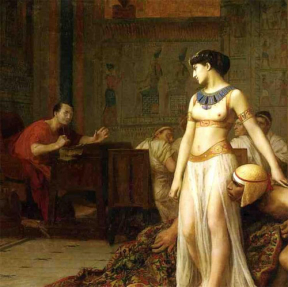
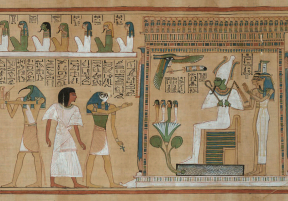
Ancient Egyptian civilisation is rich and mysterious with distinctive visual imagery and strange animal-headed gods. The exotic differences of the society have always intrigued the western imagination and so they continue to ensure that this is a popular unit with both teachers and children. There are plentiful resources with new...
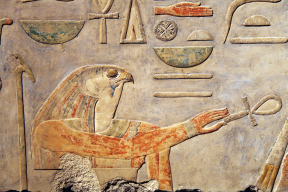
I will be honest – no child has actually asked me if the world was ever full of Ancient Egyptians! Having said that, by focusing on one part of the world, children are left with either this impression or the idea that nothing was happening elsewhere in the world. Clearly,...
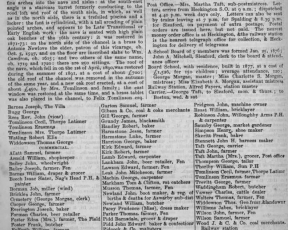
What is a trade directory? Trade directories are the equivalent of the telephone directory and the Yellow Pages. They were published on a county or city basis every year and contain detailed descriptions of every village and town in the county. They also contain pages and pages of advertisements, for...
The recent survey of history teaching in primary schools conducted by the Historical Association revealed that the majority of respondents felt that they were short of resources to teach the revised National Curriculum. Not surprisingly most schools look to find resources that do the job cheaply. It is a truism...

One of the requirements for Key Stage 2 history is for some history that extends beyond 1066. Various suggestions have been made including an examination of change within a social theme. The example given is Crime and Punishment but the opportunities for something interesting are vast. This article focuses on...