
Outside the classroom
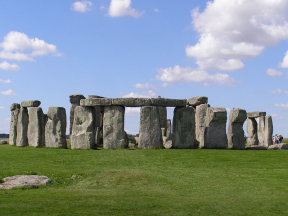
Stone Age to Iron Age covers around 10,000 years, between the last Ice Age and the coming of the Romans. Such a long period is difficult for children to imagine, but putting the children into a living time-line across the classroom might help. In one sense not a lot happens...
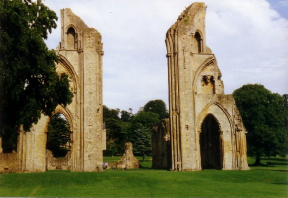
At Key Stage 1 children should learn about significant events, (e.g. the Great Fire of London) and about people and places in their locality. At Key Stage 2 they should learn about British settlement by Anglo-Saxons and Scots (e.g. Anglo-Saxon art and culture) and do a local history study (e.g....
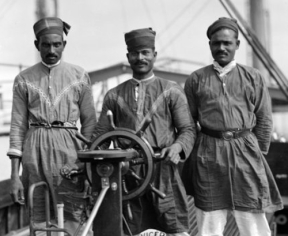
Teaching diversity through drama at the Museum of London: Stories of London people From Roman times to the present, London has been shaped by the diversity of its people. London is home to500 different nationalities, 300 different languages,14 major faiths and a host of other religions. The Museum of London...
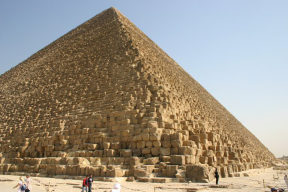
Ideally when teaching history, teachers will look to deliver projects that will engage and motivate, hopefully making the hard work of being creative stimulating and rewarding, based upon questioning, enquiry, investigation of sources and reaching conclusions grounded in the evidence.Ancient Egypt is one of those history topics which, because it...
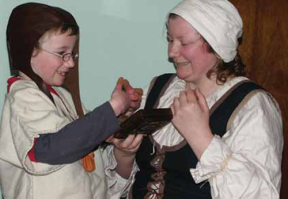
Editorial note: The role of ICT in the Digital Age is a major, perhaps even, the major factor, in enhancing creativity in the learning and teaching of history. This paper illuminates another dimension of ICT in the Digital Age and creativity. It shows how a teacher's creativity has produced a...
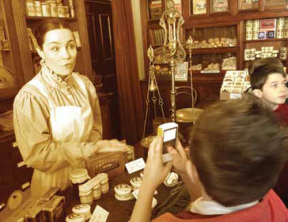
How do we engage young people with their Heritage, answer curriculum needs and make that big leap of transition from primary to secondary school that bit easier? English Heritage's Geosong treasure hunt website went some way to providing answers. What does the website do? Using handheld GPS devices, groups must...
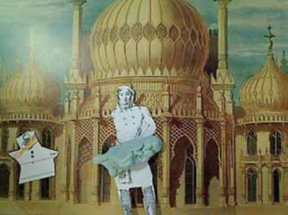
What do we mean by creativity?In the last few years there has been an emphasis on the ‘creative curriculum', ‘creativity' and ‘creative teaching and learning', but there has not always been a shared understanding of what this means. This article uses the definition from ‘Creativity - find it, promote it'...

Lessons for Sustainablility: From the Experiences of Early Primary Student Teachers Student teachers, local museums, libraries and art galleries. This article is based on the experiences of student teachers on a BA (Hons) Early Primary Education Programme, during their placements in local Museums, Libraries and Art Galleries. We asked students...

Since Ofsted published its 2012 new guidance for the inspection of schools, it seems that aspects such as visits will not be a high priority. What advice can I give to the senior management team in response to its pressure to avoid these kind of frills? Ofsted will judge the...

Visits off site are viewed with anticipation and expectancy. One of the first visits I arranged was in the summer term of my first year of teaching in Stroud, Gloucestershire. I thought this would be an excellent opportunity for the children in a lower junior class to explore a real...
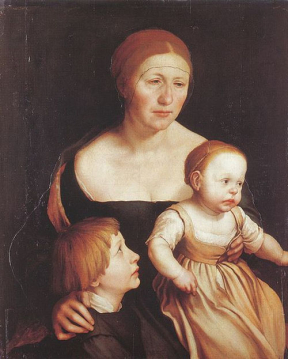
Introduction I imagine many people have memories of staring at a blank piece of paper - and wondering what to write.....and where to start? There are many questions to consider. How do children become eager and confident writers in the context of history? When is writing the best response, and...
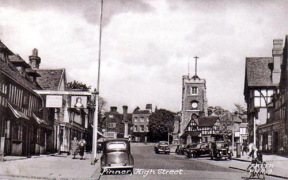
Please note: this article pre-dates the 2014 National Curriculum and some content may be outdated. History is an important aspect of the development of even very young children. They need to begin to develop the foundations of an understanding of the past and how it has developed and affected our...
Editorial note: This article introduces teachers to ss Great Britain as an artefactual teaching resource. It links closely to Teachers TV programmes, see page 30, and should be read in conjunction with them.
Please note: this article pre-dates the 2014 National Curriculum and some content may be outdated. If you have heard the excited buzz of voices as a class of children enters a museum you will be aware of their potential as inspiring learning spaces. Teaching in a museum context we see...
Please note: This article pre-dates the current National Curriculum; some content may be outdated and links may be broken. Urban spaces such as parks and gardens offer a range of opportunities for children's learning. In these green patches children can investigate, observe, wonder, record and create.
Please note: this article pre-dates the 2014 National Curriculum and some content may be outdated. In the autumn of 2009 I agreed to contribute to a project looking at how Saltaire village, Bradford could be developed as an educational site. This is a very popular site visited by many local...
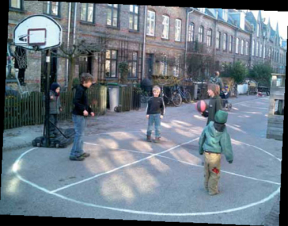
Please note: This article pre-dates the current National Curriculum and some content and references may be outdated. Why teach children about architecture and the built environment? Because they shape the future and because they already change our architecture and define the public realm everyday through their actions. Learning about architecture...
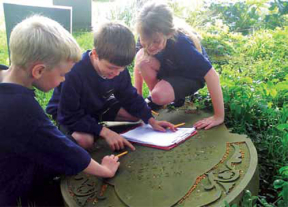
Please note: this article pre-dates the 2014 National Curriculum and some content may be outdated. As a headteacher, I want my teachers to plan high quality learning experiences for children. By ensuring that lessons are vibrant and exciting, and that stimulate that ‘inbuilt curiosity', we make sure that children encounter...
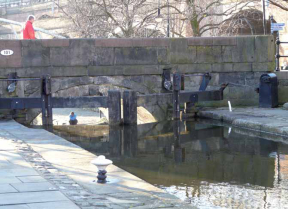
Please note: this article pre-dates the 2014 National Curriculum and some content may be outdated. A study of the local environment can make a vital contribution to children's sense of identity, their sense of place and the community in which they live. More importantly, a local study can enable children...
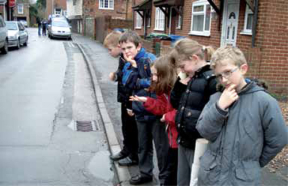
Please note: this article pre-dates the 2014 National Curriculum and some content may be outdated. This is a reflection on a project, set up with a variety of different thoughts about education in its widest sense. Or, to put it another way, a primary school teacher's record of a unique...