Local Study

The importance of local history for developing a sense of place and identity is emphasised by the National Curriculum. The local landscape and buildings can often reveal a great deal about the use of land and the type of people who lived there in the past. Buildings and landscape can reveal how long a heritage the place has had. Monuments and local heritage or parish records can highlight individual local heroes or provide a window into the lives of ordinary local people in times gone by. How similar or different were their lives? Often, the local picture can also help to reveal the national or international picture.

Sort by: Date (Newest first) | Title A-Z
Show: All | Articles | Podcasts | Multipage Articles
  • One of my favourite history places: Glastonbury

    Article

    Glastonbury, whether as a fleeting glimpse across the Somerset Levels from the M5, or up close and personal, walking within the town, holds a power that goes some way towards explaining why it has been of interest to so many people across its history. There are certain places that seem...

    Click to view
  • Teaching local history through a family

    Article

    The aim of this article is to teach local history through the prism of a local family. History is primarily about people. Using a family who lived in the locality over a large number of years, especially if they impacted considerably on that locality, can help develop an understanding of...

    Click to view
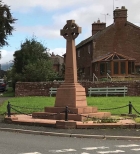
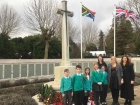
  • Using the back cover image: Lest We Forget

    Article

    Over the past four years the nation has been commemorating the centenary of the First World War. From soldiers, women, animals, technology and much more… we researched, filmed, documented and preserved. On 11 November, 100 years since the agreement to end hostilities, we commemorated the Armistice. But what can we...

    Click to view
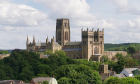
  • One of my favourite history places: Durham Cathedral

    Article

    The best thing about Durham Cathedral is how it impresses on every scale and from every viewpoint. As you approach the city by train, it looms over the skyline hugging the River Wear and even dwarfing its imposing neighbour, Durham Castle. When you finally make the steep walk up towards cathedral green, the building towers above...

    Click to view
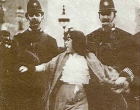
  • Dora Thewlis: Mill girl activist

    Article

    Dora Thewlis was born in 1890 in Yorkshire to a family of textile workers employed in the mills around the Huddersfield Canal. She followed her mother and elder siblings into the mill at the age of 10, earning around £1 a week. Dora’s family, and especially her mother, were very...

    Click to view
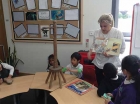
  • Using role-play to develop young children’s understanding of the past

    Article

    Unknown, interesting artefacts can really capture a child’s enthusiasm for learning. In the Foundation Stage, children want to use all their senses to explore and play with objects, and so the planning of practical, hands-on activities is important. The activities in this article were completed by Reception children in a...

    Click to view
  • How significant is the tragic story of the SS Mendi?

    Article

    Historical anniversaries and events are often in the news, commemorated locally and nationally. I have found that getting the children involved in topics relating to these can really help them feel the importance of their learning, help them to appreciate the past and feel a sense of responsibility – a...

    Click to view
  • What can you do with an old postcard?

    Article

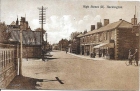
    Whether looking at ‘events in living memory’ at Key Stage 1, or a local history study at Key Stage 2, old postcards are extremely useful. They are also relatively cheap and easy to get hold of. One aspect that can easily be explored using old postcards is evidence - they are an...

    Click to view
  • M&S brings over 130 years of archives into your classroom

    Article

    There is something really magical about making your own discoveries. Investigating something sparked by your own curiosity and using your own skills of observation and deduction to find out more is exciting. Human beings have always wanted to find out about our history and our place in the world –...

    Click to view
  • One of my favourite history places: Fulham Palace

    Article

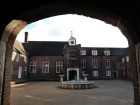
    In the south-west corner of London, nestled up against the Thames, lies Fulham Palace. This is a palace that was not for kings and queens but bishops, the princes of the church. This was the summer palace for the bishops of London which they retreated to when the heat and stench of the...

    Click to view
  • ‘Not again!’ - an additional viewpoint on using railways

    Article

    ‘Not again!’ I can remember my son muttering as his football thudded against the kitchen wall, ‘I went there in Year 2 and then in Year 4 and now I have to go there again in Year 6.’ He was referring to his school trips to the remains of the gunpowder factories in our village,...

    Click to view
  • Your Local Railway: a local history investigation in Key Stage 2

    Article

    In this article Tim Lomas discusses one of the best resourced themes you can find: your local railway. Railways make one of the best themes for a historical study. No place has ever been far from a railway station even if Dr Beeching wiped out one-third of the network in...

    Click to view
  • What confuses primary children in history...

    Article

    Young children who automatically see shiny things as new no matter what their age, those who mix up technology from one age with another, those who dismiss people in the past as stupid because they did not have the possessions we have today, those who equate the age of a...

    Click to view
  • Local history and a sense of identity

    Article

    The history co-ordinator often finds some real challenges as well as opportunities in addressing local history in primary schools. The advantages are well rehearsed – making history relevant to the lives of the children and giving them an improved sense of identity and place through engagement with the ‘real thing’....

    Click to view
  • Celebrate your sporting heritage

    Article

    National Sporting Heritage Day takes place on 30 September every year. It aims to support schools and other community organisations to engage withtheir local sporting heritage, explore the heritage on their doorstep, celebrate and share the information that they find and inspire children and young people to find out more....

    Click to view
  • Using original sources

    Article

    Why would I want those old books in my classroom? It has always been recognised that good primary history is able to connect the past with the world the children currently inhabit. That is why focusing on schools can be so useful. If there is one experience the children have...

    Click to view
  • What makes good local history?

    Article

    Everywhere has a past and learning how to capitalise on that for primary history can be both rewarding and challenging. Not only are aspects of the local area's history a requirement in their own right at both key stages, but these aspects can also help to tell the national story,...

    Click to view
  • Key Stage 1 local history through fresh eyes

    Article

    Upon approaching this article on teaching the local history component of the National Curriculum for Key Stage 1 I decided to focus on one school, to look at what they normally deliver, and to put forward suggestions that could be used to enhance their existing unit of study. I visited Pencoys...

    Click to view
  • What your local Archive Service can offer to schools

    Article

    Imagine a place where your pupils become detectives working on mysteries from the past such as the tale of Thomas Sargeant, a 15-year-old factory worker who died in a chemical works in 1898. Your local archive is bursting with stories about real people like this which can give children an...

    Click to view
  • Local People and Places in the Early Years

    Article

    Learning in the Early Years through Local People and Places: developing historical concepts in the Early Years Foundation Stage Using the local environment as a starting point for historical learning in EYFS not only helps young children engage and make learning meaningful and relevant, but also helps them develop a strong sense of identity. Working...

    Click to view