
Rome
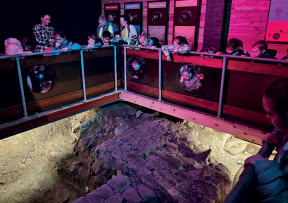
Lindsay Marshall is a primary school teacher and subject leader for history in a primary school on the Wirral. She has embedded the use of artefacts throughout her school’s curriculum. In this article Lindsay outlines the importance of allowing children to ‘get up close and personal’ with history in order...
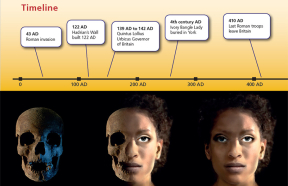
What comes into your mind when you imagine the Romans in Britain? Is it a soldier? Where did they come from? Your first thoughts – from looking at textbooks and re-enactments – might be that they came from Italy. Alf Wilkinson challenges this image and shows that they included men...
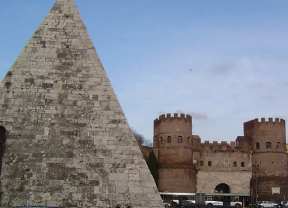
Miss, did the Romans build pyramids? No Johnny, I think you are confusing the Romans with the Egyptians. Actually, Miss, the Romans did build pyramids – well, at least one – and you can still see it in Rome today! The pyramid, which is 37 metres [or 125 Roman feet]...
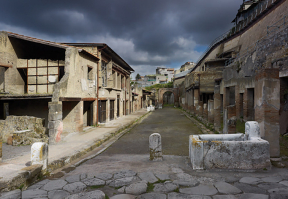
‘The ashes now began to fall upon us, though in no great quantity. I looked back; a dense dark mist seemed to be following us, spreading itself over the country like a cloud … We had scarcely sat down when night came upon us not such as we have when...
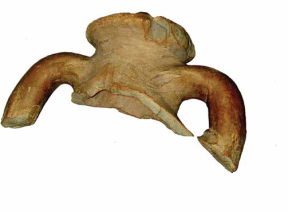
How do we make connections with past lives through authentic artefacts? My research evidence suggests that pupils do not really like having to imagine they are an evacuee or a Roman (for example), but do like engaging with and thinking about the reality of past lives. It has been surprising...
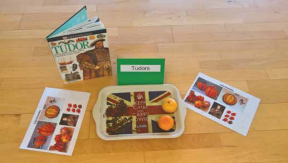
Timelines are a constant source of fascination. Rows of events and time periods all jostling for position on an eternal line, cramming together or strung out with wide gaps between them. In our primary classrooms, however, the vastness of timelines can be diminished as we crop them on computers and...
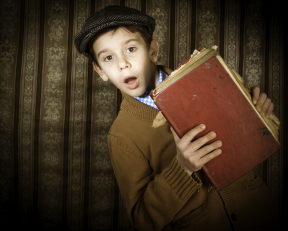
Children can be introduced to the idea that educating children has a long history with many changes over time, sometimes with turning points and significant developments. This unit examines some ideas about change, e.g. the pace and nature of change, the impact of change and continuity. It draws upon content...
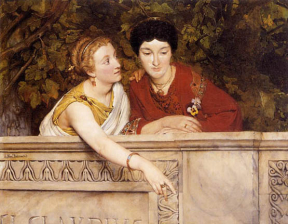
In this series of podcasts Dr Richard Hawley of Royal Holloway, University of London looks at the history of women in Ancient Greece and Rome.
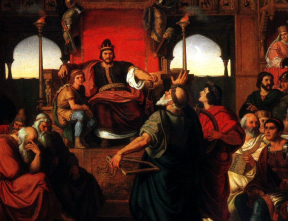
In this series of podcasts Professor Peter Heather of King's College London looks at the history of the Goths, the Huns, the division of the Roman Empire and the fall of the Roman Empire.
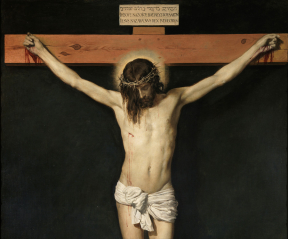
In this podcast Dr Emma-Jayne Graham and Professor Helen King of the Open University discuss how Christianity became the dominant religion of the Roman world.
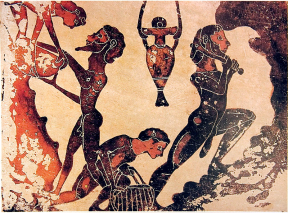
In this podcast Dr Ursula Rothe & Dr Colin Andrews of the Open University discuss how social, moral and religious life in Rome differed from that of ancient Greece.
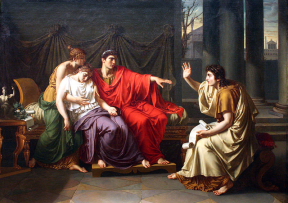
In this podcast Dr Joanna Paul & Dr Paula James of the Open University discuss the role and significance of the Latin Poets in Roman society.
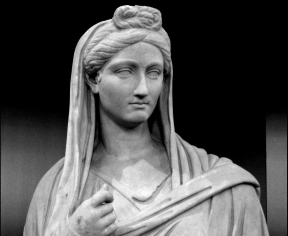
In this podcast Dr Emma-Jayne Graham and Dr Ursula Rothe of the Open University examine Roman Imperial Society.
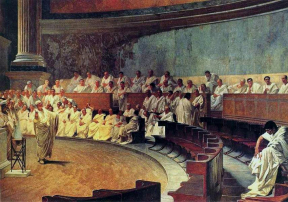
In this series of podcasts Dr Federico Santangelo of the University of Newcastle looks at the rise and fall of the Roman Republic.
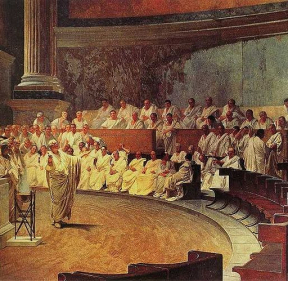
The Government of the Roman Empire, as everyone knows, was autocratic, and, like all autocracies, it was ‘tempered by assassination' or by military revolution. The emperor ruled through an imperial service, at once civil and military, in which several grades, corresponding to the social classes of the empire, were always...
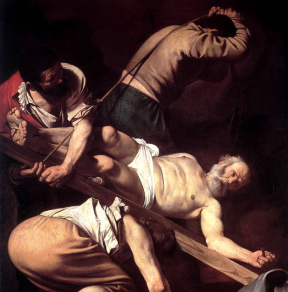
The Romans are known as forward thinkers who were well advanced for their time. But did they manage to conquer crime? Listen to this podcast to find out.
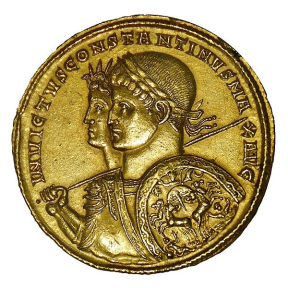
This resource is free to everyone. For access to hundreds of other high-quality resources by primary history experts along with free or discounted CPD and membership of a thriving community of teachers and subject leaders, join the Historical Association today Please note: this resource pre-dates the 2014 National Curriculum. For...
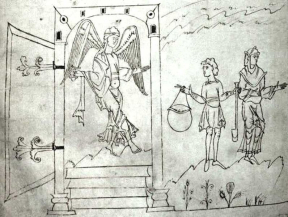
Please note: these lessons were produced as part of the Nuffield Primary History project (1991-2009) and pre-date the 2014 National Curriculum. This resource is free to everyone. For access to hundreds of other high-quality resources by primary history experts along with free or discounted CPD and membership of a thriving...
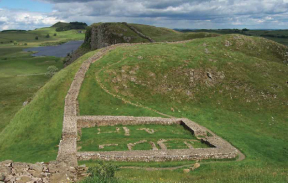
This resource is free to everyone. For access to hundreds of other high-quality resources by primary history experts along with free or discounted CPD and membership of a thriving community of teachers and subject leaders, join the Historical Association today From the founding of the city of Rome in the...
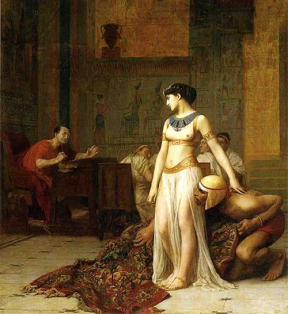
This pod-cast was recorded at the Central London Branch of the Historical Association on Saturday 20th February 2010, at the Institute of Historical Research, Senate House, University of London. We were pleased to welcome cultural historian Lucy Hughes-Hallet to the branch to speak on ‘Cleopatra'. Lucy Hughes-Hallet detailed how fact...