

Using Sources
It is important to use a wide range of sources such as pictures, artefacts, music and sights. Children will use these to build up their enquiry thought and processes and to build up their understanding of past.
Sort by:
Date (Newest first) | Title A-Z
Show:
All |
Articles |
Podcasts |
Multipage Articles
-

Local History and the 2012 Olympics
ArticleClick to view -
Pupils as apprentice historians (3)
ArticleClick to view -
From Kings To Queens to Sources and Evidence
ArticleClick to view -
Popular history: Using the media
ArticleClick to view -

Learning to engage with documents through role play
ArticleClick to view -

Reading the Past: Written and printed sources
ArticleClick to view -
Using classic fiction to support the study of childhood in Victorian times
ArticleClick to view -
Doing history in the early years and foundation stage
ArticleClick to view -
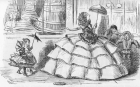
Printed pictures with text: Using cartoons as historical evidence
ArticleClick to view -
Reading Sources Using Textbreaker
ArticleClick to view -
A view from the KS1 classroom - investigating an artefact
ArticleClick to view -
Extending Primary Children's thinking through artefacts
ArticleClick to view -
A history of the world - 100 objects that tell a story
ArticleClick to view -
Introducing local history: the Fusehill Workhouse Project
ArticleClick to view -
Think Bubble 54 - Arte facts - Get my Meaning?
ArticleClick to view -
Doing History with Objects
ArticleClick to view -
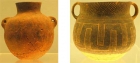
Artefacts in history education
ArticleClick to view -
Artefacts and art facts: images of Sir Francis Drake
ArticleClick to view -
History, artefacts and storytelling in the 2011 primary curriculum
ArticleClick to view -
Oral history - a source of evidence for the primary classroom
ArticleClick to view