

Teaching History articles
1052 publications
-
 'I feel if I say this in my essay it’s not going to be as strong’
-
 Why are you wearing a watch? Complicating narratives of economic and social progress
-
 New, Novice or Nervous? 166: Controversial issues
-
 Polychronicon 166: The ‘new’ historiography of the Cold War
-
 Thinking makes it so: cognitive psychology and history teaching
-
 Move Me On 166: getting the right pitch for GCSE teaching
-
 ‘If you had told me before that these students were Russians, I would not have believed it’
-
 Cunning Plan 166: developing an enquiry on the First Crusade
-
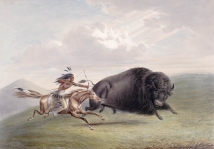 Putting Catlin in his place?
-
 Of the many significant things that have ever happened, what should we teach?
-
 Active remembrance
-
 Move Me On 165: Capturing student interest vs. sense of period
-
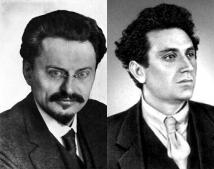 Polychronicon 165: The 1917 revolutions in 2017: 100 years on
-
 Nurturing aspirations for Oxbridge
-
 Teaching, learning and sharing medieval history for all
-
 Beyond tokenism: diverse history post-14
-
New, Novice or Nervous? 165: Enabling progress - students who need more support
-
 'Victims of history': Challenging students’ perceptions of women in history
-
 Cunning Plan 165: Helping lower-attaining students
-
 Historical scholarship and feedback
-
 Polychronicon 164: The End of the Cold War
-
 Low-stakes testing
-
 Effective essay introductions
-
 Triumphs Show 164: interpretations at A Level
-
 Move Me On 164: Similarity & Difference
-
 New, Novice or Nervous? 164: Constructing narrative
-
 Making rigour a departmental reality
-
 Taking control of assessment
-
 Does the grammatical ‘release the conceptual’?
-
 Polychronicon 163: Europe: the longest debate