
Historian articles
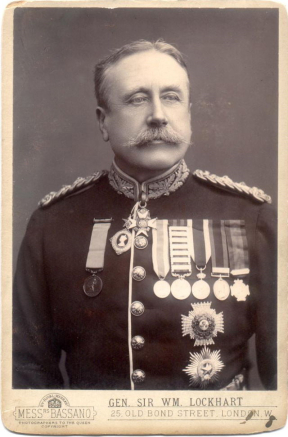
The Tirah memorial stands in a corner of Borough Gardens, a Victorian park in Dorchester, county town of Dorset. It is a granite obelisk decorated with a motif of honeysuckle and laurel wreaths standing 4.5 metres high on a square granite plinth. This in turn stands upon a circular concrete...
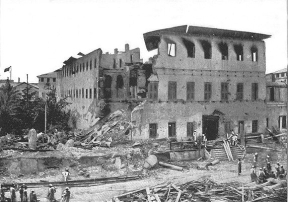
At 9am on 27 August 1896, following an ultimatum, five ships of the Royal Navy began a bombardment of the Royal Palace and Harem in Zanzibar. Thirty-eight, or 40, or 43 minutes later, depending on which source you believe, the bombardment stopped when the white flag of surrender was raised...
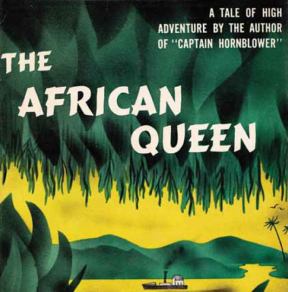
Where fact and fiction intercept: the story of The African Queen(s) by C.S. Forester When the Königin Luise was hull down over the horizon and the dhow was close in-shore the lieutenant left his post and went down to the jetty to meet his senior officer. The dhow ran briskly...
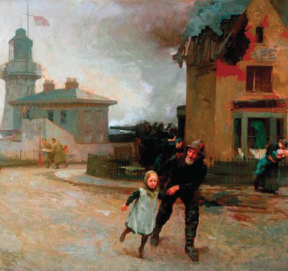
Heugh Battery, a Victorian survivor, received a new lease of life in 1908 when introduction of an improved Vickers 6-inch Mark VII gun greatly added to earlier, far less telling firepower. The Victorian pile was refurbished two years later and a pair of the new cannon installed. In 1907, the...
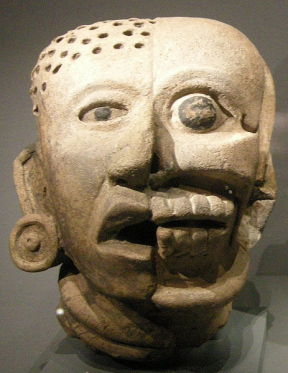
The ruins of ancient settlements are dramatic and dominant features of the landscape today, and abandoned architecture and monuments were also significant features of the landscape in the ancient past. How did people interact with remnants of architecture and monuments built during earlier times? What meaningful information about the economic,...
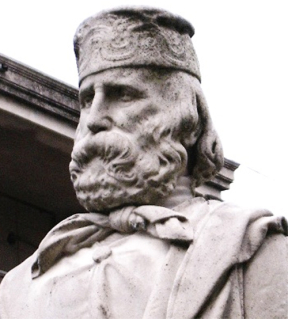
One approach used by British local historians is to explore and examine patterns in the landscape, based on a belief that the patterns will instruct and develop our historical awareness and understanding. Although approaches to local history may be less developed abroad, we can still apply our techniques to the...
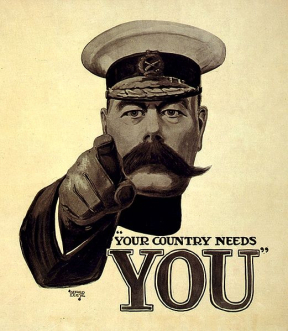
We are delighted to have an original article by Gary Sheffield in this edition of The Historian. Gary Sheffield is Professor of War Studies, University of Wolverhampton. He is a specialist on Britain at war 1914-45 and is one of Britain's foremost historians on the First World War. He has...
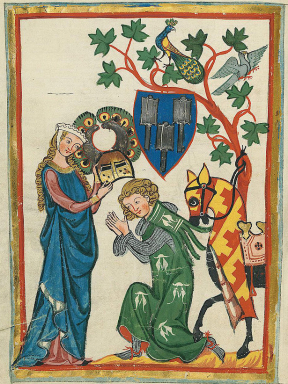
The year 1066 - the one universally remembered date in English history, so well-known that banks advise customers not to choose it as their PIN number - opened the country up to French influence in spectacular fashion. During the ‘long twelfth century' (up to King John's death in 1216) that...
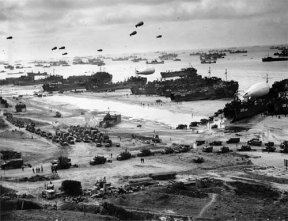
This year it was the 70th anniversary of D-Day. The world's politicians and media went into overdrive about it. The BBC dedicated a whole day to the coverage, mainly live from Normandy while small events took place around the UK. For a whole day the upcoming centenary of the First...
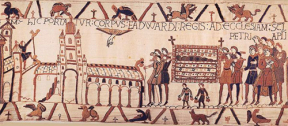
Bayeux, 23 kilometres west of Caen, was the first French town to be liberated in 1944 - on 7 June in fact, the day after the landings. Yet its origins go much further back than that: its first bishop was consecrated in the fourth century. It became part of Normandy...
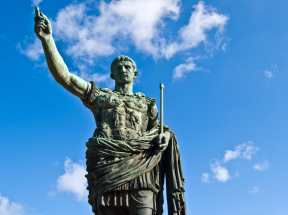
A personal reflection on Julius Caesar and the conquest of Britain Julius Caesar always brings to mind the famous dictum of Winston Churchill, ‘History will be kind to me, for I shall write it!' In his writings Julius Caesar provides a vivid and detailed account of his invasions of Britain...
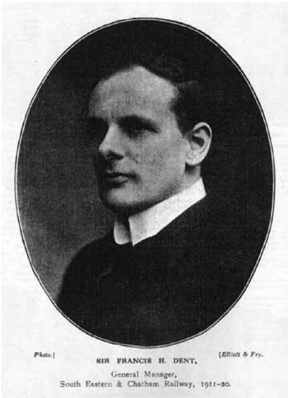
Not your typical soldier, not your typical service The term ‘citizen soldier' evokes a particularly powerful image in Britain. The poignant histories of the ‘Pals' Battalions' cast a familiar, often tragic shadow over the popular memory of the First World War. Raised according to geographical and occupational connections, names such...
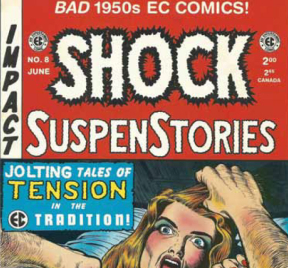
In 1866 the Select Committee on Theatrical Licenses and Regulations questioned Inspector Richard Reason: Col. Stuart: What is the class of people who go [to penny theatres]?[Police] Inspector Richard Reason: I should think there is a great number of the criminal class, and some of the children of the working...
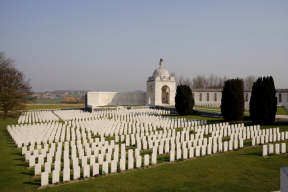
My Favourite History Place: Tyne Cot Cemetery, near Ypres, Belgium We can truly say that the whole circuit of the Earth is girdled with the graves of our dead. In the course of my pilgrimage, I have many times asked myself whether there can be more potent advocates of peace...

The First World War had an enormous impact on society and on our landscape, perhaps not through war damage as was the case during the Second World War but through the erection of memorials. It doesn't matter where I am in the UK and often when abroad I will find...
The Weald & Downland Open Air Museum (WDOAM), which opened to the public in 1970, is one of the leading museums of historic buildings and rural life in the United Kingdom. It has a collection of nearly 50 historic buildings - domestic, agricultural and industrial - dating from the thirteenth...
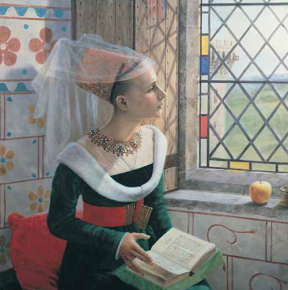
May I introduce you to Anne Herbert, Countess of Pembroke? I'm very fond of this modern imagined portrait by Graham Turner, partly because of the colour and detail but chiefly because it conveys a respect for the people who lived in the past and especially for Anne herself. My interest...
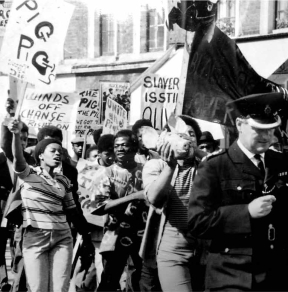
History is rarely far removed from today's concerns. What is true of history in general is true of biography; specifically. Darcus Howe: a political biography is no exception. In writing it, we were consciously intervening in current debates about Britain and ‘race'. The impetus to write emerged in 2008 during...
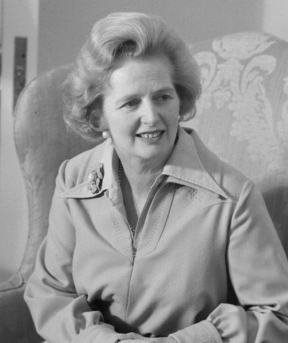
Last year marked the deaths of two world-renowned historical figures - Margaret Thatcher and Nelson Mandela. Their obituaries reflected the marked contrast in the way the pair were viewed. Mandela ended up by being universally admired, while Thatcher was both adored and despised in seemingly equal measure. Writer Nigel Starck...
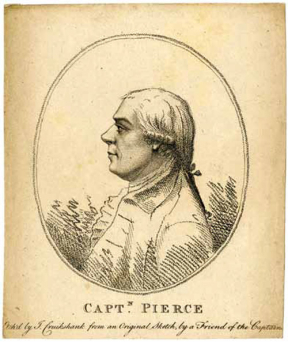
An apprentice biographer researches the career of an eighteenth-century sea captain On a cold January afternoon in 1986, my neighbour announced that he intended to go to Dorset's Purbeck coast that night. Puzzled, I asked why. He explained it was the 200th anniversary of the wreck of the East Indiaman,...