
Historian articles
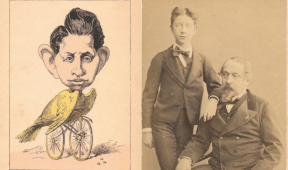
Emperor Napoleon III of France was deposed in 1870 and then died three years later. His son, known as the Prince Imperial, lived in exile in south-east England. There he and his supporters kept alive ambitions for a triumphant return of the Empire. In this article, Ian Sygrave assesses the...
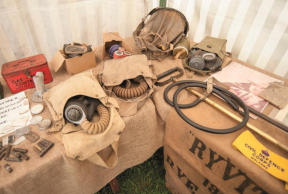
Stuart Lee, Ylva Berglund Prytz and Matthew Kidd introduce an innovative project to capture objects and the memories they hold.
Stuart Lee, Ylva Berglund Prytz and Matthew Kidd introduce an innovative project to capture objects and the memories they hold.
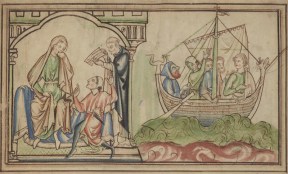
Spies were a common feature of political, diplomatic and courtly life in the period of early medieval Europe. In this article, Jenny Benham explores some interesting contemporary representations of spies, in both literature and art. These stories and images reveal key features of the culture and practices surrounding these so-called...
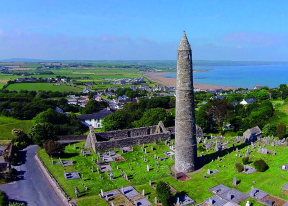
Within the historic landscape it is frequently possible to identify the impact of deeply religious figures who have exercised very real and long-lasting spiritual influence on their communities and indeed on the very landscape itself.Often these are shadowy figures in a distant past where myth and history intertwine. Sometimes it...
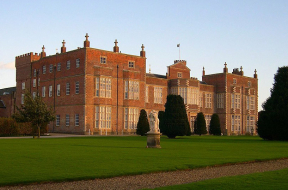
David Hockney’s landscape paintings of the Yorkshire Wolds in the 1990s alerted people to the peculiar beauty of the East Riding but the region remains strangely unknown and unvisited, especially the small, scattered villages inland from the coast. Yet the village of Burton Agnes, on the road between Driffield and...
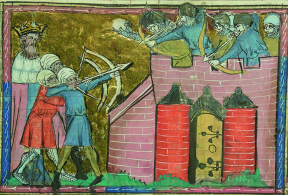
On 28 June 1098, the forces of the First Crusade marched out from the great north Syrian city of Antioch to do battle with Karbugha, the Muslim ruler of Mosul. The odds were not in their favour: not only was the Muslim army vastly superior in size, but the crusaders...
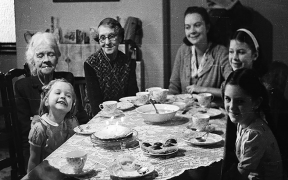
Alyson Brown, Dan Copley and Jack Bennett uncover the life of a reforming Liverpool headmistress. Our series ‘Real Lives’ seeks to put the story of the ordinary person into our great historical narrative. We are all part of the rich fabric of the communities in which we live and we...
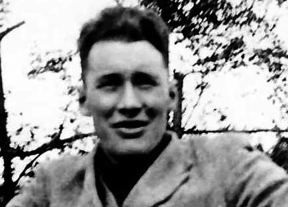
The intellectual aristocracy of late Victorian and early Edwardian Britain constitutes a Venn diagram of familiar names – the Stracheys and the Stephens, the Wedgwoods and the Darwins, the Keynes and the Trevelyans. These affluent, upper middle-class pillars of public life espoused a secular, liberal view of the world. Their...
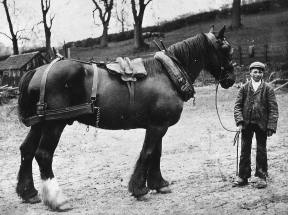
Agricultural hiring fairs – now largely forgotten –performed multiple social functions and were an intriguing aspect of rural life, writes Stephen Caunce. Over the last three decades, long-established British newspapers have endured a steady dwindling of staff, depth of reporting and public respect. Paradoxically, however, the digitalising of old content...
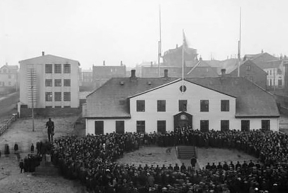
As it sought independence, Iceland gained a new significance for Britain during the latter stages of the First World War, writes Ben Markham. At the turn of the twentieth century, Iceland was not an independent country. Isolated in the North Atlantic Ocean, it was nonetheless considered an integral part of...
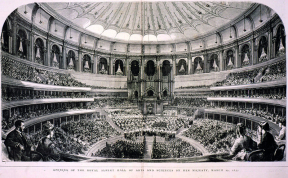
It is sometimes said that England was a ‘land without music’ in the eighteenth and nineteenth centuries – not so, according to David Fleming. ‘Between the age of Purcell and that of Elgar and Parry, we had to do without much musical life in our country.’ Or so wrote Simon...
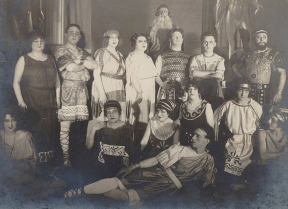
Simon Banks investigates how the past has been presented in European opera, revealing intriguing insights into the development of the modern world. The way a civilisation views its past shapes the way it acts in the present. Over the 400-year history of opera, opera plots have re-told, re-invented and re-evaluated...
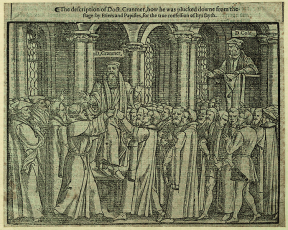
The apogee of the native church music tradition, Evensong is a jewel born of the English Reformation, but how did it come to be, asks Tom Coxhead? Evensong is a miraculous success-story for the Anglican Church in an increasingly secular society. Midweek attendance at cathedrals, collegiate chapels, and larger churches...
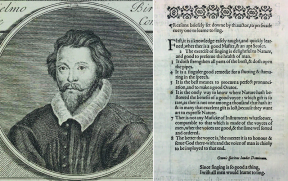
As the value of music education is again a topic of societal debate, Tudor composer William Byrd, the four hundredth anniversary of whose death is celebrated this year, was a powerful advocate of singing in early modern England, writes Katherine Butler. Tudor composer William Byrd (c.1540–1623) is recognised today not...
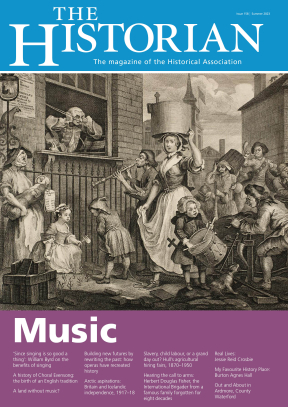
Read The Historian 158: Music Anniversaries provide enticing opportunities for historians and the public to reflect on moments from our collective past. For choral music lovers this year is significant as it is the four hundredth anniversary of the death of the Tudor composer William Byrd, which is being marked...
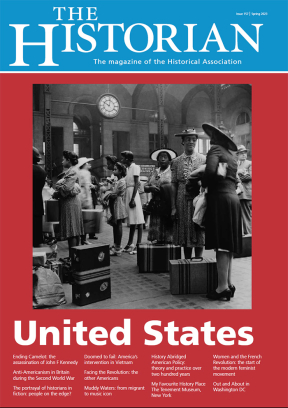
Read The Historian 157 ‘This will be the American century’, declared the celebrated publisher Henry Luce in 1941. Luce, the son of missionaries, was brought up in China. As a child, he had witnessed the collapse of the Qing dynasty, and the subsequent disintegration of the country. He would probably...
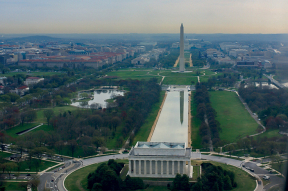
Not everyone loves the capital of the United States. To Ulysses S Grant, it was a ‘pestilential swamp’; to novelist Gore Vidal, a ‘city of the dead’. It is true that Washington still has its problems. The District of Columbia has the highest crime rate in the United States, and...
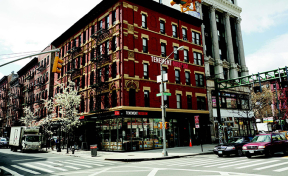
The Tenement Museum is not remotely like any museum I had previously visited. It is an old tenement building where generations of New York migrants lived and loved, worked and had families before moving both on and out. The Tenement Museum tells the story of the Lower East Side through...
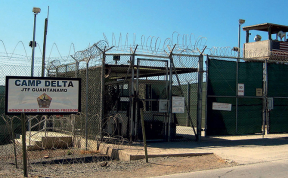
History Abridged: In this feature we take a person, time, theme or event and tell you the vast rich history in small space. A long dip into history in a shortened form. See all History Abridged articles The ‘Monroe Doctrine’ in 1825 provided a cornerstone for future United States foreign...