
Historian articles
Our series ‘Real Lives’ seeks to put the story of the ordinary person into our great historical narrative. We are all part of the rich fabric of the communities in which we live and we are affected to greater and lesser degrees by the big events that happen on a...
In this new, occasional section of The Historian, contributors share their thoughts on matters of public historical debate. We invite our readers to respond, either by writing to the editors at thehistorian@history.org.uk or by writing their own opinion piece. Here, Lorenzo Kamel shares his thoughts on why saying ‘he was...
Eminent Ulster novelist Forrest Reid was a complex character, reflecting a variety of attitudes in both his writing and his private life. In this article Michael Kelly examines how Reid and his circle of friends aimed to navigate their way through the changes of the early twentieth century, in both...
Throughout the Second World War the BBC produced and transmitted regular broadcasts in German to Germany and other European countries occupied by the Germans. In this article Hattie Simpson evaluates the style and success of the BBC German Service. The article is based on her winning entry in the senior...
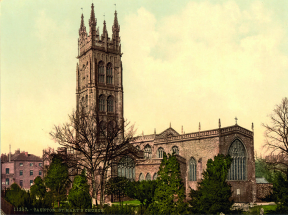
The Somerset town of Taunton featured prominently in the highly significant political and religious conflicts of the seventeenth century. Isabella Peach examines Taunton’s role in these events and the impact they had on the town. Her article is based on her winning entry in the 2023 Young Historian Post-16 Local...
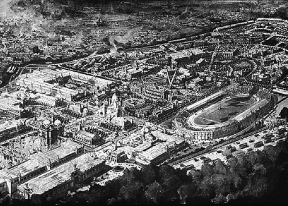
The modern Olympic Games were first held in 1896, but it was not until their fourth edition, held in London 1908, that they had a purpose-built stadium as their sporting and ceremonial heart. This article by Martin Polley explores the history of that stadium – White City. As well as...
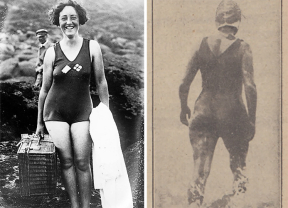
In this article Matthew Brown and Pablo Scharagrodsky introduce us to the little-known story of Anglo-Argentinian swimmer Lilian Harrison, who in 1923 became the first person to swim the 42km from Uruguay to Argentina at the estuary of the Rio de la Plata. Her story shows how she had to...
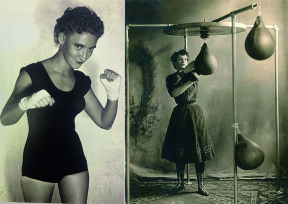
In this article Matthew Taylor explores the history of women’s boxing in Britain from the early eighteenth century onwards, showing how prevailing gender norms have led to this activity being marginalised by historians. It is argued that the key women boxers he discusses should be celebrated as key figures, not...
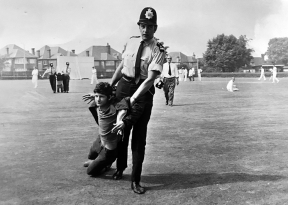
The early 2020s have seen various investigations and reports about discrimination in English cricket. As well as finding many examples of racial and gender prejudice, these investigations have unearthed a long history of social elitism in the sport. In this article, Duncan Stone explores some of the historical background to...
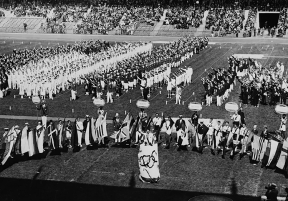
The 1924 Olympics in Paris are best known to many British people through the ‘Chariots of Fire’ film from the early 1980s. The film touches on some of the political and social attitudes prevalent in the 1920s and Steve Illingworth explores these issues further in this article. It is argued...
Read The Historian 159: Branches Welcome to this Branches edition of The Historian, a regular version of the magazine where many of the articles are based on talks and activities from Historical Association branches across the country. The last Branches edition came out in November 2021 and at that time...
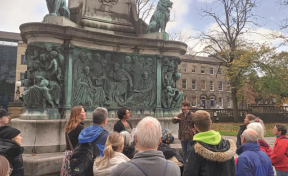
The city of Lancaster has many important historical landmarks from both the medieval period and the time of the Industrial Revolution. In this article Sunita Abraham and Christopher Donaldson describe the thinking behind a guided historical tour they have devised for the city. This involves engaging with modern technology, placing...
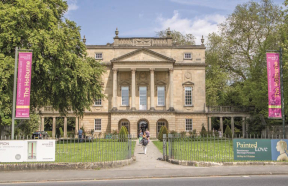
Jane A. Mills describes in this article how the fascination of Holburne Museum in Bath comes partly from the historical objects on display but also from the varied history of the building itself. She explains how the recent development of the museum illustrates the ongoing issue of trying to resolve...
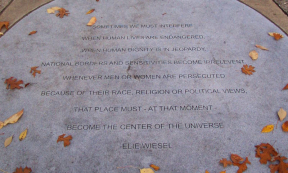
The Nazis came to power in 1933 with an openly racist and antisemitic set of policies. In the years leading up to the start of the Second World War, those policies were carried out through legislation and governmental actions, with the support of many members of German society. Once the...
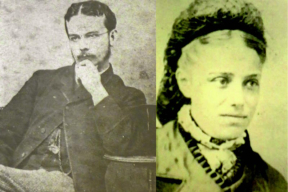
Stephen Bourne explains how he pieced together the story of Robert Branford, the earliest known mixed-race officer in the Metropolitan Police, who faithfully served the people of Southwark in the Victorian era.
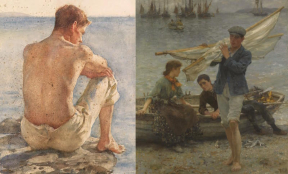
Our series ‘Real Lives’ seeks to put the story of the ordinary person into our great historical narrative. We are all part of the rich fabric of the communities in which we live and we are affected to greater and lesser degrees by the big events that happen on a...
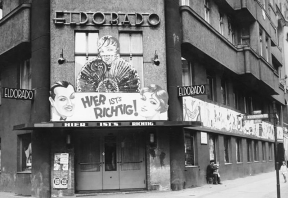
The modern gay-rights movement has its origins in a 1960s New York ‘bottle bar’, but as Ben Jerrit explains, drinking establishments have been centres of gay culture and social resistance for centuries.
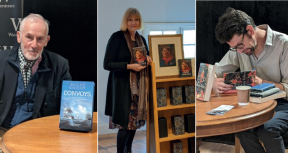
Branch President, Sean Lang, explains how a radical departure from the traditional branch lecture programme is helping to revitalise the HA in Cambridge.
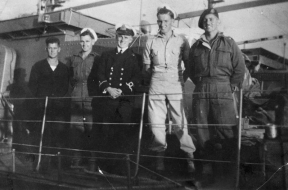
The Spirit of Normandy Trust Essay Competition is aimed at young historians and organised by the Historical Association (as part of the annual Young Historian Awards). The 2023 winner in the Key Stage 3 (lower secondary school) category is Ayan Sinha, a pupil at Queen Elizabeth Grammar School in Wakefield....
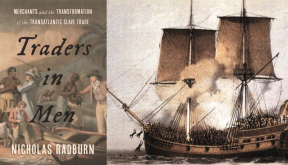
The Historian sat down with historian Nicholas Radburn to discuss his latest book, Traders in Men, which examines the role of merchants in the expansion and transformation of the Transatlantic Slave Trade in the eighteenth century.