
Historian articles
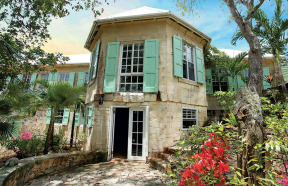
The tropical island of Antigua is a tourist heaven, but Gabriella Howell’s research into her family property, the Great House of Mercers Creek, shows how over the centuries, a varied history has shaped the experience of visitors and residents alike. From the enslaved and missionaries to admirals and film stars,...
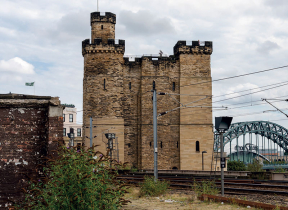
A.D. Bergin’s research for a work of historical fiction led him to Newcastle, where one of the largest witch trials in English history took place in 1650. Despite the scale of the proceedings, the event remains much less well known than the infamous Pendle trials or Matthew Hopkins’ East Anglian...
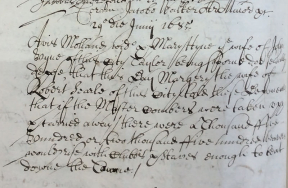
As the Historical Association runs its short course on Witchcraft, Werewolves and Magic in European History, Mark Stoyle investigates an apparent turning point in the history of English witchcraft: the case of a woman accused of witchcraft in seventeenth-century Devon. We also include Mark Stoyle's 'Doing History' companion piece to...
From its Roman origins to the dating of the tax year, David Fleming describes how the changes made to the British calendar in 1752 came about and their effect on everyday life, both at the time and since...
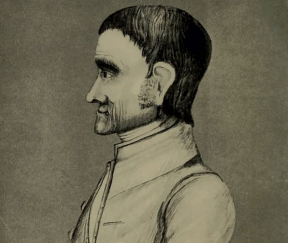
Joshua M. Reinke introduces the American Quaker abolitionist, John Woolman. This seventeenth-century diarist’s encounter with Christ took him on a journey that led across the American colonies and provoked him to voice his fierce opposition to human bondage and the slave trade...

Olena Braichenko examines the most common dishes of Ukrainian cuisine, describing the culinary traditions of the indigenous people of Ukraine – the Crimean Tatars. She explains how the Soviet past influenced the gastronomic culture of Ukrainians and what peculiarities of Ukrainian culinary behaviour contribute to stability and survival in the...
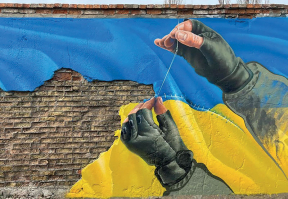
Kateryna Petrova explores the history and evolution of street art, especially graffiti and murals in Ukraine from the Soviet era to the present day. She traces the transformation of street art from a forbidden and persecuted activity to one coordinated with city authorities and embraced by the public. She also...
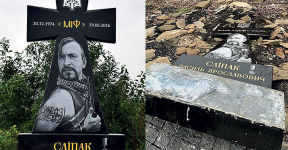
Olha Makliuk outlines the challenges faced by Ukraine as Russia tries to rewrite the narrative of Ukrainian sovereignty. Through a process of historical and cultural appropriation as well as the destruction of monuments, she explores how history has been weaponised by the Putin regime. Finally, she considers how the impact...
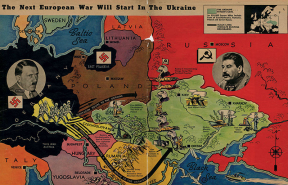
How has the understanding of what Ukraine is and, therefore, its image changed through the centuries? What did the word ‘Ukraine’ mean in the Middle Ages, the early modern times, or in the twentieth century? Even during the last four decades, this image has transformed dramatically, and the first association...
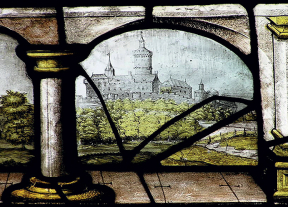
Bad Godesberg tower is the most intact remnant of what was once a castle. Built in 1210 by the Archbishop of Cologne, Dietrich von Moers (circa 1385–1463), Godesberg Castle enjoyed a relatively quiet existence as an archiepiscopal seat. Then, on 31 October 1517, Martin Luther published his Ninety-Five Theses against...
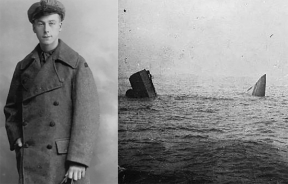
Our series ‘Real Lives’ seeks to put the story of the ordinary person into our great historical narrative. We are all part of the rich fabric of the communities in which we live and we are affected to greater and lesser degrees by the big events that happen on a...
The Historian sat down with Mark Nicholls to discuss his latest book, The Rise and Fall of Treason in English History, co-authored with Allen Boyer, which charts the history of the law of treason from its origins to the present day...
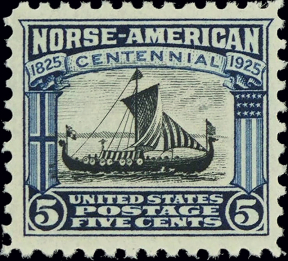
There is now compelling evidence that Norse people – popularly known as Vikings – had some interaction with the First Peoples of North America. Martyn Whittock looks at how the appeal of a Viking legend has combined with archaeological discoveries to create a powerful attachment in the North American imagination...
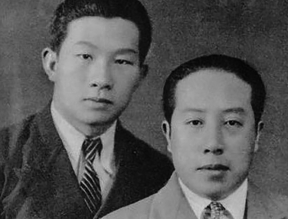
The history of the Chinese national anthem gives Derek Ying a new perspective on society and culture from the era of the Qing dynasty to the People’s Republic of China. It reveals the strengths and weaknesses of different regimes, and the power of song to unite and divide...
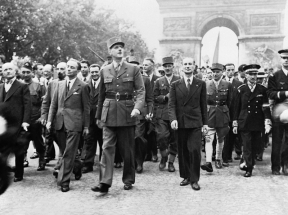
Thierry d’Argenlieu played a crucial role in the French Resistance during World War Two, but he does not fit the mould of the typical resister. Adrian Smith brings to light d’Argenlieu’s wartime experiences, and follows his career after 1945 as High Commissioner in Indo-China and member of the Carmelite order...
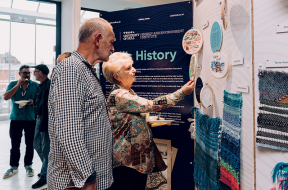
Incidents of flooding across the UK are increasing, threatening homes and livelihoods. In this article, Hannah Worthen and Briony McDonagh explain how they are using historic records of floods and flood management to engage communities in Hull in new conversations and to prompt vital action. Their project, Risky Cities, was...
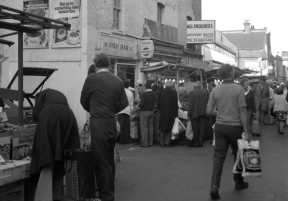
Urbanisation is a defining characteristic of the modern age in Britain. The physical construction and management of urban environments has consumed the attention of historians since the late 1960s. In this article, Lucy Faire and Denise McHugh turn their attention to the citizens’ sensory experience of the modern town and...
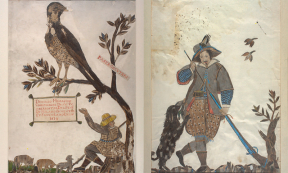
Artworks and objects from the past provide us with a compelling record of human interaction with the natural world. In this article, art historians Carla Benzan and Samuel Shaw explain how they are using collections from galleries and museums to bring environmental history to new audiences and to increase awareness...
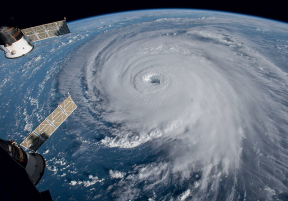
In a wide-ranging survey of the field, Amanda Power explains what it means to do environmental history at a time of climate crisis, and points to the opportunities and challenges in this thriving area of research...
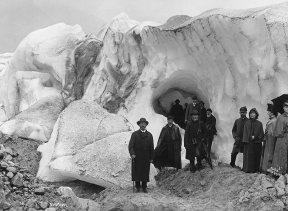
Glaciers are on the frontier of the climate crisis. Their ongoing disappearance is one of its most visible effects. In this article, Christian Drury explores how tourists in the late nineteenth and early twentieth centuries viewed and understood glaciers, and what they contributed to the history of environmental thought...