

Recorded webinar series: Medieval political ideas and activity in global context
Funded webinar series for secondary teachers from the HA and the Noblesse Oblige research network
What does this series cover?
Medieval history is often a story of kings and their dates, primarily of England or, at best, western Europe. This funded webinar series aimed at secondary history teachers will introduce teachers to educational approaches to the Middle Ages that go beyond both kings and this narrow geographical range.
It takes as its touchstone Magna Carta, which often forms a central part of the Key Stage 3 curriculum and is one of the few moments where non-royal political activity can be seen and appreciated by students. The 2015 anniversary demonstrated that we need to see the Magna Carta in a more global context: to what extent were similar expressions of non-royal political activity occurring across Afro-Eurasia?
The Noblesse Oblige research network has explored this question, and through this series we hope to encourage a broader and deeper understanding of non-royal political ideas and activities across the Afro-Eurasian space, thereby enriching the tools at the disposal of teachers to cover this core feature of Key Stage 3 and transforming students’ understanding of the Middle Ages in a global context.
-
How is the series structured and delivered?
The series consists of three recorded webinars, available below. The historians recommend that you read the selection of articles linked below before watching the webinars in order to prepare and make the most of each session.
The webinars were originally recorded in 2024.
-
What does each session cover?
Session 1: Warrior aristocracies and political order
This session will consider the role of warrior aristocracies in creating political order, with special attention paid to the role of spiritual as well as material concerns. Beginning in the familiar territory of western Europe, we will explore the nobility’s engagement with crusading and reform as an expression of government. We will then turn to the Middle East to examine the way in which Muslim emirs sought to fulfil the role of ideal pious rulers in their cities, before finally looking at the political activity of Buddhist monasteries in Japan.Session 2: Aristocracies and empire
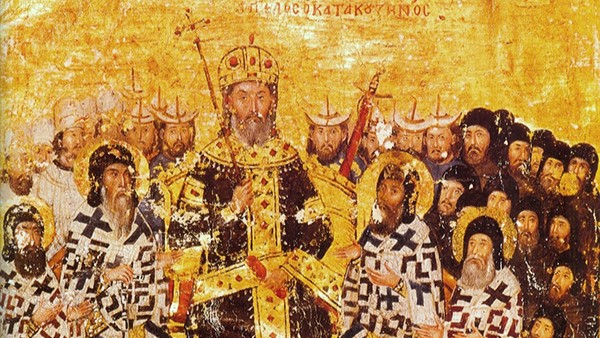
The interactions of aristocracies with empire shaped the scope of power that could be exercised by these intermediate powers. This session will therefore investigate the political role of the Greek aristocracy within the sedentary eastern Roman empire (Byzantium) and that of the Rus’ leaders within the nomadic Mongol empire of the Golden Horde. Finally, the Chinese élite demonstrate the ways in which aristocracies had to negotiate both forms of empire under the Song and Yuan dynasties.Session 3: Connections across Afro-Eurasia
This quodlibet session will consist of a discussion between all presenters about the intersections of their research on medieval political ideas and activity across Afro-Eurasia, building on the connexions made in the previous sessions but also noting parallels across them. -
Who is the series for?
The series is for anyone who teaches medieval history at secondary school and is looking to develop their subject knowledge and expand beyond traditional narratives.
-
What are the learning outcomes?
This webinar series will enable you to:
- • Teach on topics such as Magna Carta in an Afro-Eurasian context
- • Discuss the importance of non-royal political ideas and activities in the medieval period
- • Think about the formulation and implementation of political ideas in the Global Middle Ages
-
Who is leading the series?
The webinars are presented by historians from the Noblesse Oblige research network:
- • Dr Gregory Lippiatt – Western Europe
- • Dr Alex Mallett – Islamic World
- • Professor Mickey Adolphson - Japan
- • Dr Maximilian Lau – Byzantium (and the Pacific)
- • Dr Angus Russell – The Mongols and the Rus’
- • Dr Ruth Mostern – China
-
What does it cost?
These webinars are free for anyone to access and have been funded by the Noblesse Oblige research network.
Did you know? Historical Association members can access exclusive free monthly subject knowledge webinars and recordings, plus a range of other benefits all year round. Find out more about Secondary membership
Please note: while these webinars have been produced by the Historical Association, any opinions expressed by the presenter(s) are their own and do not necessarily represent HA policy.