

Planning
This section organises material on Key Stage 3 planning into three categories. In KS3 planning: general, you will find general advice on planning in the lower secondary years. This includes examples of how history teachers and other history education experts have planned everything from single activities and lessons to two or three years of work. You will find examples of planning for local history in KS3 planning: local history. The third category, KS3 planning: Learning outside the classroom embraces fieldwork of all kinds, from studying landscape and cities, to museums, galleries and memorials, as well as inter-school activities, work with outside organisations and assorted international collaborations, real and virtual. Read more
Sort by:
Date (Newest first) | Title A-Z
Show:
All |
Articles |
Podcasts |
Multipage Articles
-

Harnessing the power of community to expand students’ historical horizons
ArticleClick to view -
Helping Year 7 put some flesh on Roman bones
ArticleClick to view -
Helping Year 9 debate the purposes of genocide education
ArticleClick to view -
Helping Year 9 evaluate explanations for the Holocaust
ArticleClick to view -
Helping Year 9 explore the cultural legacies of WW1
ArticleClick to view -
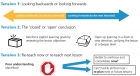
Here ends the lesson: shaping lesson conclusions
ArticleClick to view -

Historical anniversaries calendar
ArticleClick to view -
Historical learning using concept cartoons
ArticleClick to view -
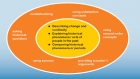
Historical reasoning in the classroom
ArticleClick to view -
Historical scholarship, archaeology and evidence in Year 7
ArticleClick to view -

How Michael moved us on: transforming Key Stage 3 through peer review
ArticleClick to view -

How including histories of trees can connect the past with the present and the future
ArticleClick to view -
How should women’s history be included at Key Stage 3?
ArticleClick to view -
Imagining cities: exploring historical sites as contested spaces
ArticleClick to view -
Improving Year 12's extended writing
ArticleClick to view -
Interpretations
ArticleClick to view -

Interpreting Agincourt: KS3 Scheme of Work
ArticleClick to view -

Into the Key Stage 3 history garden: choosing and planting your enquiry questions
ArticleClick to view -
Key Concepts at Key Stage 3
Multipage ArticleClick to view -
Learning from a pandemic
ArticleClick to view