

Britain since 1930
A popular topic in the past has been Britain since 1930, which usually provides a focus upon World War II. It is possible to retain a study of World War II in Key Stage II provided that the unit of study either links to the locality, or shows how this was a turning point and draws links to knowledge that children have already developed. In this section you will find podcasts, articles and resources to help you plan to teach World War II as a local study or turning point in history.
Sort by:
Date (Newest first) | Title A-Z
Show:
All |
Articles |
Podcasts |
Multipage Articles
-
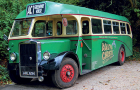
The wheels (and horses…) on the bus
ArticleClick to view -
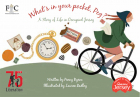
What’s in your pocket, Peg?
ArticleClick to view -
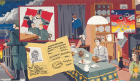
Teaching about the German Occupation of Jersey through the Occupation Tapestry
ArticleClick to view -
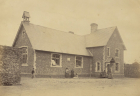
Scheme of work: Significant historical events, people and places in their own locality
ArticleClick to view -
Using oral history in the classroom
Multipage ArticleClick to view -
Teaching about Remembrance Day in EYFS
ArticleClick to view -
The new King
ArticleClick to view -
Pull-out posters: Primary History 90
ArticleClick to view -
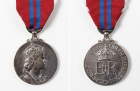
Jubilee medals: celebration and creation
ArticleClick to view -
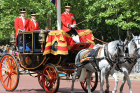
The Queen in procession
ArticleClick to view -
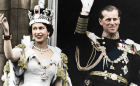
Happy and Glorious: exploring and celebrating the Platinum Jubilee
ArticleClick to view -
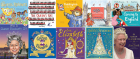
Ten texts for the Platinum Jubilee
ArticleClick to view -
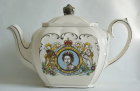
Back to basics: using artefacts in the classroom
ArticleClick to view -
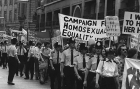
50th anniversary of the UK’s first official Pride march: 1 July 2022
ArticleClick to view -
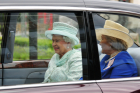
Scheme of work: Queen Elizabeth II
ArticleClick to view -
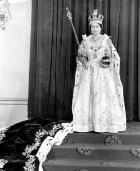
Scheme of work: The Platinum Jubilee
ArticleClick to view -

Women and space: reaching for the stars
ArticleClick to view -
Promoting Gypsy, Roma and Traveller heritage in your primary history curriculum
ArticleClick to view -
Sporting legacy: the history of endeavour
ArticleClick to view -
Anniversary: Festival of Britain 1951
ArticleClick to view