

Britain since 1930
A popular topic in the past has been Britain since 1930, which usually provides a focus upon World War II. It is possible to retain a study of World War II in Key Stage II provided that the unit of study either links to the locality, or shows how this was a turning point and draws links to knowledge that children have already developed. In this section you will find podcasts, articles and resources to help you plan to teach World War II as a local study or turning point in history.
Sort by:
Date (Newest first) | Title A-Z
Show:
All |
Articles |
Podcasts |
Multipage Articles
-

How to make a toy museum
ArticleClick to view -

Changes in an aspect of social history from 1945 to 2000: youth culture
ArticleClick to view -
Census 2021: using the census in the history classroom
ArticleClick to view -
Pull-out posters: Primary History 87
ArticleClick to view -
Fifty years ago we lost the need to know our twelve times tables
ArticleClick to view -

Belmont’s evacuee children: a local history project
ArticleClick to view -
Take one day: undertaking an in-depth local enquiry
ArticleClick to view -

One of my favourite history places: Studland Village
ArticleClick to view -
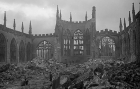
Anniversaries: The Coventry Blitz and the Grave of the Unknown Soldier
ArticleClick to view -
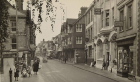
Scheme of work: Local history – the story of our High Street
ArticleClick to view -

Primary Scheme of Work: Remembrance
ArticleClick to view -

Local significant individuals
Multipage ArticleClick to view -
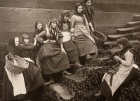
‘Come all ye fisher lassies’
ArticleClick to view -
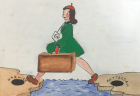
Teaching about the Kindertransport without the Kinder
ArticleClick to view -

One of my favourite history places: the Italian Chapel in Orkney
ArticleClick to view -
The Elizabeth cake
ArticleClick to view -
The Phoney War: teaching WWII
ArticleClick to view -

One of my favourite history places: Meldon Viaduct
ArticleClick to view -
Three first-class ladies – teaching significant individuals in Key Stage 1
ArticleClick to view -
The Blitz: All we need to know about World War II?
ArticleClick to view