

Britain since 1930
A popular topic in the past has been Britain since 1930, which usually provides a focus upon World War II. It is possible to retain a study of World War II in Key Stage II provided that the unit of study either links to the locality, or shows how this was a turning point and draws links to knowledge that children have already developed. In this section you will find podcasts, articles and resources to help you plan to teach World War II as a local study or turning point in history.
Sort by:
Date (Newest first) | Title A-Z
Show:
All |
Articles |
Podcasts |
Multipage Articles
-
Significant anniversaries: the infamous Beeching Report 1963
ArticleClick to view -
Sporting legacy: the history of endeavour
ArticleClick to view -
Take one day: undertaking an in-depth local enquiry
ArticleClick to view -
Teaching about Remembrance Day in EYFS
ArticleClick to view -
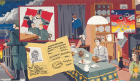
Teaching about the German Occupation of Jersey through the Occupation Tapestry
ArticleClick to view -
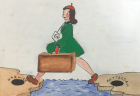
Teaching about the Kindertransport without the Kinder
ArticleClick to view -
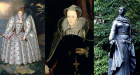
Teaching about ‘these islands’ since 1066
ArticleClick to view -
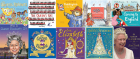
Ten texts for the Platinum Jubilee
ArticleClick to view -
The Battle of Monte Cassino and the D-Day Landings
ArticleClick to view -
The Blitz - Lesson Ideas - Film
Multipage ArticleClick to view -
The Blitz: All we need to know about World War II?
ArticleClick to view -
The Coronation of King Charles III
ArticleClick to view -
The Elizabeth cake
ArticleClick to view -
The Phoney War: teaching WWII
ArticleClick to view -
The Queen in procession
ArticleClick to view -

The impact of World War II on British children's gendered perceptions of contemporary Germany
ArticleClick to view -
The new King
ArticleClick to view -
The wheels (and horses…) on the bus
ArticleClick to view -
Three first-class ladies – teaching significant individuals in Key Stage 1
ArticleClick to view -

Trees
ArticleClick to view