

Britain since 1930
A popular topic in the past has been Britain since 1930, which usually provides a focus upon World War II. It is possible to retain a study of World War II in Key Stage II provided that the unit of study either links to the locality, or shows how this was a turning point and draws links to knowledge that children have already developed. In this section you will find podcasts, articles and resources to help you plan to teach World War II as a local study or turning point in history.
Sort by:
Date (Newest first) | Title A-Z
Show:
All |
Articles |
Podcasts |
Multipage Articles
-

Ideas for assemblies: LGBT History Month
ArticleClick to view -
Using the back cover image: Lest We Forget
ArticleClick to view -

Women in parliament since 1918
ArticleClick to view -
Scheme of Work: The Blitz: all we need to know about World War II?
ArticleClick to view -
Muslim soldiers in World War I
ArticleClick to view -

World War I: widening relevance in the modern world
ArticleClick to view -
Using the back cover image: Oxford Street in the 1960s
ArticleClick to view -
Using cemeteries as a local history resource
ArticleClick to view -
Ideas for assemblies: significant women in history
ArticleClick to view -
World War II evacuees and Kindertransport
ArticleClick to view -

World War II evacuation project - A living history experience
ArticleClick to view -
The Blitz - Lesson Ideas - Film
Multipage ArticleClick to view -
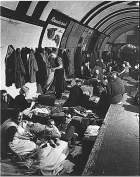
Case Study: World War II evacuation project
ArticleClick to view -
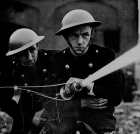
Changes within Living Memory
ArticleClick to view -
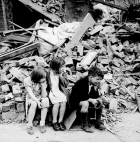
Children in the Second World War
ArticleClick to view -
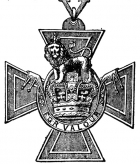
World War II medals at KS2 and Remembrance Day
ArticleClick to view -
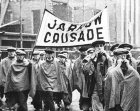
Jarrow Crusade
ArticleClick to view -
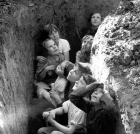
Evacuees: Children during World War II
ArticleClick to view -
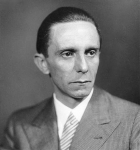
Propaganda and its power
ArticleClick to view -
Detectives: what were schools like in the past?
ArticleClick to view