Britain since 1930

A popular topic in the past has been Britain since 1930, which usually provides a focus upon World War II. It is possible to retain a study of World War II in Key Stage II provided that the unit of study either links to the locality, or shows how this was a turning point and draws links to knowledge that children have already developed. In this section you will find podcasts, articles and resources to help you plan to teach World War II as a local study or turning point in history.

Sort by: Date (Newest first) | Title A-Z
Show: All | Articles | Podcasts | Multipage Articles
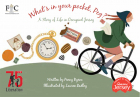
  • What’s in your pocket, Peg?

    Article

    What’s in your pocket, Peg? is a story book about Jersey which experienced German occupation throughout most of World War II. We wanted to create a book that appealed to children across different primary age groups, helping them to imagine the first-hand life experiences of a child alive at that time. The...

    Click to view
  • When your parents were young…

    Article

    This article is free to everyone. For access to hundreds of other high-quality resources by primary history experts along with free or discounted CPD and membership of a thriving community of teachers and subject leaders, join the Historical Association today Susie Townsend explores the theme of life in the 1990s,...

    Click to view
  • Women and space: reaching for the stars

    Article

    The exploration of the heavens has drawn mankind since the dawn of time. Vast monuments reached to the stars marked with astrological key points. Astronomers sought to understand the movement of the universe. Since the twentieth century however this investigation has moved into space itself, pioneered by restless and inquisitive souls...

    Click to view
  • Women in parliament since 1918

    Article

    At the 1918 election just one woman, Constance Markievicz, won a seat, in Dublin, for Sinn Fein. She was in prison at the time. At the time, of course, the whole of Ireland was part of the United Kingdom. All 73 Sinn Fein MPs refused to take up their seats, and...

    Click to view
  • World War I: widening relevance in the modern world

    Article

    Hayyan Bhabha introduces a project that is using newly-discovered documents to show the contribution of Allied Muslim soldiers in the First World War, with the aim of developing empathy, mutual respect and religious understanding in young children of all ages. At a time of rising nationalism across the world, where Muslims are...

    Click to view
  • World War II evacuation project - A living history experience

    Article

    Editorial note: The WOW factor. When we first received and read the World War II Evacuation Project case study we simply went WOW! It was genuinely mind-blowing. Below we publish the main sections of the report. They bring to life an invaluable, ground-breaking case-study of national significance. The case-study involved...

    Click to view
  • World War II evacuees and Kindertransport

    Article

    Editorial Note: The impact of war on children's lives and witness testimony is a powerful way to motivate history learning through engaging children with the recent past. The process of developing this unit provides a wonderful example of reflective curriculum development, and a teaching and learning journey. When I first taught...

    Click to view
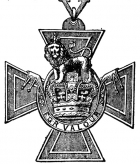
  • World War II medals at KS2 and Remembrance Day

    Article

    Where World War 2 took placeI wanted the year 5 children to understand World War II in a wider context than just the Home Front in Britain. After reading the lesson on

    Click to view
  • World War II: breathing life into a local history enquiry

    Article

    Debbie Doolan explores how the locality of her school, Worle School in North Somerset, was impacted by a significant event, World War II. What is particularly pertinent is not just the range of activities in this topic but the way the theme was refined over a number of years. It...

    Click to view
  • ‘Come all ye fisher lassies’

    Article

    When considering either ‘changes within living memory’ for Key Stage 1 or ‘an aspect or theme to develop children’s chronological understanding post 1066’ for Key Stage 2 it is important to focus on a clear observable change. This enables children to draw effective comparisons with their own experiences. Washday, bread...

    Click to view
  • ‘Nothing was easy’: Viewing war, empire and racism through the eyes of a local Windrush migrant

    Article

    This article is free to everyone. For access to hundreds of other high-quality resources by primary history experts along with free or discounted CPD and membership of a thriving community of teachers and subject leaders, join the Historical Association today Andrew Wrenn shares examples from a fascinating project with which...

    Click to view