
Crime and Punishment
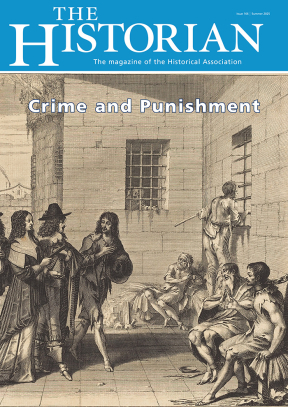
This edition of The Historian is free to access for all HA members. Find out about membership here. Contents 5 Editorial (Read article) 6 Coroners, communities, and the Crown: mapping death and justice in late medieval England – Stephanie Emma Brown (Read article - open access) 11 Mercurial justice: a...

The Hyde Park Barracks, in Sydney, has a layered history. Designed by Francis Greenway (a convict architect) it was built between 1817 and 1819 by convict labour. Over the next three decades an estimated 50,000 male convicts passed through – some stayed for years, others days or only hours before...
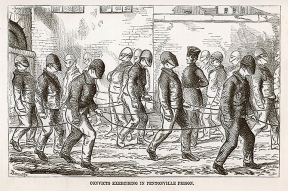
The most recent HA survey suggests that crime and punishment is a popular theme as a Key Stage 2 development study covering the period after 1066. It is easy to see why. Crime, criminals and punishment have a fascination for many and herein lies its appeal as well as a...
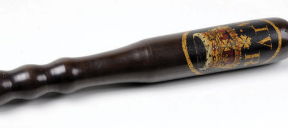
This painted wooden police truncheon dates from the reign of King William IV (1830–37). It is decorated with a crown and the letters WIVR, standing for King William IV. For some pupils, its function may be obvious, for others it may be mistaken for a rounders or baseball bat, or...
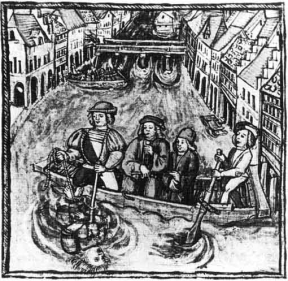
This podcast gives you an overview of the main changes and continuities in crime, punishment, trials and policing between the end of the Roman Empire and the beginning of the Early Modern Period. Rome to Early Modern Crime and Punishment>>>
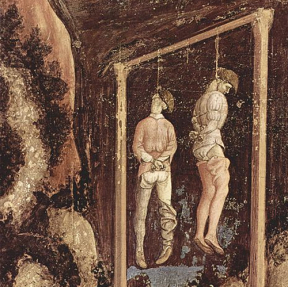
Between circa 1690 and 1820 the number of crimes punishable by the death penalty grew from 50 to over 200. This short podcast will help to explain why this trend developed.
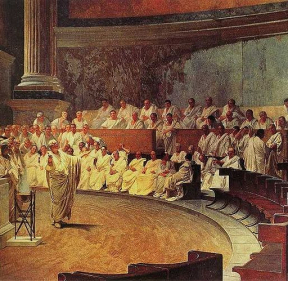
The history of crime and punishment across time spreads over 2500 years. It is really important that you have a way of making sense of this. In this podcast you will hear how the course has been divided into time periods, and learn about the main factors that affect crime,...
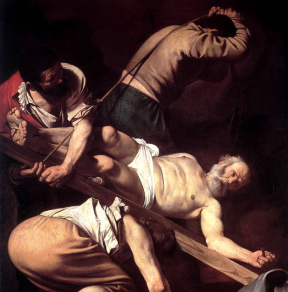
The Romans are known as forward thinkers who were well advanced for their time. But did they manage to conquer crime? Listen to this podcast to find out.