General

Foundation Stage planning is a very different approach to Key Stage 1 or 2. Children in Nursery and Reception classes often have ‘continuous provision” - a variety of activities which children are free to move around among and choose for themselves. Sometimes activities will be provided where the teacher or classroom support works with all the children at different points during the week. Read more

Sort by: Date (Newest first) | Title A-Z
Show: All | Articles | Podcasts | Multipage Articles
  • A History of the World: 100 objects that tell a story

    Article

    ‘A History of the World in 100 Objects' was the most creative, imaginative and dynamic development in primary History Education for thirty years. It ties in perfectly with and supports the government's draft NC for History...

    Click to view
  • A view from the KS1 classroom

    Article

    Introduction "So what did you do at school, today?" As a child, I remember being asked this question often by my good humoured, paternal grandfather, when he met me at the end of the day. On returning from the trenches in 1919, he had trained to become a teacher and...

    Click to view
  • A view from the KS1 classroom - investigating an artefact

    Article

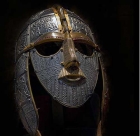
    Please note: this article pre-dates the 2014 National Curriculum and some content may be outdated. In the autumn of 2009 I saw some of the Anglo-Saxon Staffordshire Hoard on display at Birmingham Museum and Art Gallery, and stood in awe at the skills of the craftsmen. Reminded so vividly of the...

    Click to view
  • A view from the classroom

    Article

    The end of one school year and the beginning of a new one is always a time for reflection. If it coincides with moving classrooms and changing key stage too, as I am from KS1 to KS2, there is a good opportunity to sort out resources, and plan a fresh...

    Click to view
  • Animals who help us: teaching past and present in EYFS

    Article

    Remembrance Day is a useful time to explore with EYFS pupils the people who help us. But of course animals also play a part in human conflicts. This article explores animals who have helped us in wartime now and in the past. The article includes useful teaching ideas and picture...

    Click to view
  • Any place for a database in the teaching and learning of history at KS1?

    Article

    Please note: this article pre-dates the 2014 National Curriculum. Early in July of this year I was involved in a meeting at BECTA in which a lively discussion took place about whether ICT should be a requirement, or not, in the teaching of history at KS1. As those participating included representatives...

    Click to view
  • Archives in Primary History

    Article

    In this series of podcast Sue Temple, Senior Lecturer in Primary History at the University of Cumbria looks at the value of using archives in the primary history classroom:

    Click to view
  • Artefacts and art facts: images of Sir Francis Drake

    Article

    Please note: this article pre-dates the 2014 National Curriculum and some content and links may be outdated. Editorial note: This article reveals the power of the Internet in helping us all, adults and children, to bring portraits like Drake's to life. So, as you read, follow the links.

    Click to view
  • Artificial Intelligence (AI) in primary history – take CARE!

    Article

    Teaching has embraced many revolutionary changes before: the photocopier, the calculator, the internet, even the smartboard!  The Assistant Director-General of UNESCO (2023) though feels that these could pale into insignificance when compared to the rise of AI. This article looks at ways in which Generative AI might be used by...

    Click to view
  • Bring on the iPad revolution

    Article

    Please note: this article pre-dates the 2014 National Curriculum. The opening ceremony of the London 2012 Olympic games celebrated change whilst demonstrating the challenges revolutions have on the world. From green pastures to belching chimneystacks, from post-war Britain to the World Wide Internet and text messaging, the way society interacts is...

    Click to view
  • Case Study: Classroom archaeology. Sutton Hoo, or the mystery of the empty grave

    Article

    Please note: this article pre-dates the 2014 National Curriculum and some content may be outdated. ‘Would you like to go for a walk in the woods on the other side of the river? I asked my wife on a spring day in 1982. Happily she assented, and we drove off...

    Click to view
  • Case Study: Historical information and the local community

    Article

    Please note: this article pre-dates the 2014 National Curriculum. The ICT revolution A paper register, a pink-lined A4 mark book and a written school log book are surely historical artefacts? The transition from paper to digital technology continues, changing the world of the classroom teacher whose working life like mine,...

    Click to view
  • Creating a curriculum to help children in the early years understand the world in which the live: history and children in the early years

    Article

    Please note: this article pre-dates the current National Curriculum and some content may be outdated. In a recent article in Primary History Denis Hayes suggests that despite many lively ways of learning about the past, ‘history concepts will always be beyond both the experiential and conceptual reach of the youngest pupils’. Consequently...

    Click to view
  • Creativity in history

    Article

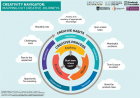
    Ask anyone for a list of creative subjects in schools and it is unlikely that history will be top of that list. However, over the last two-and-a-half years we have been working as part of a Creativity Collaborative of schools that seeks to foster creativity across the whole curriculum, including...

    Click to view
  • Creativity, Imagination, and Fun in Primary History

    Article

    Please note: this article pre-dates the current National Curriculum and some content, references and links are outdated. Tim Lomas describes a variety of learning activities that primary schools children enjoy.

    Click to view
  • Developing historical understanding across all areas of the EYFS framework

    Article

    Children in nursery and reception classes do not, of course, learn history. They meet the subject for the first time when they start Year 1. However, what children learn – and how they learn – in EYFS is important for preparing them to learn history. This goes beyond building knowledge...

    Click to view
  • Doing History with Objects

    Article

    IntroductionI was talking about ‘Doing History' with historical artefacts and objects with a young teacher when she closed the discussion with the statement ‘It's alright for you, you're old, your house is full of old things - how do I get them?' Alas - I had to agree with her,...

    Click to view
  • Doing history in the early years and foundation stage

    Article

    Please note: This article pre-dates the current National Curriculum and some content and references may be outdated. Introducing the youngest children to the concept of history can be a challenging prospect for some foundation stage practitioners, particularly if they feel their experience of the subject has been limited or their own memories of...

    Click to view
  • EYFS Medium Term Plan - Toys and Games

    Article

    This EYFS Medium Term Plan is based around the theme of Toys and Games. It is designed to give teachers and early years practitioners different starting points for learning about the past, across all areas of learning. The activities could be led with a whole class or as small group...

    Click to view
  • English Heritage's Heritage Explorer

    Article

    Please note: this article pre-dates the 2014 National Curriculum. [THINK BUBBLE, has burst, r.i.p... Diogenes, a curmudgeonly Ancient Greek cynic, has taken its place. The original Grumpy Old Man Diogenes typically looks back to a mythical golden age] Introduction Unfortunately I'm old enough to remember a time when primary school...

    Click to view