
Chronology

The requirement in National Curriculum rubric at Key Stage 2 for a study or theme in British history that extends pupils’ chronological knowledge beyond 1066 can appear intimidatingly broad at first sight, but Andrew Wrenn is here to help! Drawing on non-statutory examples provided in the National Curriculum – such...
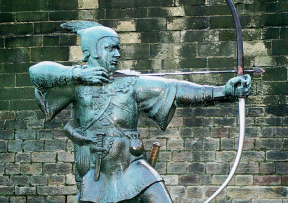
The stories of Robin Hood, which date from the Middle Ages, are integral to an understanding of British history. Although historians have not been able to identify a single historical figure that can be called Robin Hood, rooted in evidence, the myth or legend of Robin Hood has had a...
The chronological unit is new and challenging for primary schools and it is important to tackle it correctly. Whether you decide to take the option of a broad sweep of time as this unit does, or whether you decide to home in on a specific turning point (examples of these...

Through this unit, children can be introduced to the idea that books were extremely valuable in the past, the status symbol of the day. They will learn about how books were made in the past and that stories have been around long before there were books to put them in....
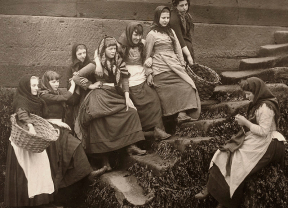
When considering either ‘changes within living memory’ for Key Stage 1 or ‘an aspect or theme to develop children’s chronological understanding post 1066’ for Key Stage 2 it is important to focus on a clear observable change. This enables children to draw effective comparisons with their own experiences. Washday, bread...
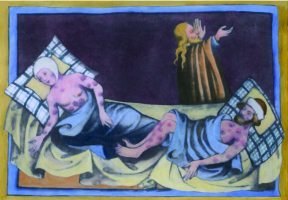
The story of the history of medicine is HUGE! In fact, it’s a story within story within a story… You only have to note the substantial amounts that have been written on the subject in the past, to realise that this is a story that could baffle and perplex even...
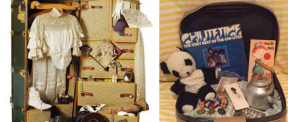
In times of tight budgets and with the new financial year on the horizon in April, now might be a good time to look at different ways to resource your history curriculum effectively. Alongside all the resources for teachers available from Primary History and the HA website, the following list...
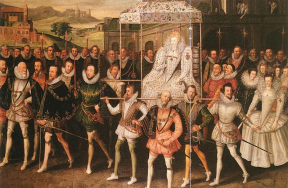
Although much of the Key Stage 2 history curriculum relates to the period before 1066, we are expected to include 'a study of an aspect or theme in British history that extends pupils’ chronological knowledge beyond 1066' (DfE, 2013,p.5) This raises two questions:a) How can a post-1066 topic be related...
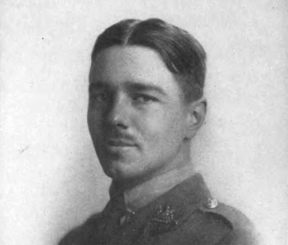
When was the last time there was no war anywhere on Earth? Estimates are that there have been 230 years of peace during the last 3,500 years. Of war fatalities over the past 500 years, it is estimated that three quarters occurred during the twentieth century - including roughly 16...
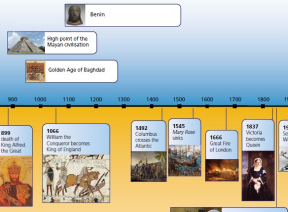
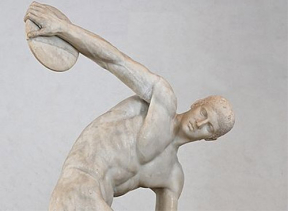
Please note: this article pre-dates the 2014 National Curriculum and some content may be outdated. Three curricular editions of Primary History, PH 50, Autumn 2008 , PH 53, Autumn 2009 and PH 57, Spring 2011 are directly relevant to teaching the Olympics. PH 50, Autumn 2008 History Education in the...