

The Tudors
A popular unit of study in Key Stage 2 has in the past been the Tudors. It is possible to continue to study the Tudors through either a local study or through a unit of study beyond 1066, although the emphasis now shifts to the Tudors representing a turning point. Given that this period saw the Reformation, 6 wives and the first female queen ruling in her own right, turning points are not difficult to find. In this section, you will find articles and resources to help you to plan to teach the Tudor period as a local study or turning point.
Sort by:
Date (Newest first) | Title A-Z
Show:
All |
Articles |
Podcasts |
Multipage Articles
-

A living timeline
ArticleClick to view -
Artificial intelligence’s ChatGPT program: a powerful tool for teaching 7- to 11-year-olds history
ArticleClick to view -
Britain and the wider world in Tudor times
ArticleClick to view -
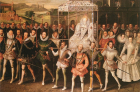
Elizabethan times: Just banquets and fun?
ArticleClick to view -
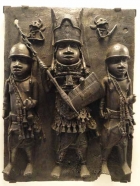
Enhancing an understanding of the 16th century through a comparative study of Benin
ArticleClick to view -

Exploring the spices of the east: how curry got to our table
ArticleClick to view -
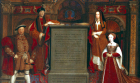
Film series: Tudor Royal Authority
ArticleClick to view -
Film: Domestic Politics and Tudor Royal Authority – discussion
ArticleClick to view -
Film: Edward VI and Tudor Royal Authority
ArticleClick to view -
Film: Elizabeth I and Tudor Royal Authority
ArticleClick to view -
Film: Foreign Relations and Tudor Royal Authority – discussion
ArticleClick to view -
Film: Henry VII and Tudor Royal Authority
ArticleClick to view -
Film: Henry VIII and Tudor Royal Authority
ArticleClick to view -
Film: Mary I and Tudor Royal Authority
ArticleClick to view -
Film: Personality and Tudor Royal Authority – discussion
ArticleClick to view -
Film: Religion and Tudor Royal Authority – discussion
ArticleClick to view -
Film: The significance of advisers – discussion
ArticleClick to view -
Grace O' Malley, alias Granuaile, pirate & politician, c. 1530-1603
ArticleClick to view -

Local significant individuals
Multipage ArticleClick to view -
Podcast Series: William I to Henry VII
Multipage ArticleClick to view