
Historian articles
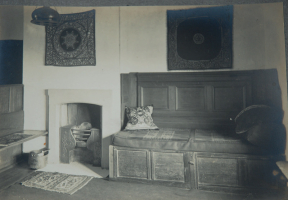
Our series ‘Real Lives’ seeks to put the story of the ordinary person into our great historical narrative. We are all part of the rich fabric of the communities in which we live and we are affected sto greater and lesser degrees by the big events that happen on a...
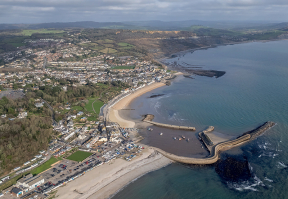
Explore Lyme Regis’ past as John Davis guides you on a historical trail through the iconic seaside town...
Kate Brooks’ interest in her family history led her to trace the life of her great grandfather, Joseph Lowe. His life story provides insights into 19th-century life, disease, orphanages, and child labour, but she also reflects on the ways in which the past can sometimes resonate with the present in...

In his work on the local history of his hometown in Panama, Miguel Elias Escobar Cornejo highlights the importance of understanding the geography of the historical sites we study. Here, he explains how a defensive route from the coast to the rugged mountain interior developed into one of the most...
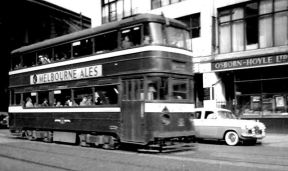
In an article based on his award-winning essay for the Young Historian competition, Christopher Barnett describes the development, decline and potential resurrection of West Yorkshire’s tram network...
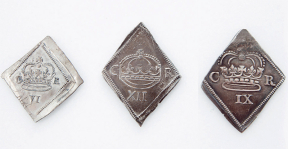
We asked some of Britain’s leading museums and archives what object in their collections best exemplifies the reign of Charles I and why. Join Alden Gregory, Jessica Evershed, Mike Webb, Denise Greany, Glyn Hughes and Kevin Winter as they discuss some prominent objects and places in their collections and the...
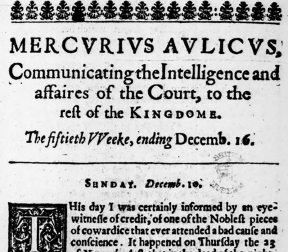
In this article, Chris R. Langley discusses the sources we use to reconstruct the life and times of Charles I. He explains how historians can use a wide range of sources in creative ways to understand different aspects of political, cultural and religious change in the mid-seventeenth century...
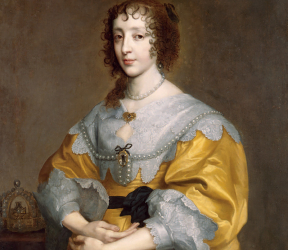
Aristocratic women at the court of Queen Henrietta Maria from 1625–69 were integral to court life and actively involved in royal service; in court family networks; in dispensing and seeking patronage; and, in political and religious politics. As Sara J. Wolfson shows, it is important to study women at the...
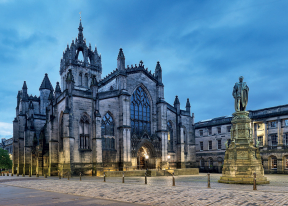
When Charles I acceded to the throne in 1625, he inherited a situation that appeared stable but which simmered beneath the surface. As Chris R. Langley explains, in seeking to maintain his Royal Supremacy, Charles I had to manage the very different, but interconnected, religious affairs of England, Ireland and...
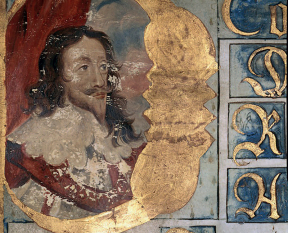
Charlotte Brownhill explores the nature of Charles I’s government. Rather than dismissing this as a disaster, she argues that there were many positive features of his government before the outbreak of the Wars of the Three Kingdoms and suggests that we should consider the difficulties caused by the complexities of...
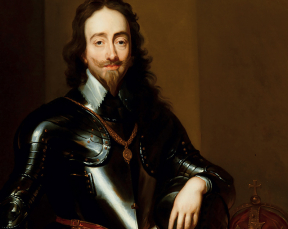
The reputation of kings, as with all political figures, is problematical. It would be surprising if it were any other way. Yet, the monarchy of Charles I remains as controversial as ever. In this article, Michael Questier looks at two diametrically opposed contemporary accounts of monarchical authority in the Stuart...
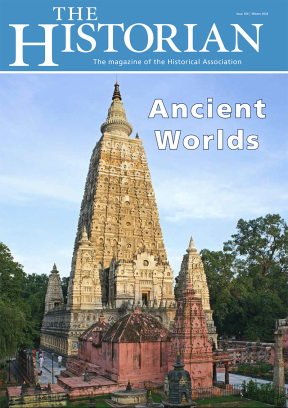
Read The Historian 164: Ancient Worlds A couple of generations ago an edition of a history publication on the theme of ancient worlds would probably just have included features on the Greeks and the Romans. It is now widely accepted that ancient history should have a broader focus, embracing developments...
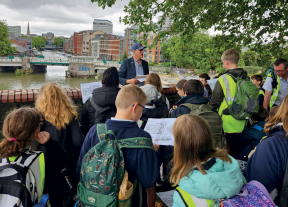
It is always fascinating to find out about some of the many varied activities being undertaken by local branches of the Historical Association. Here Mary Feerick and Rob Pritchard relate the successes of the Bristol branch, which was only restarted in 2017. The branch has managed to engage local people...
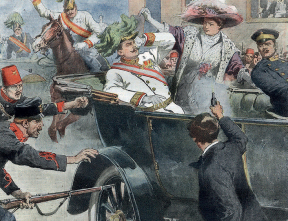
Historians love making analogies to the present day, and in 2014, during the 100th anniversary of the Sarajevo assassination and outbreak of the First World War, many were tempted to see parallels to the 9/11 terrorist attacks. But not only is this analogy mistaken, it conceals the blundering true nature...
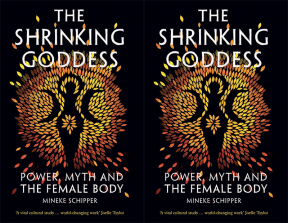
Rosalind Crone from The Historian talks to Mineke Schipper about her new book, The Shrinking Goddess, a re-examination of the rise of patriarchy through myths, proverbs, stories, images and understandings of the female body.
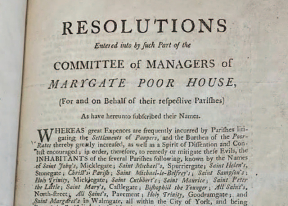
In this regular feature called Doing History, history enthusiasts describe a piece of research they have undertaken and how it sheds light on aspects of local and national history. Here Steve Barrett shows how his exploration of archives in York provided interesting insights into the controversial issue of poor relief,...
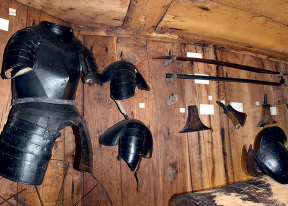
In the Tudor and early Stuart period most towns and villages had a legal obligation to store arms and armour in case of a national emergency. Here Shona Rutherford-Edge tells the story of the parish armoury in the Suffolk village of Mendlesham, which was kept in the local church and...
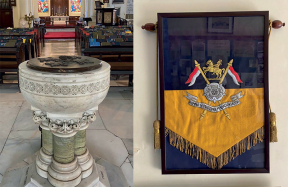
The story of the British in India is a complex one and further nuances are provided by the existence of several ‘Eurasians’ who had both British and Indian heritage. Here Arunansh Goswami reflects on the life and achievements of one of these, James Skinner, who had a Scottish father and...
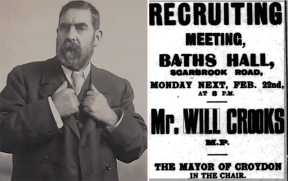
‘Your Country Needs You’ and other posters are still remembered today as a prominent vehicle by which men were encouraged to fight in the First World War. Virtually absent from the literature, however, is analysis of the impact of thousands of recruitment meetings and their speakers. Robert Bullard explores the...

The Luftwaffe had been a real achievement of Prussian military culture, but under poor Nazi leadership it degenerated into an ineffective fighting force, writes Stephen Graham.