
Visits
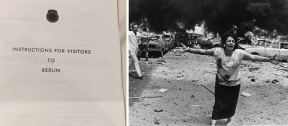
Eliza West and Emily Toettcher explain how a partnership between school and museum has evolved into a four-year enquiry into local history. The article focuses on the successful introduction of an oral history element in the GCSE syllabus and how the investigation into ‘remembered’ history helps students to appreciate the...
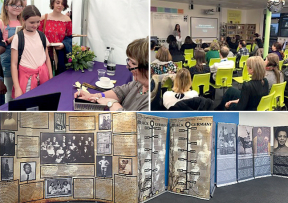
In this article, Jess Angell shows how her department seeks to make extra-curricular activities accessible to all. There is a strong focus on involving professional historians, since so many students seem not to understand who historians are, or what they do. But the audience is wider than just history students:...
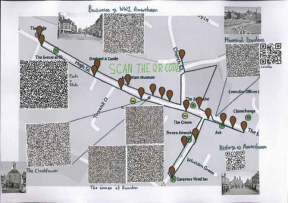
Why ‘do’ local history? The new (grades 9–1) GCSE specifications place a lot of importance on the local environment. The rationale for this is to get students to situate a site in its historical context, and to examine the relationship between local and national developments. Initially this change was the...
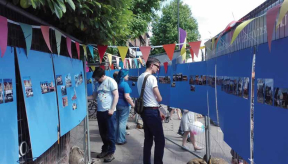
Inspired by the claim that local history can be taught effectively ‘Any time, any place, anywhere’, Katharine Burn and Jason Todd took up the challenge of planning Key Stage 3 enquiries related to an unusual and diverse, but frequently neglected and often despised, corner of Oxford. They sought not merely...
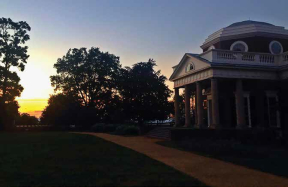
Many previous contributors to Teaching History have demonstrated the power of site visits to stimulate young people’s engagement and enrich their understanding of history. It is usually assumed, however, that the young people themselves will have the opportunity to visit the site in question – an assumption that cannot always...

Across the globe, the centenary of World War I has prompted the creation of new exhibitions devoted to its commemoration. In New Zealand, Michael Harcourt wanted to explore whether teaching strategies intended to help students to engage critically with such exhibitions would have any lasting impact on the young people’s...
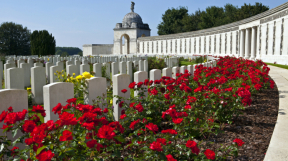
A year after the end of the First World War, George V stated: "I believe that my people in every part of the Empire fervently wish to perpetuate the memory of the Great Deliverance and those who laid down their lives to achieve it." From that moment, the idea of...

Connecting Classrooms: bringing together Bradford and Peshawar, primary and secondary schools, history and English In this article, Dianne Excell shares her experience of a crossphase, collaborative project funded by the British Council that brought together teachers and pupils from three schools in Bradford and five schools in Peshawar, Pakistan. Although...
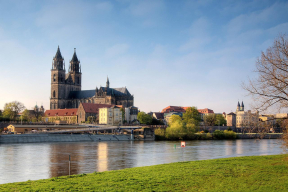
Magdeburg (‘Magdeburg überascht') is situated on the banks of the River Elbe in the state of Sachsen-Anhalt, Germany. First mentioned by Charlemagne in 805, Magdeburgtoday attracts much attention by being a major historic venue on the Straße der Romanik or Romanesque Route that has opened up a large number of...
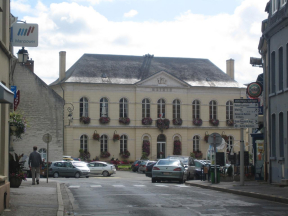
John Painter explores a strategically-important French boundary town, over which neighbouring powers have competed for over 1,200 years. Montreuil in Picardy is one of the most interesting small towns in northern France and a good base for visiting the battlefields of Crécy and Agincourt as well as the Somme Western...
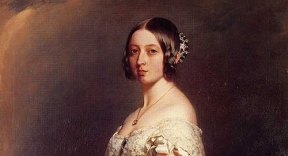
What do 14 Year 7 students, an art teacher, a history teacher and the Victoria and Albert Museum have in common? They are all part of the ‘Stronger Together' Museum Champion project run by The Langley Academy and the River & Rowing Museum and supported by Arts Council England, designed...
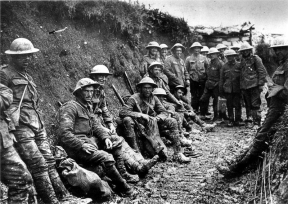
Year 9 think they know a lot about the First World War. After all, they read Michael Morpurgo's novel Private Peaceful in their English lessons all the way back in Year 7, they've seen Blackadder so many times they can recite it, and in the centenary year of the war's...
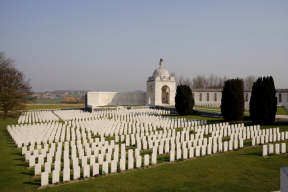
My Favourite History Place: Tyne Cot Cemetery, near Ypres, Belgium We can truly say that the whole circuit of the Earth is girdled with the graves of our dead. In the course of my pilgrimage, I have many times asked myself whether there can be more potent advocates of peace...
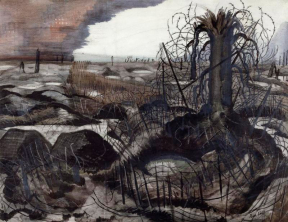
A world turned molten: helping Year 9 to explore the cultural legacies of the First World War Rachel Foster shows how her own study of cultural history led to a new dimension in her planning. She wanted to show her students not only that historians are interested in many different...
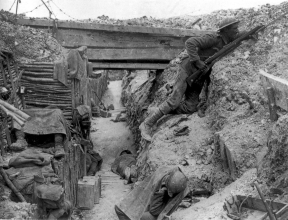
Remembering the First World War: Using a battlefield tour of the Western Front to help pupils take a more critical approach to what they encounter The first year of the government's First World War Centenary Battlefield Tours Programme is now under way, allowing increasing numbers of students from across Britain...
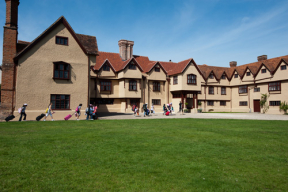
Ufton Court, an Elizabethan Grade 1 Manor House between Reading and Newbury, is an inspirational centre for schools. The Ufton team lead residential and day visits for KS2 that aim to give children a passion for history. Find out more: https://www.uftoncourt.org.uk/
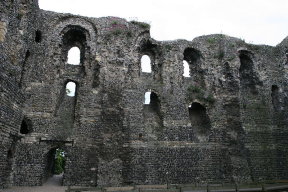
One year ago (2011), the south eastern branch of English Heritage and the Historical Association came together to see what we could do better in partnership. The outcome was the Local Heritage Partnership Project. The vision was to work together to provide access to and inspiration to carry out local...
Richard Kerridge and Sacha Cinnamond explain how their history department built a culture of international dialogue and collaboration that enriches their students' historical learning. Videoconferencing is at the centre of these activities. Their story begins with an initial, moving encounter with the First World War battlefields that soon turned into...
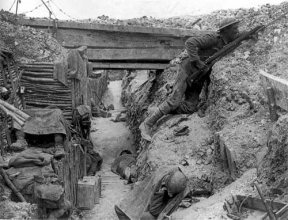
Having already reflected on ways of improving their students' understanding of historical diversity at Key Stage 3, Joanne Philpott and Daniel Guiney set themselves the challenge of extending this to post-14 students by means of fieldwork activities at First World War battlefields sites. In addition, they wanted to link the...
This is a momentous occasion in the history of designation in England and we hope you find the List and the online application form a useful resource. The National Heritage List for England is an online database which brings together information on all nationally designated heritage assets in one place...