
Europe 1509-1745
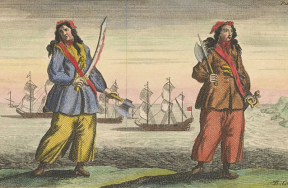
The topic of early modern global piracy has attracted increasing scholarly attention in recent decades, partly due to its own intrinsic interest and, it must be said, its entertainment value. However, historians have also explored its connections with broader themes such as empire and colonisation, social history, global economic networks,...
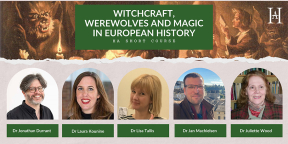
This self-guided short course provides an introduction to European witchcraft history from the fifteenth century to the present. Using a range of primary sources, the course explores important themes and questions relating to witchcraft history, examining how witchcraft has been imagined and understood at different times and in different places,...
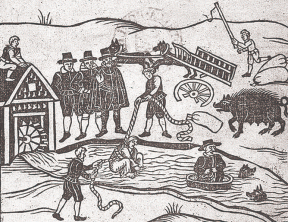
In this article, Dr Jonathan Durrant (Principal Lecturer in History, University of South Wales) argues that we know no more now than we did in the late 1980s about what witchcraft was as men and women of the early sixteenth century understood it. Dr Durrant looks at evidence from Henry...
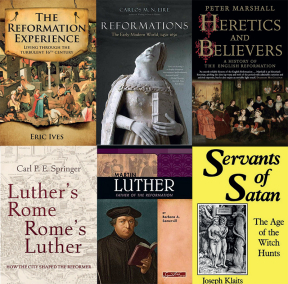
Sarah Jackson-Buckley and Jessie Phillips found themselves perennially dissatisfied with the outcomes of their teaching of the Protestant Reformation. Determined that students should take away a sense of the momentous political and social consequences of the Reformation, they turned to historical scholarship, and to the work of other history teachers...
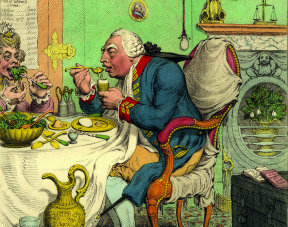
As ardent advocates of eighteenth-century history, Rhian Fender and Stephen Ragdale were determined to ensure that the period found a secure place within their department’s Key Stage 3 curriculum. Given the extraordinary range of contrasts that epitomise the long eighteenth century, and only ten lessons within which to explore them,...
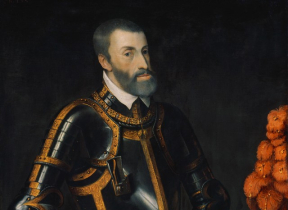
An HA Podcasted History of the Spanish Golden Age featuring Dr Glyn Redworth of Manchester University and Dr Francois Soyer of the University of Southampton.
In this pamphlet, James Anderson Winn, author of a recent biography of Queen Anne, recommends a new approach to historians writing about this successful and popular queen. Female, overweight, and reticent, Anne has long been underestimated. Her letters, however, show how well she understood the motives of her ministers, and...
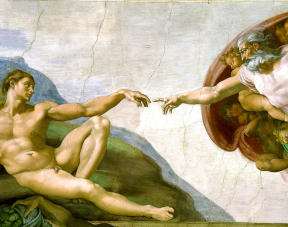
In this podcast Dr Gabriele Neher of the University of Nottingham provides an introduction to the Renaissance.
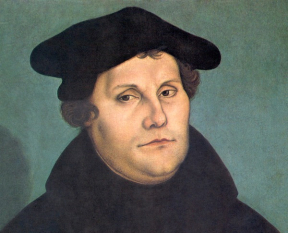
An HA Podcasted History of the Reformation featuring Professor Peter Marshall, Dr Henry Cohn, Dr Penny Robert and Professor Beat Kümin of Warwick University.

In this podcast Dr Anne Murphy of the University of Hertfordshire looks at the early origins of the European financial markets from the Italian Renaissance to the present day. Dr Murphy also provides a useful introduction to finance, the stock market and the bond market.
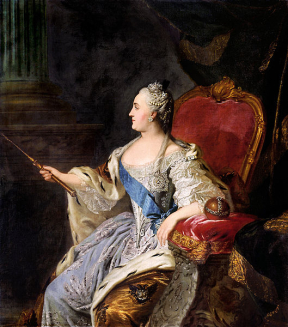
This pamphlet covers the often confused concept of Enlightened Despotism (also known as Enlightened Absolutism). The essential nature of Enlightened Despotism and its origin are discussed, as well as the development and character of Enlightened Despotism in various governments, followed by a judgement of its' achievements and significance. Catherine the...
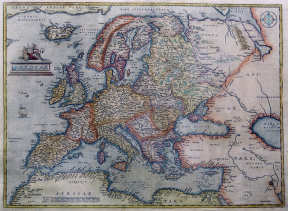
Lecture from the 2012 HA Annual Conference Frank Tallett: Fellow in History at the University of Reading and former Head of its School of Humanities Until recently, military history has largely been concerned with ‘badges and buttons', an approach that stressed tactics, strategy and weapons. The so-called New Military History...
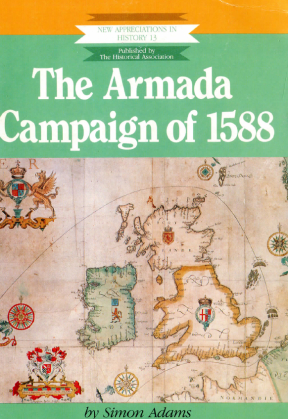
Between 1585 and 1588 a state of undeclared war existed between England and Spain. During the course of those years, Philip II devised a plan for the 'Enterprise of England'. It was probably the most ambitious military operation of the sixteenth century: a massive invasion to be mounted jointly by...
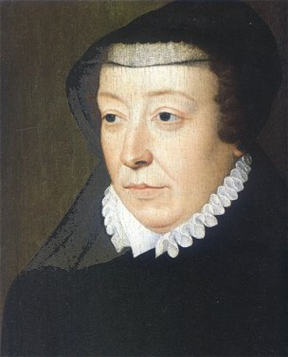
Catherine de Medici is one of the most controversial figures of the early modern period. Her name has come to symbolize her age and both have long retained an exceptionally powerful emotive force. Consequently they have attracted many writers primarily seeking to apportion blame for the sombre events of the...
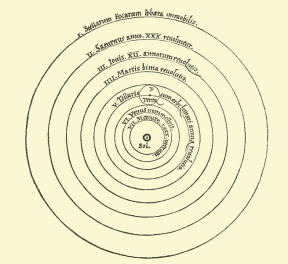
During the past four centuries, the processes of nature have come to be viewed in a new light through the progressive acquisition of the systematized, verifiable knowledge that we call science. The associated advances in technology have profoundly affected the circumstances of our daily lives, and have revolutionised the mutual...
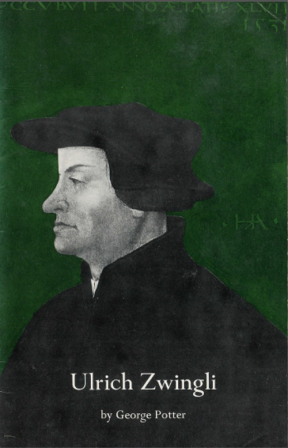
The Reformation of the sixteenth century has many sides, and not the least significant of these is the contribution from Switzerland. How under the leadership of Zwingli, Zurich, Berne, Basle and St Gall broke away from Rome, how this led to civil war, how and why agreement with the German...
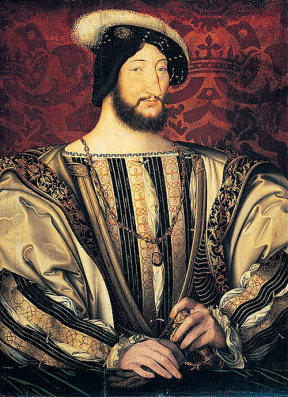
Francis I of France reign lasted for more than thirty years and coincided with movements as significant as the Renaissance and the Reformation. Text-books are apt to gloss over the domestic history of France before the outbreak of the Wars of Religion and convey the impression that Francis was more...
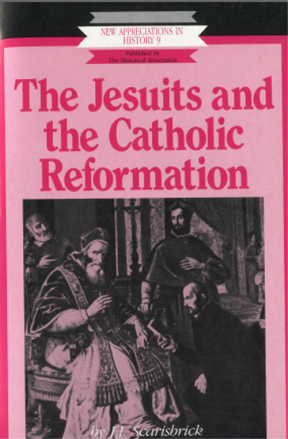
The society of Jesus, formally approved by Pope Paul III in his bull Regimini Militantis Ecclesiae of September 1540, was one of many new religious orders of men and women - such as Barnabites, Capuchins, Oratorians, Piarists and Vincentians among the male orders, and Daughters and Sisters of Charity, Ursulines,...
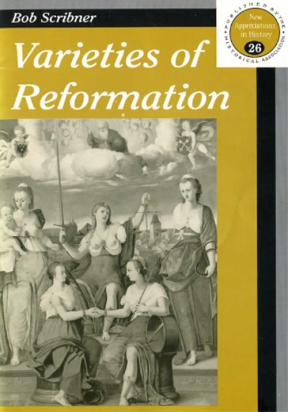
The most significant change to have occurred in our view of the Reformation in recent years is the growing acknowledgement of historians that it was no unitary phenomenon whose triumph was assured and inevitable. What we refer to in short-hand as ‘the' Reformation was a many-sided affair which began with...
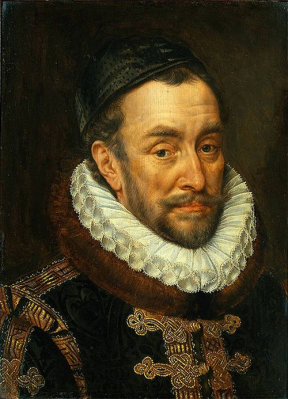
The Revolt of the Netherlands was the most successful of all uprisings in early modern Europe and had far reaching effects on the course of Dutch and European history. In accounting for its outcome recent research has emphasized the significance of impersonal forces of political, economic or religious nature rather...